
In mechanical systems large and small, bearings play an essential role — reducing friction, supporting loads, and enabling smooth rotational motion. Among the various types of bearings, pulley bearings are especially important because they ensure pulleys operate quietly and efficiently and can significantly extend the lifespan of your equipment.
Whether you’re a maintenance engineer, machinery buyer, or DIY enthusiast, this guide will help you fully understand pulley bearings — from basic function and types to common failure symptoms and how to choose the right size for your application.
What is a Pulley Bearing?

A pulley bearing is a type of rolling-element bearing designed specifically for use in conveyor systems, timing pulleys, flat pulleys, and other belt or chain-driven rotational applications. It is the component that allows a pulley wheel to spin smoothly around a stationary shaft while handling radial and axial loads.
How Pulley Bearings Work
Pulley bearings consist of inner and outer races, rolling elements (balls or rollers), and a cage to maintain spacing. When the pulley turns, the rotating motion travels through the outer race to the inner race, with rolling elements minimizing friction in between.
Because pulley systems often run at high speeds under continuous load, the bearing must handle:
Radial Loads — force perpendicular to shaft axis
Axial Loads — force parallel to shaft axis
Rotational Speed — high speeds without overheating
Durability — resistance to wear in harsh environments
In most cases, pulley bearings are sealed or shielded to protect from dust, moisture, and debris that may contaminate the interior.
What Are the Types of Pulley Bearings?
Pulley bearings are not one-size-fits-all. Depending on the application, speed, load, and environmental conditions, different types are used. Below are the most commonly used pulley bearing types in industry today:
1. Deep Groove Ball Bearings
Best For: General applications, high speed, light-to-moderate loads
Deep groove ball bearings are the most common bearing type used in pulleys. They offer:
Low friction
High RPM capability
Simple design
Cost efficiency
Typical Uses:
Fan pulleys, conveyor idlers, timing pulley systems, agricultural machinery
Advantages:
Excellent for combined radial and axial loading
Good alignment tolerance
Sealed designs reduce maintenance
2. Angular Contact Ball Bearings
Best For: Higher thrust loads, precision motion
Angular contact bearings are designed to handle greater axial loads compared with standard deep groove bearings due to the contact angle between balls and races.
Typical Uses:
Precision servo systems, high-speed drives, tensioner pulleys
Advantages:
Increased thrust support
Better rigidity
Suitable for high-precision pulleys
3. Roller Bearings
Subtypes:
Cylindrical Roller Bearings
Spherical Roller Bearings
Best For: Heavy radial loads, applications with misalignment
Roller bearings use cylindrical rollers rather than balls, increasing contact surface area for heavier loads.
Typical Uses:
Industrial conveyors, mining equipment, heavy machinery
Advantages:
High load capacity
Better stress distribution
Can handle shock loading
4. Tapered Roller Bearings
Best For: Combined radial and thrust loads
These bearings are designed with tapered inner and outer ring raceways — perfect for applications where axial forces are significant.
Typical Uses:
Automotive pulleys, large industrial drives
Advantages:
Excellent for combined loads
High rigidity and durability
5. Sealed & Shielded Bearings
Although not a separate type, bearings used in pulley systems often come with:
Seals (2RS) — rubber seals keep contaminants out and lubricant in
Shields (ZZ) — metal shields protect against larger contaminants
Sealed bearings require less maintenance and are ideal for dirty or dusty environments.
Pulley Bearing Size Chart (Popular Uses)
Choosing the correct bearing size is one of the most critical aspects of pulley design and replacement. Bearings are sized by three measurements:
- Bore Diameter (d) — inside diameter, shaft size
- Outer Diameter (D) — must match pulley housing
- Width (B) — bearing thickness
Below is a general size reference chart for common pulley applications. (Make sure to verify actual values based on your machine’s design and load requirements.)
| Application | Typical Bearing Type | Bore (mm) | Outer Dia (mm) | Width (mm) |
| Small fan pulley | Deep groove ball | 8 | 22 | 7 |
| 1st stage conveyor | Deep groove ball | 20 | 47 | 14 |
| Light agricultural belt | Sealed ball | 25 | 52 | 15 |
| Heavy conveyor idler | Cylindrical roller | 30 | 72 | 19 |
| Tensioner pulley | Angular contact | 20 | 42 | 12 |
| Automotive timing pulley | Tapered roller | 15 | 35 | 11 |
| Window blind mount | Miniature ball | 5 | 14 | 5 |
| Small blower pulley | Sealed deep groove | 10 | 30 | 9 |
Note: This chart is a guide only. Actual selection should be based on load, speed, shaft size, and manufacturer recommendations.
What Happens When a Pulley Bearing Goes Bad?
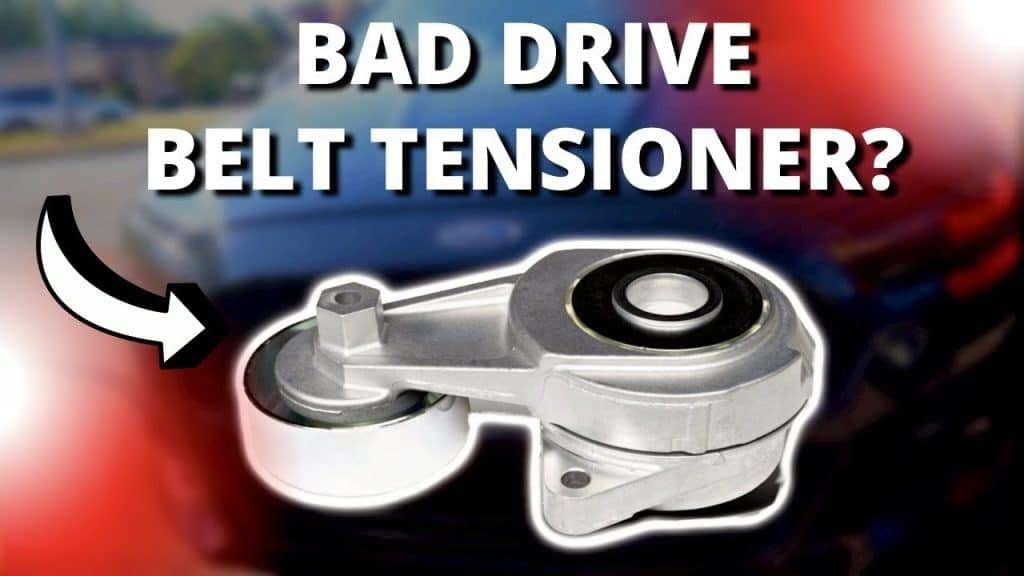
Like all mechanical parts, pulley bearings have a limited service life. If they wear out or fail, the consequences can range from minor performance issues to complete machinery breakdown.
Common Symptoms of a Bad Pulley Bearing
Identifying a failing pulley bearing early can prevent costly repairs or production downtime.
1. Unusual Noise
One of the first signs of bearing failure is noise:
Grinding — metal-on-metal contact
Squealing — inadequate lubrication
Clunking — severe internal damage
If the pulley starts making noise especially under load, suspect the bearing.
2. Excessive Vibration
Bad bearings often cause vibration:
Irregular vibration at specific rpm
“Wobble” felt during operation
This can damage belts, shafts, and other components.
3. Heat Buildup
Overheating is a classic sign of friction inside a failing bearing:
Pulley feels hotter than normal
Heat discoloration around housing
This may indicate loss of lubrication or internal wear.
4. Belt Wear or Misalignment
Bearing failure often translates to poor belt tracking:
Belt slips off
Premature belt wear
Uneven belt tension
5. Reduced Performance & Efficiency
Symptoms include:
Slower system speed
Higher energy consumption
Frequent downtime
These issues reduce productivity and increase operating costs.
Causes of Pulley Bearing Failure
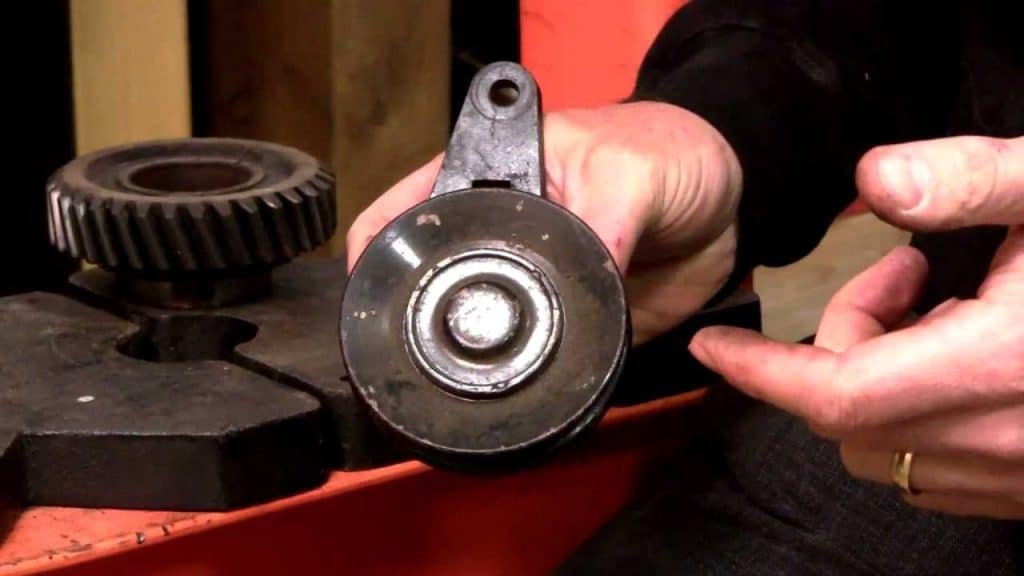
Understanding what causes bearings to fail helps extend their lifespan:
1. Poor Lubrication
Without proper grease or oil, bearings grind and overheat.
2. Contamination
Dust, moisture, and debris can enter the bearing and accelerate wear.
3. Misalignment
If the pulley shaft isn’t perfectly aligned, additional stress shortens bearing life.
4. Excess Load
Operating beyond design load leads to premature fatigue.
5. Improper Installation
Forcing a bearing onto a shaft or using incorrect tools causes damage.
How to Choose the Right Pulley Bearing for Your Application
Selecting the ideal bearing type and size is crucial to long-term performance, reliability, and cost efficiency.
Here’s a simple step-by-step process:
Step 1: Determine Load Requirements
Ask yourself:
Is the load mostly radial, axial, or both?
Is it a light or heavy load?
Will loads fluctuate or shock?
Step 2: Measure Speed
Higher speed favors ball bearings, while slower and heavier loads favor roller bearings.
Step 3: Environment Matters
Dusty environments → sealed bearings
Moist conditions → corrosion-resistant materials
High temperatures → special high-temp lubrication
Step 4: Shaft and Housing Dimensions
Your bearing needs to fit perfectly on the shaft and inside the housing. Misfit causes premature failure.
Step 5: Material & Precision
For demanding industrial applications, choose:
Chrome steel (standard)
Stainless steel (corrosion resistance)
Ceramic bearings (high speed and extreme conditions)
Precision ratings (ABEC class) matter for high performance.
Step 6: Choose from a Trusted Supplier
Not all bearings are created equal. A reputable manufacturer like BYWB Bearing ensures:
High-quality materials
Precision manufacturing
Available seals and shields
Wide range of sizes
Benefits of High-Quality Pulley Bearings
Installing premium pulley bearings offers real, measurable advantages:
✔ Reduced Friction & Energy Loss
High-precision bearings cut energy consumption and heat buildup.
✔ Longer Service Life
Better materials and tighter tolerances yield longer service life.
✔ Less Downtime
Reduced failure risk equals fewer breakdowns and maintenance costs.
✔ Smoother Operation
Reduced vibration and noise improve system reliability and user experience.
✔ Wide Range of Options
Bearing suppliers like BYWB offer custom solutions to suit specific needs.
Maintenance Best Practices
To maximize bearing life:
Use Proper Lubrication
Re-grease bearings at intervals recommended by equipment manufacturer.
Keep It Clean
Seal bearings and protect housing from dirt, dust, water.
Monitor Temperature
Overheating is a leading failure indicator.
Align Shafts Correctly
Even small misalignments cause premature failure.
Replace at First Sign of Trouble
Don’t wait for complete failure — early replacement saves money.
Pulley Bearing Applications
Pulley bearings are used across industries:
| Industry | Example Applications |
| Automotive | Timing pulleys, belt tensioners |
| Manufacturing | Conveyor systems, automated lines |
| Agriculture | Belt drives, crop equipment |
| HVAC | Fans and blowers |
| Material Handling | Idler rollers, chain systems |
| Heavy Industry | Mining, construction equipment |
Conclusion
Pulley bearings are a fundamental yet often overlooked component in mechanical systems. Understanding what they are, how they work, and how to choose the right type and size ensures optimal performance, safety, and durability. From reducing friction and vibration to extending machine life, the right pulley bearing can make all the difference.
If you’re looking for reliable, precision pulley bearings — whether deep groove, angular contact, or specialized sealed solutions — BYWB Bearing offers high-quality products backed by industry-leading expertise.
For more detailed bearing solutions and product specifications, explore the BYWB Bearing catalog at bywbbearing.com.
