
Miniature ball bearings are fundamental mechanical components that enable smooth motion and reduce friction in countless devices. Among these, the R188 bearing has risen in popularity — especially within the YoYo community, precision instruments, and compact machinery. In this comprehensive guide, we’ll explore what an R188 bearing is, its dimensions, material selection, applications (with a special focus on YoYo), a size chart for R series bearings, and how to choose the right one for your needs.
What is a R188 Bearing?
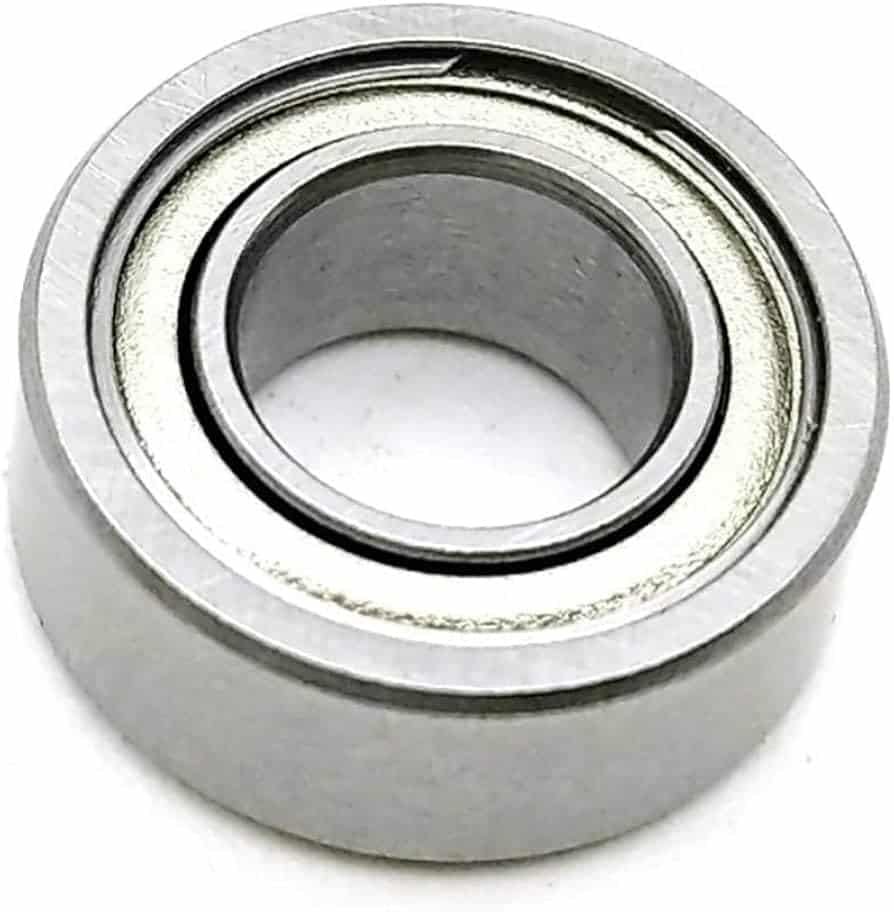
An R188 bearing is a standard inch-size miniature deep groove ball bearing that combines precision engineering with compact dimensions. Its design allows for smooth rotational movement under radial and limited axial loads, making it ideal for small devices where precision and stability matter.
In technical terms, the R188 designation refers to the bearing’s dimensions and configuration:
“R” stands for inch-series bearings
“188” indicates specific bore, outer diameter, and width in the standard series
Compared to metric bearings, inch sizes like R188 are popular in North American markets and devices manufactured with imperial specifications. These bearings are often preferred in applications where seamless motion, higher RPM (rotations per minute), and longevity are essential.
Despite its small size, the R188 bearing delivers reliable performance — from lightweight toys like YoYos to industrial tools requiring compact, precision components.
What Size is the R188 Bearing?
One of the most common questions is: “What are the exact measurements of the R188 bearing?” The standard dimensions of an R188 are as follows:
Bore diameter (d): 1/8 inch (0.125″ or 3.175 mm)
Outer diameter (D): 1/4 inch (0.250″ or 6.35 mm)
Width (B): 3/32 inch (0.09375″ or 2.381 mm)
These inch-series dimensions make the R188 exceptionally compact — ideal for miniature applications where space is limited but precision is non-negotiable.
In metric terms, rounded equivalents are:
Bore ≈ 3.175 mm
Outer diameter ≈ 6.35 mm
Width ≈ 2.38 mm
This predictable size makes the R188 compatible with many off-the-shelf components and standardized parts, reducing design complexity for engineers and hobbyists alike.
How to Choose R188 Bearing Material
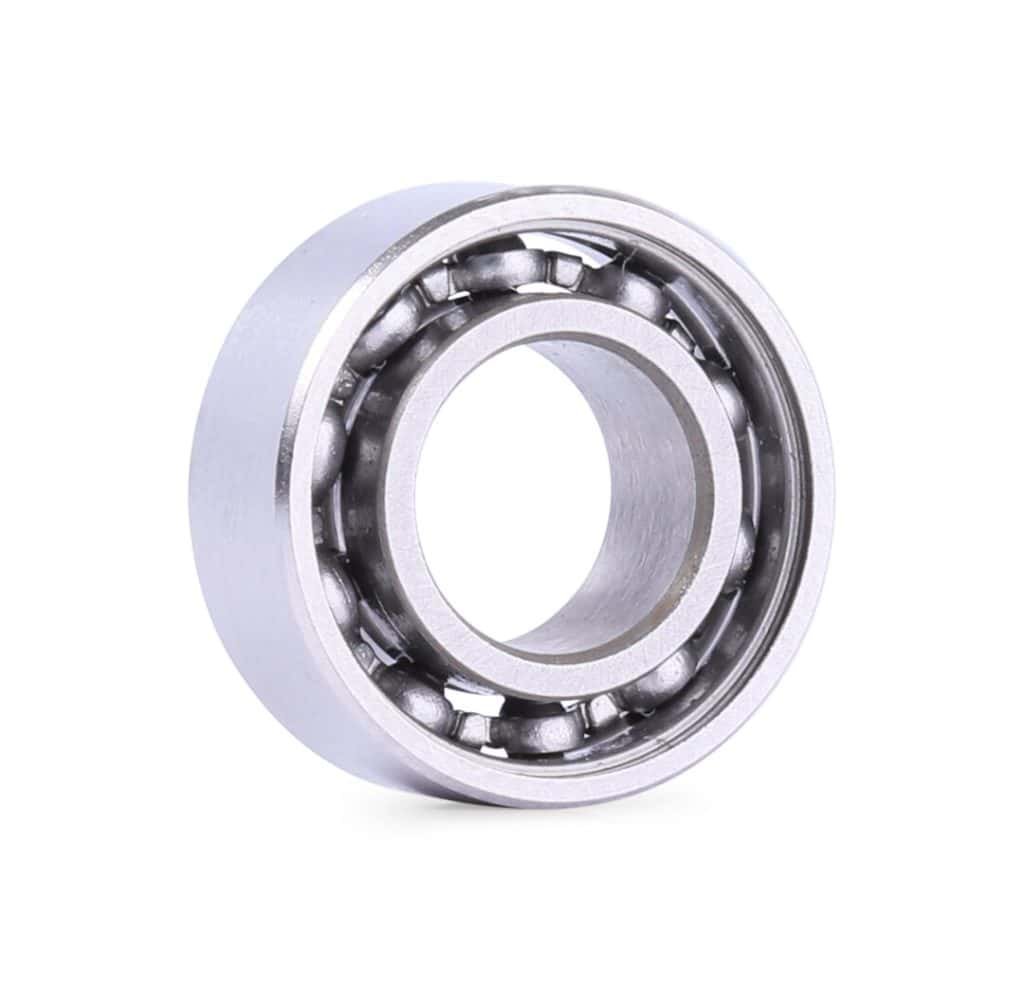
Choosing the right material for your R188 bearing is vital for performance, durability, and cost-effectiveness. The material impacts:
Friction
Wear resistance
Corrosion resistance
Load capacity
Speed limitations
Temperature tolerance
Here’s a breakdown of the most common R188 bearing materials:
1. Chrome Steel (SAE 52100)
Best for: most general use applications.
Features:
High hardness and strength
Excellent wear resistance
Cost-effective
Suitable for moderate to high speeds
Limitations:
Susceptible to corrosion if not properly lubricated
Why choose it: If you need a balance of performance and affordability — whether for toys, tools, or industrial assemblies — chrome steel is the industry workhorse.
2. Stainless Steel (440C / 304 Series)
Best for: environments exposed to moisture, humidity, or light chemicals.
Features:
Excellent corrosion resistance
Good mechanical properties
Suitable for outdoor or moisture-exposed applications
Limitations:
Slightly lower load capacity compared to chrome steel
Higher cost
Why choose it: If your application faces potential rust or corrosion — such as marine environments, outdoor tools, or moist workshops — stainless steel can extend bearing life.
3. Ceramic Bearings (Full Ceramic or Hybrid)
Best for: high-speed and precision demanding applications like premium YoYos
Types:
Full Ceramic (Si3N4) — balls and races made of ceramic
Hybrid — ceramic balls with steel races
Features:
Ultra-lightweight
Higher stiffness and temperature tolerance
Very low friction
Excellent corrosion resistance
Excellent for high RPM use
Limitations:
Higher cost
Can be brittle under shock loading
Why choose it: Ceramic bearings excel in performance environments — especially where minimal friction and high spin life are desired, like YoYo competition play or precision machinery.
4. Specialty Coated Bearings
Examples:
Teflon
Black oxide
Nickel plating
Features:
Enhanced corrosion protection
Reduced surface friction
Aesthetic surface finish
Limitations:
Coating wear over time
Performance depends on coating quality
Why choose it: When appearance, extra corrosion resistance, or smoother break-in performance matters, coated bearings can offer incremental advantages.
R188 Bearing Application (Especially for YoYo)
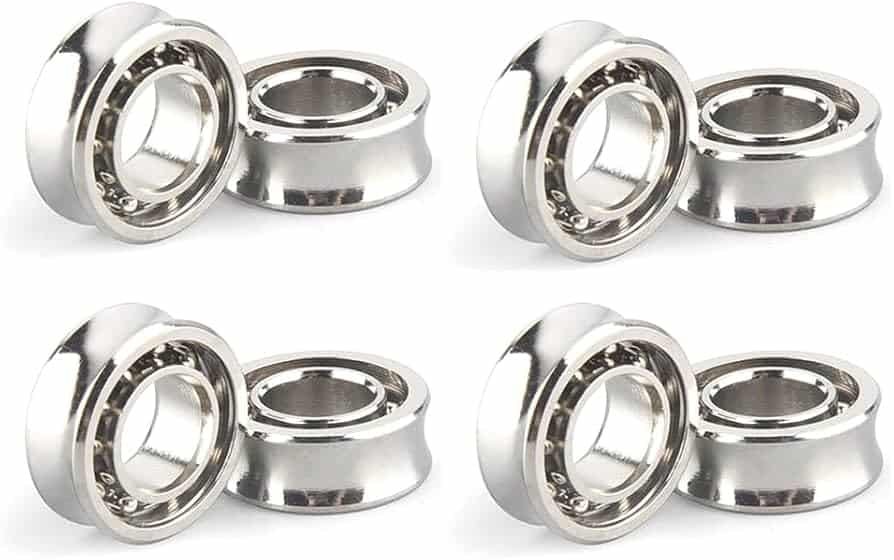
The R188 bearing is used in a wide range of applications — from miniature motors to small machinery. However, one of the most popular applications today is within YoYo designs.
Why R188 Bearings are Popular in YoYos
In the YoYo world, the bearing is arguably the most critical component, influencing speed, spin duration, stability, and trick performance. Here’s why R188 bearings are widely adopted among YoYo builders and players:
1. Compact Size for Responsive Play
The small size of the R188 allows it to fit within narrow YoYo designs without adding unnecessary weight or interfering with response systems.
2. High RPM Capability
YoYo tricks often require rapid spin speeds. R188 bearings, particularly in ceramic variants, deliver high RPM performance with minimal heat and friction.
3. Smooth Feel with Longer Sleep Times
Good bearings promote longer “sleep” — when the YoYo spins at the end of the string. Ceramic or precision steel R188 bearings can significantly enhance sleep time, enabling advanced tricks.
4. Easy to Clean & Maintain
YoYo players often clean and maintain bearings to achieve desired play characteristics. The simple design of the R188 makes maintenance straightforward for hobbyists.
Typical YoYo Play Styles that Use R188 Bearings
1A — String Tricks
R188 bearings provide stable, long spin times for complex string trick combos.
3A / 5A — Multiple YoYos or Off-String
Precision and consistent spin help with coordinated motions requiring balance.
Competition YoYoing
Many advanced players choose ceramic R188 bearings for minimal friction and peak performance.
Other Applications Beyond YoYos
While YoYos might be the trending use case, R188 bearings are also found in:
Small electric motors
Precision instruments
Robotics
Medical equipment
Hobby devices (RC cars, drones)
Mechatronics
Sensors and actuators
In every case, the goal remains the same — reduce friction, increase precision, and sustain smooth motion in compact assemblies.
R Series Bearing Size Chart
The R series includes a range of inch-based miniature bearings that follow a similar designation logic but vary in size. Below is a simplified reference chart showing common R series bearings and their key dimensions:
| Bearing Type | Bore (d) | Outer Diameter (D) | Width (B) |
| R188 | 1/8 in | 1/4 in | 3/32 in |
| R6 | 3/32 in | 7/32 in | 1/16 in |
| R8 | 1/8 in | 5/16 in | 3/32 in |
| R10 | 5/32 in | 3/8 in | 1/8 in |
| R12 | 3/16 in | 7/16 in | 5/32 in |
| R4 | 1/8 in | 1/8 in | 3/32 in |
| RZ Series (Variants) | — | — | — |
Note: Always reference specific manufacturer datasheets when selecting bearings for critical applications, as tolerances and designs can vary slightly.
How to Choose the Right R188 Bearing for Your Needs
Selecting the right R188 bearing involves answering a few key practical questions:
1. What Operating Conditions Will It Face?
High speed? Consider ceramic or hybrid bearings.
Moist or corrosive environment? Stainless steel or coated bearings.
Extreme temperatures? Ceramic materials often perform better.
High load? Chrome steel provides excellent load carrying capacity.
2. What Level of Precision Does Your Application Demand?
Bearings are rated with ABEC or ISO precision grades. For high-precision suspension or YoYo play, a higher grade can improve performance.
3. What Is Your Budget?
While ceramic bearings provide premium benefits, they are typically more expensive. For general use, a quality chrome or stainless steel bearing may be more cost-effective.
4. What Maintenance Will You Perform?
Bearings that are easy to clean, lubricate, and install may reduce long-term cost and frustration — particularly in hobby applications.
Conclusion
The R188 inch size miniature ball bearing is a versatile, high-performance component with broad appeal — from everyday mechanical assemblies to precision-oriented devices like YoYos. Its compact size, reliable design, and adaptability make it a favorite among engineers, hobbyists, and competitive players alike.
When selecting an R188 bearing, consider material, operating environment, precision, and performance needs. Whether you choose a standard chrome steel version, stainless steel for corrosion resistance, or a high-speed ceramic option, the R188 delivers dependable performance in demanding applications.
At BYWB Bearing, we provide high-quality R188 bearings engineered for smooth motion, long life, and peak performance — ensuring your devices keep moving with minimal friction and maximum reliability.
