
Motorcycle bearings are small but critical components that directly affect performance, safety, and riding comfort. From supporting rotating wheels to reducing friction inside the engine and transmission, bearings ensure smooth motion, precise handling, and long-term reliability.
In this comprehensive guide, we’ll cover what motorcycle bearings are, the main types used on motorcycles, how to identify failing bearings, how to replace motorcycle wheel bearings, and why choosing high-quality bearings from BYWB Bearing makes a difference.
1. What Are the Bearings on a Motorcycle?

Motorcycle bearings are precision mechanical components designed to reduce friction between moving parts and support loads during rotation. Most bearings consist of an inner ring, an outer ring, rolling elements (balls or rollers), and a cage that keeps the rolling elements evenly spaced.
Bearings are used throughout a motorcycle, including:
Wheel bearings – Allow wheels to rotate smoothly while supporting the weight of the motorcycle and rider
Engine bearings – Reduce friction in the crankshaft, camshaft, and connecting rods
Transmission bearings – Support rotating shafts inside the gearbox
Steering head bearings – Enable smooth and stable steering movement
Suspension bearings – Improve rear linkage movement and riding comfort
Because motorcycles operate under high speed, vibration, and varying road conditions, bearings must be manufactured to tight tolerances and from high-quality materials to ensure durability and performance.
2. Types of Motorcycle Bearings

Different motorcycle components require different bearing designs depending on load, speed, and direction of force.
2.1 Wheel Bearings
Wheel bearings are among the most important and commonly replaced motorcycle bearings. They support the wheel hub and allow the wheel to spin freely with minimal friction.
Common wheel bearing types include:
Sealed deep groove ball bearings
Most widely used on modern motorcycles
Pre-lubricated and maintenance-free
Protected from dust and moisture by seals
Tapered roller bearings
Often found on older motorcycles or heavy touring bikes
Capable of handling both radial and axial loads
Require periodic greasing and adjustment
2.2 Engine Bearings
Engine bearings operate under extreme conditions, including high temperatures and continuous high-speed rotation.
Typical engine bearing applications include:
Crankshaft main bearings
Connecting rod bearings
Camshaft bearings
These bearings are essential for minimizing internal friction and preventing premature engine wear.
2.3 Transmission Bearings
Transmission bearings support rotating shafts and gears inside the gearbox. They help ensure smooth gear changes, quiet operation, and efficient power transfer from the engine to the wheels.
Ball bearings and roller bearings are commonly used depending on load requirements.
2.4 Steering Head Bearings
Steering head bearings allow the front forks and handlebars to rotate smoothly. They directly affect handling stability and rider confidence.
Common steering bearing designs:
Ball bearings
Tapered roller bearings
Properly maintained steering bearings ensure accurate steering input and prevent wobbling or instability.
2.5 Suspension Bearings
Suspension bearings are used in rear shock linkages and pivot points. These bearings absorb vibration, reduce friction, and contribute to a smoother ride over uneven terrain.
3. How Do You Know If Your Motorcycle Bearings Are Bad?
Worn or damaged motorcycle bearings can negatively affect safety, comfort, and performance. Recognizing early warning signs can prevent serious mechanical issues.
3.1 Unusual Noises
Grinding, growling, or humming sounds while riding
Noise increases with speed
These sounds often indicate internal bearing wear or damage.
3.2 Vibration or Wobble
Noticeable vibration through handlebars or foot pegs
Wobbling sensation at higher speeds
This can result from excessive play in worn bearings.
3.3 Wheel Play
When the motorcycle is lifted off the ground:
Side-to-side movement of the wheel indicates worn bearings
A properly functioning bearing should feel solid and smooth
3.4 Increased Friction or Heat
Wheels feel harder to rotate
Hub area becomes unusually hot after riding
This suggests poor lubrication or bearing failure.
3.5 Uneven Tire Wear
Damaged bearings may cause wheel misalignment, leading to uneven or accelerated tire wear.
3.6 Steering Problems
Notchy or stiff steering
Difficulty holding a straight line
These symptoms often point to worn steering head bearings.
4. How to Replace Motorcycle Wheel Bearings
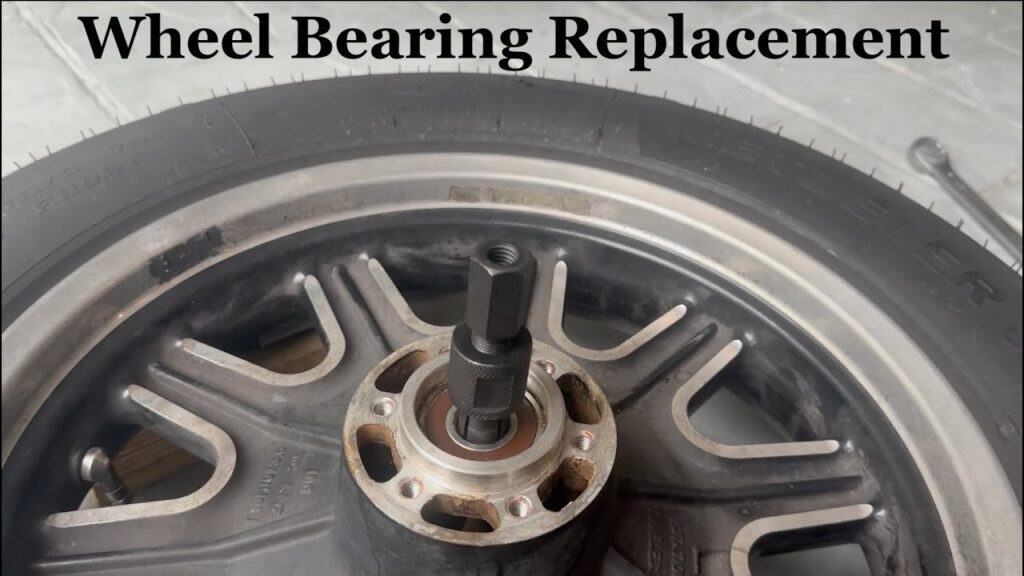
Replacing wheel bearings is a common motorcycle maintenance task. Always follow your motorcycle manufacturer’s service manual for exact specifications.
4.1 Tools Required
Motorcycle stand or lift
Bearing puller or drift
Hammer or mallet
Clean cloths
Safety gloves
New motorcycle wheel bearings
4.2 Step-by-Step Replacement Process
Step 1: Lift the Motorcycle and Remove the Wheel
Secure the motorcycle on a stand
Remove brake calipers if necessary
Loosen axle nuts and remove the axle
Carefully remove the wheel
Step 2: Remove the Old Bearings
Locate the bearings inside the wheel hub
Use a bearing puller or drift to tap them out evenly
Avoid damaging the wheel hub
Step 3: Clean the Hub
Remove dirt, grease, and debris from the bearing seat
Ensure the hub is clean and smooth
Step 4: Install New Bearings
Align the new bearings correctly
Press or gently tap them into place using the outer race only
Ensure the bearings are fully seated
Step 5: Reinstall the Wheel
Reinstall the wheel and axle
Torque axle nuts to manufacturer specifications
Reinstall brake components
Spin the wheel to ensure smooth rotation
5. Tips to Extend Motorcycle Bearing Life
To maximize bearing lifespan and performance:
Choose high-quality bearings designed for motorcycles
Inspect bearings during regular maintenance
Avoid high-pressure washing directly at bearing seals
Install bearings using proper tools and techniques
Premium motorcycle bearings from BYWB Bearing are engineered for durability, precision, and smooth operation under demanding riding conditions.
Conclusion
Motorcycle bearings play a vital role in ensuring smooth rotation, stable handling, and reliable performance. Understanding the different types of bearings, recognizing early warning signs of failure, and knowing how to replace wheel bearings can help riders maintain their motorcycles safely and efficiently.
By selecting high-quality motorcycle bearings from BYWB Bearing, riders benefit from reduced friction, improved durability, and enhanced riding confidence. Proper bearing maintenance and timely replacement are essential steps toward a safer, smoother, and more enjoyable riding experience.
FAQ Schema Section
Frequently Asked Questions About Motorcycle Bearings
1. What bearings are used on a motorcycle?
Motorcycles use several types of bearings, including wheel bearings, engine bearings, transmission bearings, steering head bearings, and suspension bearings. Each type supports rotating parts and reduces friction.
2. How long do motorcycle wheel bearings last?
Motorcycle wheel bearings typically last between 20,000 to 50,000 miles, depending on riding conditions, bearing quality, and maintenance practices.
3. What are the signs of a bad motorcycle wheel bearing?
Common signs include grinding or humming noises, wheel vibration, excessive wheel play, uneven tire wear, and difficulty steering.
4. Can I ride with a bad motorcycle bearing?
Riding with a bad bearing is unsafe. Worn bearings can cause wheel wobble, loss of control, and potential wheel lock-up. Bearings should be replaced immediately when symptoms appear.
5. Are sealed bearings better for motorcycles?
Yes. Sealed motorcycle bearings are pre-lubricated, require no maintenance, and provide better protection against dust and water compared to open bearings.
6. Do motorcycle wheel bearings need grease?
Sealed bearings do not require additional grease. Tapered roller bearings, however, must be greased and adjusted periodically.
7. How do I choose the right motorcycle bearings?
Choose bearings based on correct size, load rating, sealing type, and riding conditions. High-quality bearings from trusted manufacturers like BYWB Bearing ensure reliability and long service life.
