
Motorcycle wheel bearings might seem small, but they hold the entire ride together—quite literally. These tiny mechanical marvels are pivotal in ensuring your bikes roll smoothly off the production line and onto the streets. This article dives into the essentials of motorcycle wheel bearings, detailing what wholesalers need to know to keep their inventory moving and their clients riding safely. From understanding different types and materials to recognizing signs of wear and tear, we’ll cover the crucial aspects that impact both your stock choices and customer satisfaction.
As a wholesaler, your role in supplying high-quality, reliable components like wheel bearings is more than just transactional; it’s about fostering long-term relationships built on the back of dependable products. By staying informed about the latest in bearing technology and maintenance practices, you can advise your clients effectively, helping them avoid costly downtimes and repairs. Let’s explore how you can enhance your product offerings and become a trusted advisor in the motorcycle industry.
Motorcycle Wheel Bearing
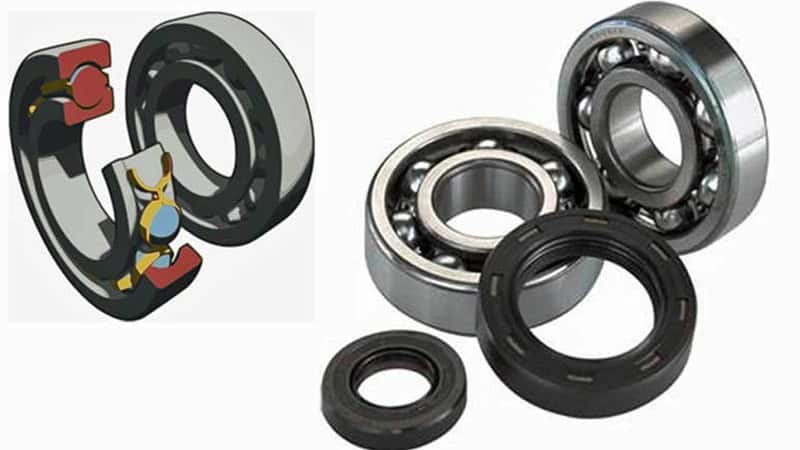
Motorcycle wheel bearings are crucial components that ensure smooth wheel rotation and overall stability of the bike. They are sealed to prevent dirt and moisture penetration, which can extend their life significantly. However, regular exposure to harsh conditions like water, mud, or rough terrain can damage these bearings. It’s vital for motorcyclists to inspect their wheel bearings regularly for any signs of wear or damage, such as roughness or metal shavings around the bearing area, to prevent severe bike damage or accidents.
Key Features of Motorcycle Wheel Bearing
Motorcycle wheel bearings have several key features that are crucial for the optimal performance and safety of the bike:
- Sealed Design: Most are sealed to block out dirt and moisture, enhancing durability and reducing maintenance needs.
- Material: Typically made from hardened steel, offering strength and resistance to wear under friction and high loads.
- Longevity: Designed to last for the lifetime of the motorcycle under normal conditions, with periodic inspections recommended.
- Sensitivity to Conditions: Susceptible to damage from harsh riding conditions such as water crossings or muddy and rough terrains, which can shorten their lifespan.
- Maintenance: Regular inspection is crucial, especially if the bike is used in challenging environments, to detect early signs of wear or damage.
Advantages of Using Motorcycle Wheel Bearings
Motorcycle wheel bearings offer several advantages that enhance both the performance and safety of the ride:
- Smooth Operation: They ensure the wheels rotate smoothly, providing a more stable and comfortable ride.
- Durability: Sealed bearings are designed to be low maintenance and resist dirt and moisture, which extends their lifespan.
- Load Handling: Engineered to withstand the weight of the motorcycle and rider, they can handle high loads without compromising performance.
- Safety: Properly maintained bearings reduce the risk of malfunctions, which can lead to accidents.
- Cost-Effective: While they are critical for safety and performance, they are generally affordable and widely available, making them a cost-effective component of motorcycle maintenance.
Signs of Damaged Motorcycle Wheel Bearings
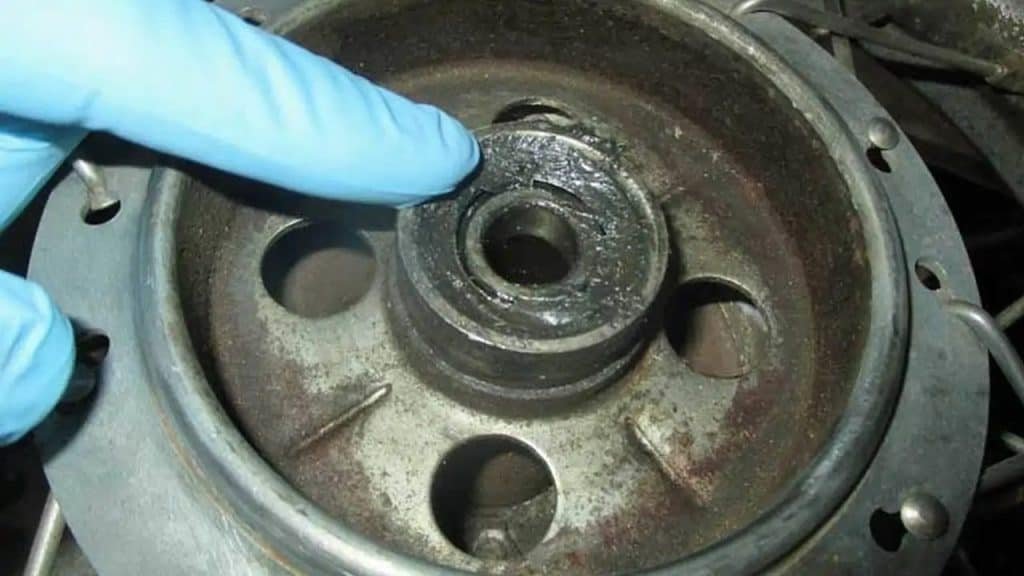
Recognizing signs of damaged motorcycle wheel bearings is crucial for maintaining the safety and performance of your bike. Here are the key indicators to watch out for:
Unusual Noises
A common sign of wheel bearing damage is unusual noises coming from the wheels, such as humming, grinding, or growling sounds. These noises may intensify when the bike’s speed increases or during turns.
Vibrations
If the handlebars vibrate unusually, it might indicate that the wheel bearings are failing. This vibration can result from excessive play in the bearings, causing the wheels not to run true, which could increase the risk of control issues.
Handling Difficulties
Damaged bearings can make it difficult to steer the bike effectively. You might notice the bike swerves or wanders from side to side when you briefly let go of the handlebars. This issue, known as ‘play in the wheel bearings,’ affects how straight the front wheel can rotate.
Physical Wheel Issues
Check for any lateral movement in the wheels by lifting the bike and rocking the wheel side to side. Properly functioning bearings should not allow any noticeable side-to-side play. Additionally, if the rear wheel feels like it’s fishtailing or the bike’s steering feels loose, it could be a sign that the wheel bearings are worn out.
Overheating Brake Discs
If the brake discs heat up unusually quickly after only a short ride, this could be due to friction caused by damaged wheel bearings, which can generate excessive heat.
Regular maintenance checks, especially after rides through harsh conditions like water, mud, or rough terrain, are essential to catch these issues early and ensure your motorcycle’s wheel bearings are in good condition.
How to Replace the Motorcycle Wheel Bearings
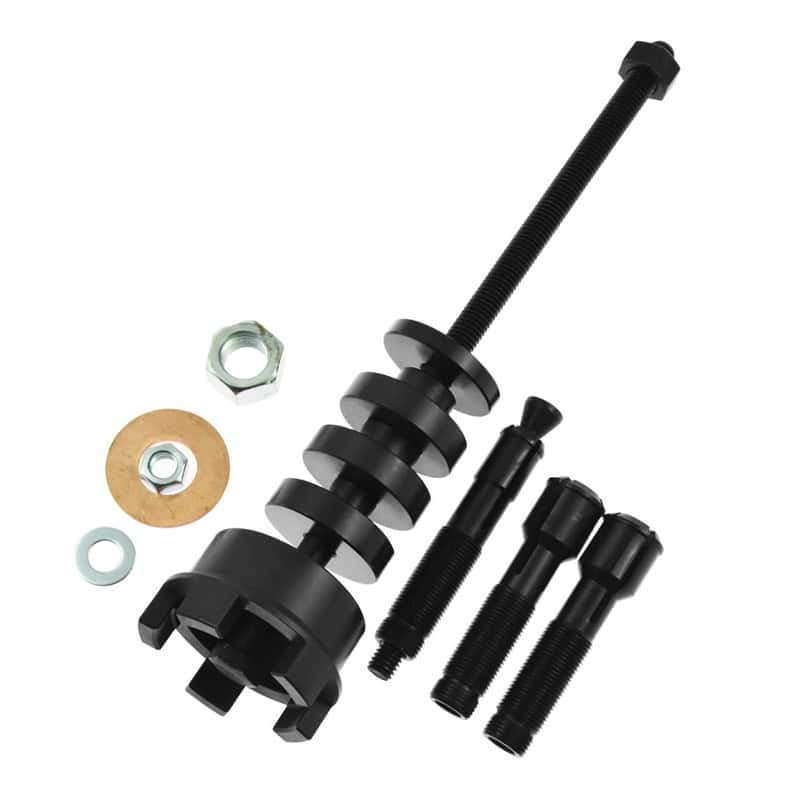
Tools You’ll Need
Having the right tools will make the process smoother and more efficient when replacing motorcycle wheel bearings. Here’s a list of essential tools you’ll need:
- Motorcycle Jack or Lift: To safely raise and support your motorcycle during the repair.
- Socket Set: Needed to remove and tighten the axle nuts and various bolts.
- Torque Wrench: Essential for ensuring all nuts and bolts are tightened to the manufacturer’s specifications.
- Bearing Puller: This tool is used to remove the old bearings from the wheel hub without causing damage.
- Bearing Driver Set: Helps to install the new bearings evenly and without damage.
- Seal Puller: Useful for removing old seals without scratching any surfaces.
- Hammer: A rubber mallet is useful for helping to remove or adjust components without causing damage.
- Cleaner (e.g., Citrus Cleaner or Isopropyl Alcohol): This is used to clean the hub and bearing seat before installing new bearings.
- High-Quality Grease: Necessary for lubricating the new bearings and seals.
- Rags and Gloves: To keep your hands clean and to wipe away any excess dirt or grease.
Replacement Steps
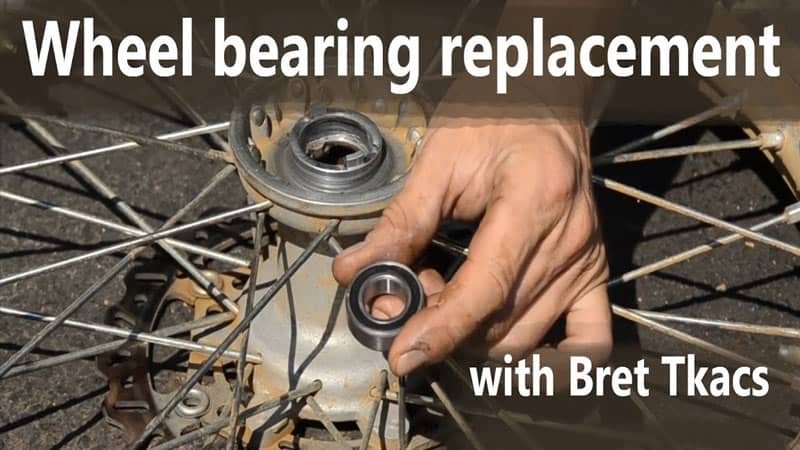
Replacing motorcycle wheel bearings can be a manageable task if you’re familiar with basic bike maintenance. Here’s a step-by-step guide on how to do it:
- Preparation: Ensure your motorcycle is securely lifted off the ground using a jack or lift. This provides clear access to the wheel. Remember to loosen the axle nuts before lifting the bike to maintain stability.
- Wheel Removal: Once the bike is securely lifted, remove the wheel from the motorcycle by detaching the axle nuts and sliding out the axle. This will expose the wheel bearings.
- Bearing Removal: Use a bearing puller to remove the old bearings from the wheel hub. This tool allows you to extract the bearings without damaging the wheel.
- Clean and Inspect: Once the old bearings are removed, clean the bearing seat thoroughly to remove any dirt or grime. Inspect the area for any damage or excessive wear, as this could affect the new bearings’ fit and function.
- Install New Bearings: Position the new bearings into the wheel hub. Use a bearing driver tool to gently and evenly press the bearings into place, ensuring they are properly seated.
- Reassemble: Once the new bearings are installed, reattach the wheel to the motorcycle. Insert the axle through the wheel hub, secure the axle nuts, and lower the motorcycle back to the ground.
- Final Checks: Ensure everything is tightened to the manufacturer’s specifications. Give the wheel a spin to check for smooth rotation without any play or noise, which would indicate properly installed bearings.
This process should take about an hour or two, depending on your skill level and experience. Always consult your motorcycle’s service manual for specific details and torque specifications to ensure correct installation and safety.
If you’re new to this type of maintenance, it might be a good idea to have a professional mechanic walk you through the process the first time or consult detailed guides from sources like BYWB Bearing for specific tips on handling your particular motorcycle model.
Maintenance Tips
- Regular Inspection: Check your wheel bearings regularly for any signs of wear, noise, or play. Frequent inspections are particularly crucial if you often ride in harsh conditions.
- Clean and Lubricate: Keep the bearings clean and well-lubricated. Dirt and debris can accelerate wear, while proper lubrication reduces friction and prevents overheating.
- Avoid High-Pressure Washing: When cleaning your motorcycle, avoid using high-pressure water jets near wheel bearings as they can push water and dirt into the bearings, compromising their integrity.
- Ride Carefully: Riding habits significantly affect bearing life. Avoid harsh riding conditions like extreme off-roading, jumping, or wheelies, which can put excessive stress on the bearings.
- Proper Installation: When installing new wheel bearings, make sure they are installed correctly and evenly to avoid premature wear or damage. Use the right tools and follow the manufacturer’s guidelines.
- Regular Service: Incorporate wheel bearing inspection and maintenance into your regular motorcycle service routine. This ensures any potential issues are caught and addressed early.
- Use Quality Bearings: Invest in high-quality wheel bearings from reputable manufacturers. Higher quality materials can withstand wear and tear better, leading to longer bearing life.
Following these tips can significantly extend the life of your motorcycle’s wheel bearings, ensuring safer rides and fewer maintenance issues down the line.
Conclusion
Maintaining and replacing motorcycle wheel bearings are essential skills every rider should master to ensure their bike’s longevity and safety. From recognizing the signs of wear and tear to executing a precise replacement, understanding wheel bearings can save you from unexpected breakdowns and costly repairs.
Regularly inspecting and cleaning the bearings, using the right tools for replacement, and opting for quality parts can make a significant difference in your motorcycle’s performance. Contact BYWB Bearing for reliable bearing solutions. We have a team of professionals to answer all your bearing-related queries.
