
Every component plays a pivotal role in ensuring a smooth and efficient ride in your vehicle’s intricate machinery. The driveshaft carrier bearing might not be the most glamorous part, but its health is crucial for the seamless operation of your vehicle.
When it starts to fail, it can manifest through unsettling noises, vibrations, and other symptoms that can no longer be ignored. This article serves as a comprehensive resource for understanding, diagnosing, and addressing driveshaft carrier bearing noise, ensuring your vehicle continues to operate at its peak performance.
Driveshaft Carrier Bearing Noise
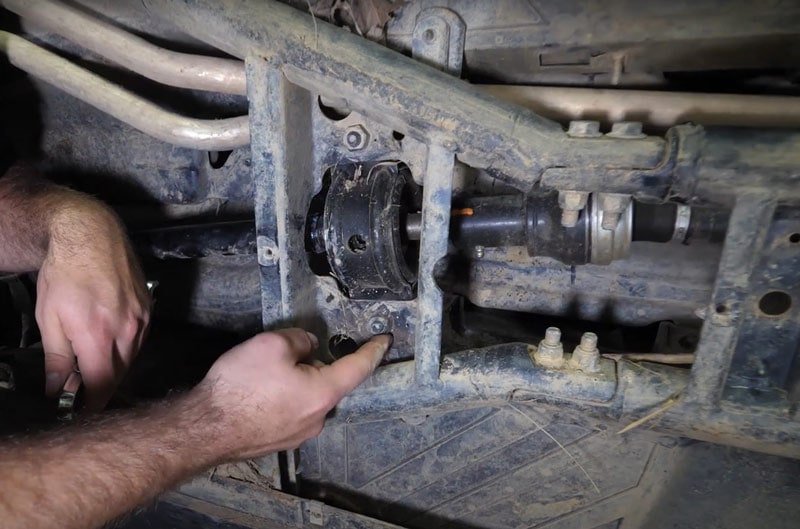
The driveshaft carrier bearing, an integral part of a vehicle’s driveline, supports the driveshaft, ensures its proper alignment, and reduces vibrations. When this bearing begins to fail, it manifests through distinct noises and vibrations, which can lead to more significant drivetrain issues if left unaddressed.
Symptoms of a Failing Carrier Bearing
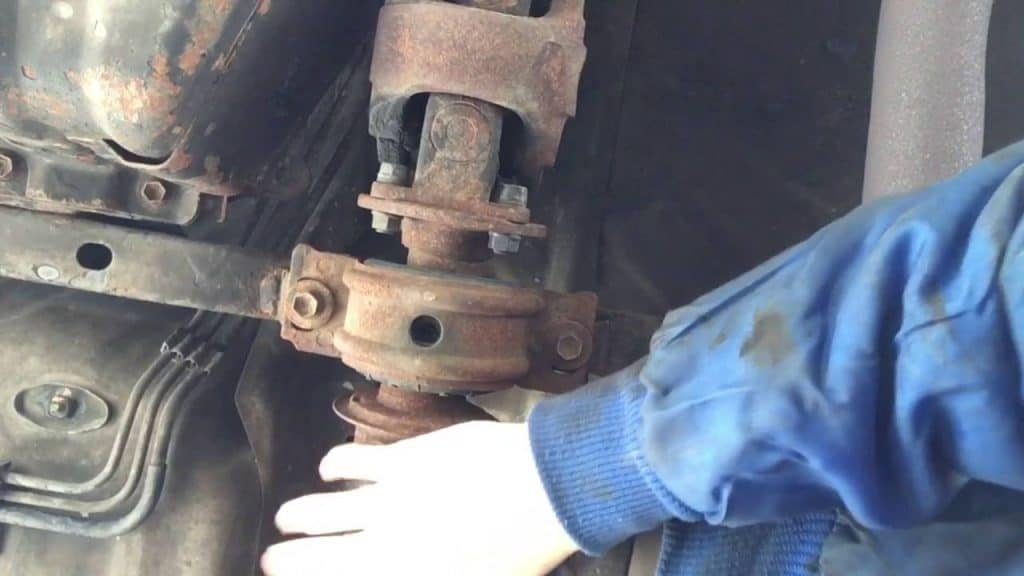
A failing carrier bearing can present several symptoms, the most prominent being unusual driveshaft carrier bearing noises and vibrations.
Drivers may notice a rumbling or whirling sound during acceleration, particularly noticeable above twenty miles per hour. This noise is often the first indication of a carrier bearing starting to wear out.
As the condition worsens, the noises can evolve into squealing, howling, or even grinding sounds, depending on the severity of the bearing’s deterioration.
Another common symptom is a vibration felt under the vehicle, which may intensify with acceleration.
This vibration is uncomfortable for passengers and signals the potential for further damage to the drivetrain components if the faulty bearing is not promptly replaced.
Some other symptoms are:
- A sense of looseness or instability in the vehicle’s drivetrain, potentially affecting handling and overall vehicle performance.
- Visible wear or damage to the carrier bearing, including cracks, rust, or signs of excessive play or movement.
- Difficulty steering or maintaining control, particularly at higher speeds, due to the misalignment of the driveshaft.
- Increased fuel consumption as the vehicle’s drivetrain works harder to compensate for the failing bearing.
Diagnosing Driveshaft Carrier Bearing Noise Issues
Diagnosing a failing carrier bearing involves a thorough inspection and a keen ear for the symptoms mentioned.
A visual check can reveal signs of wear or damage to the bearing itself, such as cracks, rust, or dryness.
Additionally, manually spinning the bearing can help identify any internal wear indicated by unusual noises like spinning or whirring.
It’s also crucial to check for excessive play or movement in the carrier bearing bracket. A healthy bearing should exhibit minimal to no movement, ensuring the driveshaft’s stability and alignment.
Causes and Prevention of Carrier Bearing Noise
The failure of a carrier bearing can be attributed to several factors, including wear and tear from regular use, improper alignment of the driveshaft, and exposure to harsh environmental conditions such as water, dirt, and road salt. These elements can accelerate the wear process, leading to premature failure.
Preventive measures include regular inspections and maintenance checks, especially for vehicles frequently driven in challenging conditions. Ensuring the driveshaft is correctly aligned and balanced can also prolong the life of the carrier bearing.
Solutions to Address Driveshaft Carrier Bearing Noise
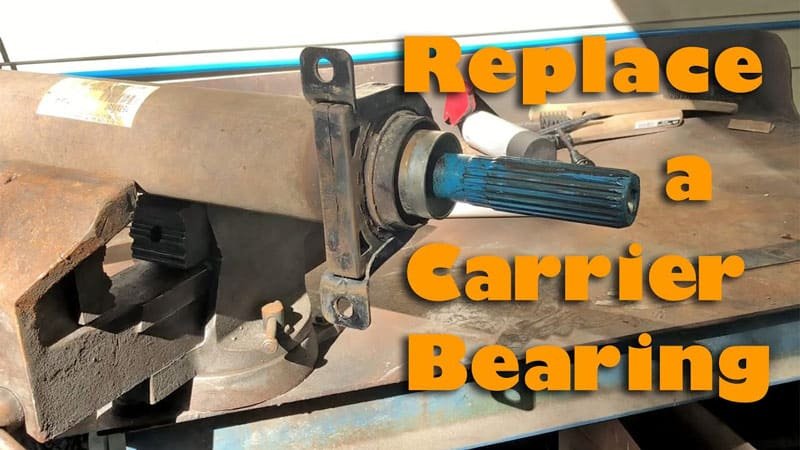
When faced with a failing carrier bearing, the most effective solution is often to replace the bearing entirely. While easy for experienced mechanics, this process requires precision to ensure the new bearing is correctly installed and the driveshaft is properly aligned.
For businesses in the automotive repair sector, offering timely and efficient carrier bearing replacement services can significantly enhance customer trust and satisfaction. Utilizing high-quality replacement parts and ensuring skilled technicians perform the repairs are crucial to successful outcomes.
Partnering with BYWB Bearing for Optimal Solutions
Driveshaft carrier bearing noise is more than a mere inconvenience; it’s a warning sign of potential drivetrain issues that can affect a vehicle’s performance and safety. Addressing this problem promptly and effectively is essential for maintaining the vehicle’s longevity and ensuring a smooth driving experience.
For businesses seeking reliable solutions for driveshaft carrier bearing noise, partnering with BYWB Bearing offers a strategic advantage. With a team of skilled professionals and a commitment to quality, BYWB Bearing provides the expertise and products necessary to resolve these issues efficiently.
Trust BYWB Bearing to be your partner in ensuring the optimal performance and reliability of the vehicles you service. This will ultimately enhance your business’s reputation and customer satisfaction.
FAQs
- What is a driveshaft carrier bearing, and why is it important?
A driveshaft carrier bearing is crucial to your vehicle’s drivetrain system. It supports the driveshaft, ensuring it remains aligned while reducing vibrations during operation. This bearing is vital for the smooth performance of your vehicle, contributing to a comfortable ride and the longevity of the drivetrain components.
- How can I tell if my driveshaft carrier bearing is failing?
The most common signs of a failing driveshaft carrier bearing include unusual noises like rumbling, squealing, or grinding from beneath the vehicle, especially during acceleration. You might also notice vibrations or a general sense of instability while driving. These symptoms suggest that the carrier bearing is deteriorating and may need attention.
- What causes driveshaft carrier bearing failure?
Driveshaft carrier bearing failure can result from several factors, including normal wear and tear over time, exposure to harsh environmental conditions (like water and road salt), and improper alignment or balance of the driveshaft. Regular maintenance and inspections can help prevent premature failure.
- Can I drive with a bad driveshaft carrier bearing with noise?
While you might be able to drive for a short period with a failing carrier bearing, it’s not recommended. Continuing to drive with this issue can further damage your vehicle’s drivetrain components, potentially resulting in more significant repairs and safety concerns. It’s best to address the problem as soon as possible.
- How is a driveshaft carrier bearing replaced, and what does it cost?
Replacing a driveshaft carrier bearing involves removing the driveshaft, extracting the old bearing, and installing a new one, ensuring everything is properly aligned and balanced. The cost of replacement can vary depending on the vehicle make and model, the complexity of the repair, and labor rates in your area. Getting quotes from a reputable manufacturer to understand the potential cost is a good idea.
References
https://www.superatv.com/offroad-atlas/how-to-find-the-cause-of-your-carrier-bearing-noise/
https://www.driveshaftsoftulsa.com/blogs/news/symptoms-of-a-failing-support-bearing
https://blog.1aauto.com/how-to-check-bad-carrier-bearings/
https://www.ttora.com/threads/carrier-bearing-noise.38051/
