
Discover what factors determine how long front wheel bearings last on commercial vehicles, a critical component for B2B buyers looking to save on maintenance.
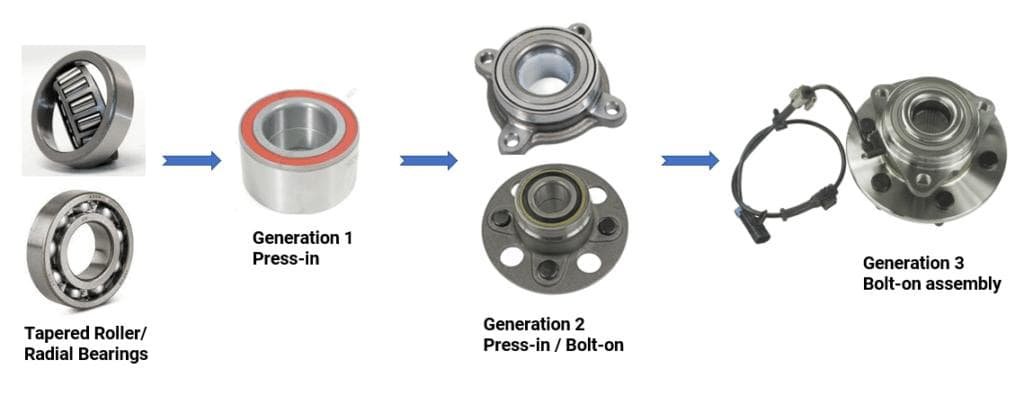
Typically, front wheel bearings last between 85,000 and 100,000 miles. But the quality of the bearing and the conditions you operate in can make a big difference.
Knowing how long front wheel bearings last and when they need to be replaced can save you a lot of time and money if your business depends on your vehicles being reliable.
Knowing the signs that your bearings are going bad is critical so you can replace them before they fail. What are the most common symptoms to look for?
How Often Should Front Wheel Bearings be Replaced?

Front wheel bearings are a critical part of how your vehicle works. They impact safety and performance. You should plan to replace them about every 85,000 to 100,000 miles.
But that’s not a hard and fast rule. A number of things can affect how long they last. How you drive, the type of vehicle you have, and the kind of roads you drive on all play a role.
For example, if you drive on a lot of rough, uneven surfaces, you may have to replace your bearings more often than someone who drives on smooth, paved roads.
It’s important to check your bearings regularly to see if they need to be replaced. That way, you can keep your vehicle running well and avoid more serious mechanical problems.
Can Wheel Bearings Last 200,000 Miles?
Most wheel bearings are designed to last between 85,000 and 100,000 miles. But there are cases where they can go 200,000 miles or more, especially if you take care of your vehicle and conditions are good.
If you have high-quality bearings, you install them correctly, and you take care of them, they will last a long time. But it’s important for vehicle owners and fleet managers to understand that bearings can still fail early if they’re used in harsh conditions or if they have manufacturing defects.
So, it’s not a good idea to rely solely on mileage to decide when to replace them. It’s better to have them checked regularly by a professional and replace them as needed. That way, you can avoid unexpected breakdowns and expensive repairs.
What is The Life Expectancy of a Bearing?
The life expectancy of wheel bearings depends on how they’re designed and the conditions they operate in. Typically, you can expect a wheel bearing to last between 85,000 and 100,000 miles.
But there are a lot of variables that can affect that number. Things like how much weight you have in the vehicle, whether the vehicle is aligned correctly, how you drive, and the kind of roads you drive on can all make a difference.
For example, if you have a vehicle that’s always carrying heavy loads or if you drive on really bad roads all the time, you’re not going to get as many miles out of your bearings as somebody who just drives to work and back on the highway.
If you check your bearings regularly and fix any problems you find right away, you can make them last longer, which will help your vehicle perform better and be safer.
How do You Know if a Bearing is Still Good?
There are a few easy ways to tell if your wheel bearings are going bad. The most obvious is noise. If you hear a rumbling or grinding sound coming from the wheel area, your bearing is probably shot.
Other signs include a loose steering wheel, uneven tire wear, and the vehicle pulling to one side while you’re driving. If your vehicle has any of these symptoms, you need to have it checked out right away.
A professional mechanic can put your vehicle up on a lift and spin the wheels to see if there’s any play or roughness in the movement, which is a sign that the bearing is going bad.
What is The Most Common Bearing Failure?
The most common reason wheel bearings go bad is because they get dirty. Wheel bearings are sealed units, but the seals can go bad over time. When that happens, dirt, water, and other debris can get in there and contaminate the grease.
When the grease gets dirty, it creates friction and heat, which damages the bearing. Other things that can cause bearings to fail are improper installation and insufficient grease. These factors can cause the bearing to wear out and fail prematurely, necessitating replacement.
If you take care of your bearings and ensure they’re installed and greased correctly, you can prevent these problems and make your bearings last longer.
Are Front Wheel Bearings Expensive?
The cost to replace front wheel bearings can vary a lot depending on the make and model of your vehicle. The parts themselves can range from about $50 to several hundred dollars.
The labor can also vary, but you can usually expect to pay somewhere between $100 and $300 per bearing if you have it done at a repair shop or dealership.
If you’re a commercial fleet operator, these costs can add up, especially if you have a lot of bearing failures and your trucks are down for repairs when they should be out on the road making money.
The best way to keep your costs down is to check your bearings regularly and fix any problems you find right away. That way, you can make your bearings last longer and you won’t have to replace them as often.
What Kills Bearings?
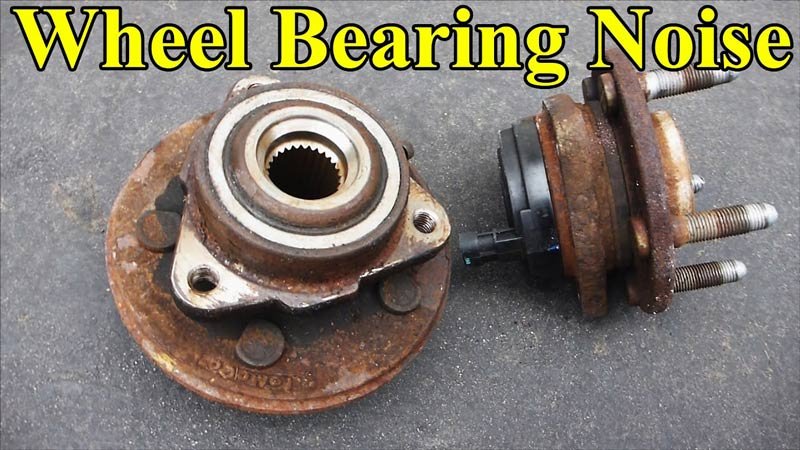
There are a few things that can make your wheel bearings go bad faster than they should. One of the most common is poor installation. Using the wrong tools or techniques to install the bearings puts too much stress on them and makes them wear out faster.
Another factor is not having enough lubrication, which creates friction and heat.
Overloading the bearings is also a problem. If you put too much weight on them, they’re going to wear out faster than they should.
The environment also plays a role. Water and road salts can corrode the bearings and make them not work as well.
If you understand these factors and check your wheel bearings regularly, you can make them last longer. This will help your truck run better and be safer.
Take Away
Now that we’ve talked about how long wheel bearing last and how important they are to your truck’s performance and safety, you need to take care of them. They’re not a big, sexy component, but they can cause you a lot of trouble if you don’t maintain them.
When you look at your fleet, what’s your wheel bearing maintenance strategy? What’s the first thing you’re going to do? Or, what’s a maintenance tip you use that I didn’t mention?
If you have any questions about wheel bearings, or if you need help with your fleet, just let me know. I’ll be happy to help you out!
