
Let’s start with a killer intro that tells the reader why they should care about selecting the right pillow block bearing for their industrial application. Use the Problem-Agitate-Solution (PAS) formula to quickly outline the common problems and tease the solutions covered in the article.
When selecting the right pillow block bearing, you need to consider the shaft diameter, height, size, maximum speed, and load capacity. You must match these specifications to your machinery’s requirements to ensure peak performance and long bearing life.
Finish the snippet with a question to keep the reader engaged: “Now that you know the basics, how do you measure these specifications and ensure they fit your needs?”
Why Use Pillow Block Bearings?
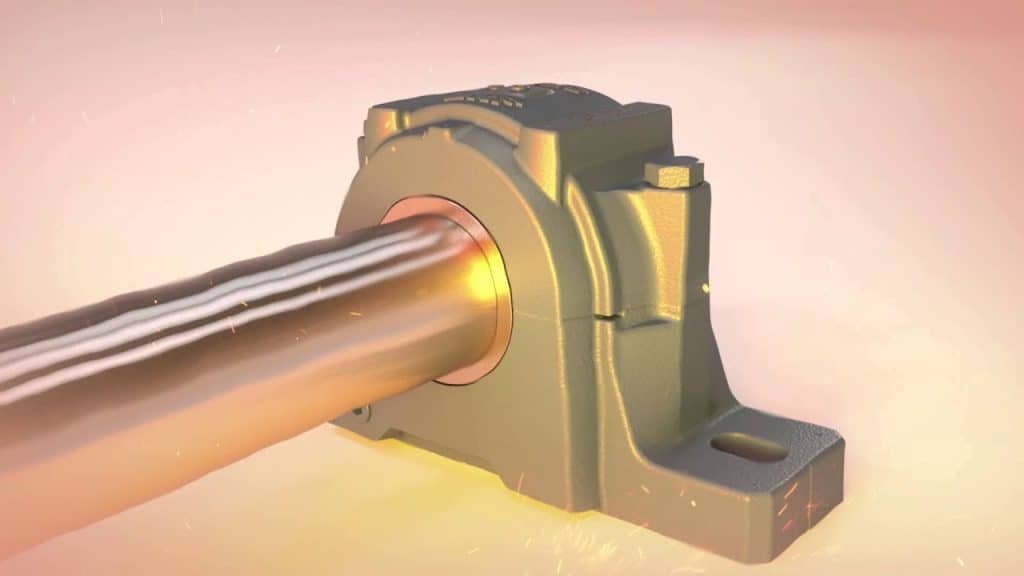
Pillow block bearings are critical components in both industrial and mechanical systems. They provide robust support for rotating shafts. They’re easy to install and require minimal maintenance, making them perfect for heavy-duty machinery used in construction, agriculture, and manufacturing. By absorbing vibrations and reducing friction, they help machines last longer. Pillow block bearings also allow for greater alignment flexibility, which can compensate for errors made during installation. This is important in applications where precision and reliability are critical. Plus, you can replace them without taking apart the whole system. That means less downtime and less disruption to your operation, which increases productivity and lowers your long-term maintenance costs.
What Are the Characteristics of Pillow Block Bearings?
Pillow block bearings are versatile and tough. They’re designed to hold different types of rolling-element bearings, such as ball, roller, and spherical bearings. This versatility makes them useful in many applications. They can handle different speeds and loads. The housing of a pillow block bearing, usually made from cast iron or steel, provides a lot of support and protection for the bearing. This means it can keep working even in tough conditions. You can also get pillow block bearings with different sealing options to keep dirt, dust, and other stuff out of the bearing. That’s important because it helps the bearing work right and last longer. The design and material choices in pillow block bearings affect how well they work and whether they’re right for your application. You have to choose carefully based on what you need and the conditions where the bearing will be used.
What Are the Two Types of Pillow Block Bearings?

There are two main types of pillow block bearings—split and solid. Each has its own purpose and offers different benefits depending on what you need. Split pillow block bearings are great when you have to do maintenance on your machine fast. They’re designed to be taken apart into smaller pieces, so you can replace or fix them without taking apart a bunch of other stuff. On the other hand, solid pillow block bearings are strong and tough. They can handle bigger loads and more abuse. You usually find them in applications where you need something that’s going to last and you don’t want to do a lot of maintenance, like on big conveyor systems or heavy industrial equipment. Knowing the difference between these two types of bearings is important if you’re an engineer or maintenance guy. You want to make sure you pick the right one and use it the right way.
What Is the Difference Between Floating and Fixed Pillow Block Bearings?
There are two main types of pillow block bearings—floating and fixed. Each one is designed to do something different and works best in specific situations. Floating bearings are designed to let the shaft move both up and down and side to side. They can handle the shaft getting longer and shorter because of temperature changes or the load on the machine changing. This is important in high-temperature environments or when you have a really long shaft and it gets hot. On the other hand, fixed bearings are designed to hold the shaft in one place. They’re stiffer and keep the shaft from moving. People use fixed bearings when they need things to be precise, like when they’re making something really accurate or in a controlled environment. Picking the right kind of bearing depends on what you’re doing and where you’re doing it to make sure everything works like it should and lasts a long time.
Do Pillow Block Bearings Spin?
It’s important to understand that in pillow block bearings, the housing doesn’t spin. The housing is the stationary part that holds the actual bearing that does the spinning. The design of pillow block bearings allows the inner part of the bearing that touches the shaft to spin freely. This is important in applications where you need something to rotate and support a big load at the same time. The housing part holds everything together and makes sure the rotation is smooth and consistent. That’s important in machines that run really fast or where you need the rotation to be precise.
How to Measure Pillow Block Bearing Size?

Proper measurement of pillow block bearings is critical to getting the right fit and making sure everything works like it should. To measure a pillow block bearing, start by figuring out the size of the shaft. You want to make sure the bearing is going to fit the shaft. Next, measure the height from the bottom of the bearing to the center of the shaft. This is important because it affects how everything lines up with the rest of the stuff in your system. Finally, measure the distance between the holes where the bearing is going to be mounted. You want to make sure the holes line up with the holes in your machine. When you measure everything right, the bearing will fit and work like it’s supposed to. If you don’t measure right, you’ll have problems like things not lining up, stuff vibrating too much, and parts wearing out too soon.
How Much Weight Can a Pillow Block Bearing Hold?
Pillow block bearings come in all different sizes with different load limits. When you pick an item, you have to ask yourself these questions: How big is the item? What’s it made out of? Is it a good design? Now, in the case of pillow block bearings, and in the case of the good quality ones, we’re talking heavy duty capabilities. The ones that aren’t very good, not so much. Consider the dynamic and static load ratings and consider the bearing load ratings to make sure you are getting one that will handle both the stuff you are going to do to it and the stuff that you might do to it before it fails. You should select a bearing that will not only be okay, but be a good choice from a safety standpoint, from an efficiency standpoint, and from a longevity standpoint.
Can Pillow Block Bearings Take Axial Load?
Most pillow block bearings take radial loads. There are some pillow block bearings that can take a little bit of axial load, but usually you need a different style bearing if you’re going to have any significant amount of axial load. Depending on whether you’re just taking one or the other or both kind of loads, you’ll want to pay attention to bearing design and to bearing type. Generally speaking, the bearings that are designed to take both kinds of loads are going to be more expensive. They will have special materials or special rolling elements, and those kinds of things that will help you make sure that the bearing won’t fail. Pick the right kind of bearing and make sure that the bearing you select is capable of handling the actual loads that you’re going to put it through in service keeping in mind what it going to happen to the bearing during that service. This will save you performance problems and mechanical failures.
What Are the Components of Pillow Block Bearings?

The housing of the pillow block bearing is generally made of cast iron, steel, or possibly some composite material. That is what provides the structural integrity for the bearing. You need something to support the bearing. The bearing insert is actually (the bearing), which could be a ball, roller, or some other arrangement. Also, there are seals. Seals keep crap out of the bearing. Debris, dust, moisture. We want to keep all that out of there. Seals make the bearing last longer. The piece of the housing that holds the bearing in place is the locking mechanism. This may be set screws or some kind of locking collar. It has a ways to make sure the bearing is secure inside the housing, allowing the pillow block bearing to operate successfully. The housing, the insert, the seals, and the lock mechanism all are part of the pillow block bearing assembly. So to pick the correct pillow block bearing, you have to be familiar with these components and how they all work, to make sure you get the bearing put together correctly and maintained well so that you can maximize the service you get from these devices in your particular applications.
Are Pillow Block Bearings Sealed?
You can get pillow block bearings with seals on them and pillow block bearings that don’t have seals on them. Sometimes, you don’t want sealed bearings because they could heat up or they could do something else. Sometimes you don’t want something wet, or you don’t want something where water could accumulate like in the average car wash where a pressure washer could get water inside the bearing. These things could happen. Remember, it’s going to be your pillow block bearing and you have to decide whether you’re going to run your equipment so the pillow block bearing is sealed up so it’s protected and you don’t have any problems – then you’re done. Or, you’re going to run your equipment so that pillow block bearing is not sealed up tight because you’re going to blow out seals and increase maintenance costs, but be able to look at the bearing (so you can). It’s a trade-off. You have to decide what is going to work best for you based on your design, the environment it’s going to be used in, and how much work you are going to put into maintaining the pillow block bearing.
Take Away
Now you can select the appropriate pillow block bearing, considering the way you’re going to load it, where you operate the equipment, and what operational demands are placed on the bearing. As you make decisions moving forward from today’s article, think about how you can implement these ideas into your maintenance action plan or your purchase decisions.
What’s the first strategy you’ll try from today’s post? Or, maybe I didn’t mention one of your favorite tactics for choosing pillow block bearings?
For personalized guidance on a pillow block bearing solution that makes the most sense for your specific industrial application, contact our industrial specialists today.