
Selecting the right type of bearing for general applications is critical for the performance and longevity of machinery in the business sector. This guide provides a straightforward comparison between ball bearings and taper roller bearings, two prevalent choices for wheel bearing applications.
Understanding the distinctions in their design, load capabilities, and durability will help businesses make informed decisions that align with their operational needs and budgetary considerations.
So, let’s begin!
What is the Difference Between Ball Bearing and Taper Roller Bearing on Application?
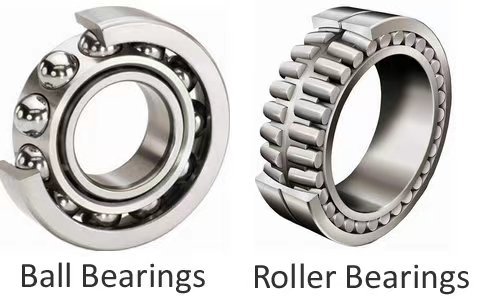
Ball bearings and taper Roller bearings are two types of bearings commonly used, each with distinct characteristics and advantages suited to different needs. Here’s a detailed look at the differences between them:
Ball Bearings

- Ball bearings consist of spherical balls enclosed between two rings, known as races. This simple structure allows for smooth rotation.
- They are generally better for handling radial loads, which are loads perpendicular to the axis of rotation. However, they can also manage some axial (thrust) loads.
- Ball bearings typically handle higher speeds due to lower friction compared to Roller
- Due to their versatility and efficiency in handling both radial and limited axial loads, ball bearings are widely used in many standard wheel applications, including automotive wheels.
Taper Roller Bearings (Tapered Roller Bearings)

- These bearings feature conical Rollers arranged between tapered races, forming a cone angle that supports the bearing’s structure.
- Tapered Roller bearings excel in environments where significant axial (thrust) and radial loads are present. They are particularly adept at handling large axial loads in one direction.
- They usually operate at lower speeds than ball bearings due to higher friction from the greater contact area of the Roller
- Taper roll bearings are ideal for heavy-duty applications that require high load capacities and durability. They are commonly found in truck wheels, large industrial machines, and applications where robust support is necessary.
Pros and Cons of Ball Bearing

Ball bearings are widely used in various mechanical systems, offering a range of benefits along with certain drawbacks. Below is a comprehensive analysis of the pros and cons of ball bearings:
Pros of Ball Bearings
- Low Friction – Ball bearings are designed to have minimal contact area with the races, which reduces friction significantly. This makes them ideal for applications requiring high-speed rotation.
- Versatility – They can handle both radial and axial loads, though they are better suited for lighter axial loads. This versatility makes them suitable for a wide range of applications, from small household appliances to automotive wheels.
- Low Maintenance – Due to their simple design and the ability to handle high speeds with low friction, ball bearings typically require less maintenance compared to other types of bearings. This can lead to lower long-term maintenance costs.
- Cost-Effectiveness –Ball bearings are generally less expensive to manufacture and purchase compared to other types of rollers This cost-effectiveness makes them a popular choice for many budget-sensitive applications.
- Durability –When properly maintained and under normal operating conditions, ball bearings can have a long service life, providing reliable performance over time.
Cons of Ball Bearings
- Limited Load Capacity –While ball bearings can handle both radial and axial loads, their capacity for axial loads is relatively limited compared to other bearing types such as tapered Roller
- Sensitivity to Misalignment –Ball bearings are sensitive to alignment errors between the inner and outer races. Misalignment can cause uneven wear and tear, reducing the bearing’s lifespan and efficiency.
- Noise Levels – At high speeds, ball bearings can produce more noise compared to Roller bearings, which might be a consideration in noise-sensitive environments.
- Impact Sensitivity – Ball bearings are generally less tolerant to shock loads or impacts. Sudden shocks can cause deformation of the balls or races, leading to failure.
- Performance Variation –The performance and durability of ball bearings can vary significantly based on the quality of the bearing, the conditions of use, and maintenance practices. Poor-quality bearings may not offer the same benefits and can fail prematurely.
Pros and Cons of Taper Roller Bearing
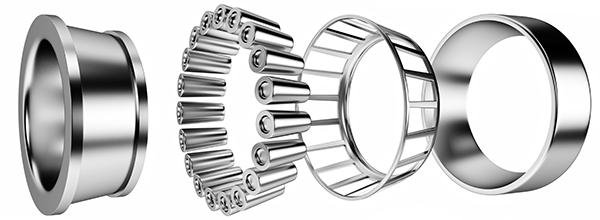
Tapered Roller bearings, also known as taper Roller bearings, are a specialized type of bearing designed to handle large loads and tough conditions. Here’s a detailed look at their advantages and disadvantages:
Pros of Taper Roller Bearings
- High Load Capacity: Tapered Roller bearings are particularly good at handling large radial and axial loads. The larger contact area between the Rollers and the races distributes forces more effectively, making these bearings ideal for heavy-duty applications.
- Durability: They are robust and durable, capable of withstanding harsh conditions and heavy use. This makes them suitable for applications in industries like mining, construction, and agriculture.
- Precision: The design of tapered Roller bearings allows for precise control of clearances, which can be adjusted to meet specific application needs. This precision is beneficial for applications requiring high levels of accuracy and rigidity.
- Versatility: These bearings can be used in configurations that support high axial and radial loads in one direction. They can be paired in opposing pairs to handle axial loads in both directions.
- Alignment Tolerance – Tapered Roller bearings can tolerate slight misalignments better than ball bearings, thanks to their conical design.
Cons of Taper Roller Bearings
- Complexity – The design and installation of tapered Roller bearings are more complex compared to simpler bearings like ball bearings. Correct adjustment of bearing clearance is crucial and can require skilled maintenance.
- Cost – They are generally more expensive than ball bearings due to their design and the materials required for manufacturing them. The higher price can be a limiting factor in cost-sensitive applications.
- Speed Limitations –Due to the larger contact area between components, tapered Roller bearings typically have lower speed capabilities than ball bearings. This makes them less suitable for applications requiring very high rotational speeds.
- Weight –Tapered Roller bearings are heavier than ball bearings, which might be a drawback in applications where weight is a critical factor.
- Noise and Vibration – At higher speeds, tapered Roller bearings can generate more noise and vibration compared to other types of bearings. This may not be suitable in environments where noise levels are a concern.
Which Bearing Type Should You Choose?
When deciding between ball bearings and tapered Roller bearings for applications, it’s essential to consider the specific demands and requirements of the application. Here’s a deeper look into how the characteristics of these bearings affect their suitability based on load type, speed, and environmental factors:
Load Type
Ball Bearings – These are suitable for applications where the load is primarily radial, such as in electric motors or general machinery. Ball bearings can also handle axial loads, but they are limited in capacity. Thus, they are preferred when the axial loads are relatively light compared to the radial loads. The point contact between the balls and the races allows for lower friction, which is advantageous under moderate loading conditions.
Tapered Roller Bearings – In contrast, tapered Roller bearings are ideal for applications that experience heavy axial (thrust) loads in addition to radial loads. The line contact between the tapered elements and the races provides a larger surface area, distributing the load more effectively and enhancing the bearing’s capacity to handle heavy and combined loads. This makes them particularly well-suited for applications like vehicle axles, where the bearings must support both the weight of the vehicle and the force exerted during cornering.
Speed
Ball Bearings – These bearings excel in high-speed applications due to their ability to minimize friction. The design allows them to rotate smoothly and with less resistance, making them ideal for applications such as dental drills, high-speed machinery, and electric motors where operational speeds are high, and load conditions are moderate.
Tapered Roller Bearings – Although capable of handling some high-speed applications, tapered Roller bearings generally perform better under lower rotational speeds. Their robust design, which supports greater load capacities, inherently creates more friction, which can be a limiting factor at high speeds. Therefore, they are more commonly used in applications where rotational speed is less critical, such as in heavy-duty trucks, agricultural machinery, and industrial conveyors.
Environmental Factors
Ball Bearings – The simplicity of their design and the materials used in manufacturing ball bearings can make them sensitive to environmental factors such as dirt, dust, and moisture. These elements can penetrate the bearings and cause wear or corrosion. Applications in cleaner environments are more conducive to the longevity of ball bearings.
Tapered Roller Bearings – Because they can handle tougher conditions, tapered Roller bearings are often the better choice in dusty, dirty, or otherwise harsh environments. Their robust construction and the possibility of sealing them make tapered Roller bearings more resistant to adverse environmental conditions. This makes them particularly valuable in construction and mining applications where exposure to such elements is frequent.
Conclusion
Choosing the right bearing type involves balancing these factors to match the specific operational demands of the wheel application. Ball bearings are often the go-to choice for high-speed, lower-load applications in clean environments, while tapered Roller bearings are preferred for their ability to support heavy loads at lower speeds and in more challenging environments. Understanding these dynamics ensures that the selected bearing not only meets the immediate needs but also offers reliability and longevity under expected operating conditions. You may contact BYWB Bearing for all your bearing needs.
