
In the automotive world, you need to be precise. One area where you need to be precise is when you put torque on wheel bearings. If you’re a B2B buyer trying to figure out what to buy in the automotive space, knowing the average torque for wheel bearings can help you make better buying decisions and give better advice to your clients.
To get the best performance and life out of your wheel bearings, the average torque setting you want to use is between 20 and 30 inch-pounds. This range is where you get the best balance between not wearing out your wheel bearings too soon and keeping your car safe and reliable.
Now that you know the average torque for wheel bearings, let’s dig a little deeper. What does this mean to you in practical terms? What tools do you need to make sure you’re applying the right amount of torque?
What Should Wheel Bearings be Torqued to?
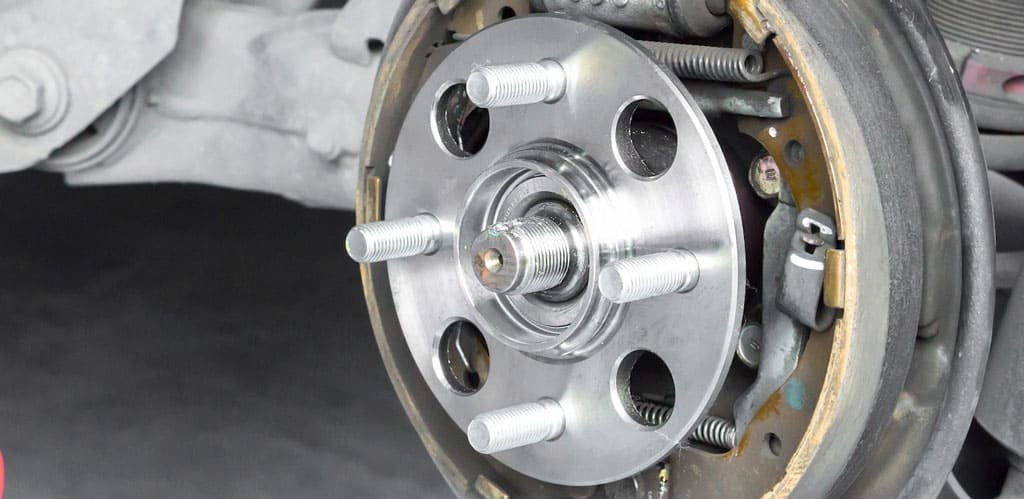
Wheel bearing torque is important because it helps keep your car safe and helps your wheel bearings last a long time. The range you want to use for final torque is usually between 20 and 30 inch-pounds. This gets you zero end play and puts a little preload on your wheel bearing assembly. This is where you want to be to get the best performance and life out of your wheel bearings. This is important because you want your car to last a long time and you want it to be safe. This is why you need to be precise when you do maintenance.
What is The Average Wheel Bearing Torque?
The torque specs for wheel bearings can vary depending on the make, model, and type of bearing you’re using. However, the average torque setting for wheel bearings is between 20 and 30 inch-pounds. This is important because it keeps your wheel bearings from wearing out too soon and keeps your car safe. This is why you need to be precise when you do maintenance. Also, knowing this information will help you buy the right parts and use them correctly, which will keep you safe.
What is The Torque Spec for Wheel Bearing?
For hub units, the torque specs can vary quite a bit. They’re usually between 150 and 350 ft/lbs. This is important because it sets the load paths for the bearings correctly. This is why you need to use a torque wrench when you put them on. This is important because you want your car to last a long time and you want it to be safe. This is why you need to be precise when you do maintenance. Also, knowing this information will help you buy the right parts and use them correctly, which will keep you safe.
How do You Calculate Bearing Torque?
Calculating bearing torque involves knowing the type of bearing you have, the preload you want, and the dimensions of the bearing setup. Usually, the manufacturer will give you this information, but it’s good to know how to do the math yourself. This is important because you want your car to last a long time and you want it to be safe. This is why you need to be precise when you do maintenance.
What is The Starting Torque of a Bearing?
Starting torque is the resistance to rotation when you first start moving something. This is important for applications where you want low starting torque so you can get things moving easily. The design of the bearing, the lubrication, and the preload all affect this starting torque. This is important because you want your car to last a long time and you want it to be safe. This is why you need to be precise when you do maintenance.
How do I Know Which Torque Wrench I Need?

To choose the right torque wrench, you need to know the torque specs for what you’re doing and the capacity of the wrench. For wheel bearings, you need a torque wrench that can accurately measure within the range you need to be in. This is important because you want your car to last a long time and you want it to be safe. This is why you need to be precise when you do maintenance.
What is The Torque Spec for Wheel Hub Nuts?
Wheel Bearing Hub Torque Specs Sheets
| Wheel bearing assemble Torque specifications | |
|---|---|
| Description | Nm |
| Upper Arm to Mounting Bracket | 50 |
| Upper Arm Mounting Bracket to Body | 35 |
| Lower Control Arm to Sub-frame | 115 |
| Shock Absorber to Upper Attachment | 35 |
| Shock Absorber to lower Control Arm | 80 |
| Spring Seat to Body | 35 |
| Ball Joint to Spindle | 90 |
| Stabilizer Bar Bracket | 35 |
| Stabilizer Bar Link Nuts | 55 |
| Wheel bearing Nuts | 300 |
| Wheel Nuts | 125 |
| Brake Caliper to Spindle | 115 |
What is The Average Torque for Axle Nuts?
Axle nuts are important because they hold your wheel bearing and hub assembly to your car. The torque specs for axle nuts can vary a lot. They can be as low as 130-foot pounds and as high as 300-foot pounds, depending on the vehicle and the design of the bearing. This is important because you want your car to last a long time and you want it to be safe. This is why you need to be precise when you do maintenance.
What Factors Affect Wheel Bearing Torque Specifications?
Knowing what affects wheel bearing torque specs is important for B2B buyers. Things like how heavy the vehicle is, how big the wheels are, and what kind of bearings you have all affect the torque settings. When you know this stuff, you can make sure the bearings you buy are right for the different vehicles you work on. This is important because you want to keep people safe and you want to make sure the vehicles you work on last a long time. When you pay attention to this stuff, you’re not only making driving safer, but you’re also making the whole system of getting parts to fix cars more reliable. If you’re a business that wants to do a great job and sell great products, you need to know and use these torque specs.
Conclusion
Knowing wheel bearing torque is critical for the safety and longevity of vehicles and something no B2B buyer should ignore. This comprehensive guide has taken you through the critical elements of torque specs and maintenance practices, with the goal of giving you the knowledge you need to make informed decisions. As we wrap up this discussion, we want to hear from you. What wheel bearing torque strategy resonated with you? Leave a comment below and let us know your thoughts and strategies so we can keep the conversation going.
