
Introduction
Truck bearings are small yet critical components that play a massive role in vehicle safety, performance, and durability. Whether you operate heavy-duty commercial trucks, pickup trucks, or light-duty utility vehicles, understanding how truck bearings work—and how to maintain them—is essential for avoiding costly downtime and dangerous failures.
In this comprehensive guide, we’ll explore:
- What bearings are used on a truck
- How to identify failing truck bearings
- The cost of replacing truck bearings
- Maintenance tips and expert insights
By the end of this article, you’ll have a complete understanding of truck bearings and how to choose reliable solutions from professional manufacturers like BYWB Bearing.
What Are the Bearings on a Truck?
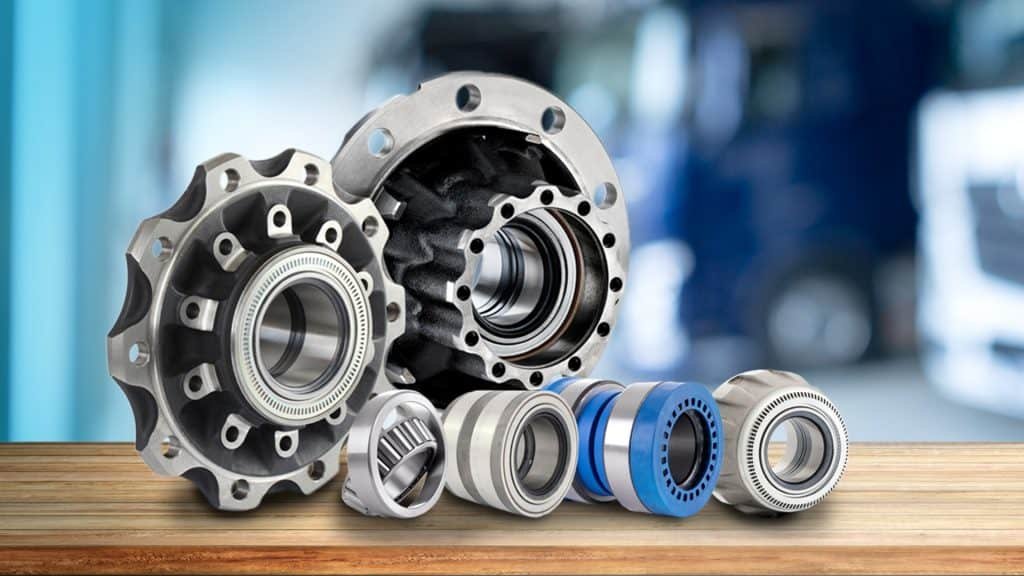
1. Definition of Truck Bearings
Truck bearings (commonly referred to as wheel bearings) are precision-engineered components that enable smooth rotation of the wheels while supporting the full weight of the vehicle. They are typically made of high-strength steel balls or rollers housed within a metal ring called a race.
These bearings are mounted inside the wheel hub assembly and serve three key functions:
- Reduce friction between moving parts
- Support heavy radial and axial loads
- Ensure smooth and stable wheel rotation
Without bearings, the wheels would not rotate efficiently, leading to excessive heat, wear, and eventual mechanical failure.
What Truck Parts Use Bearings?
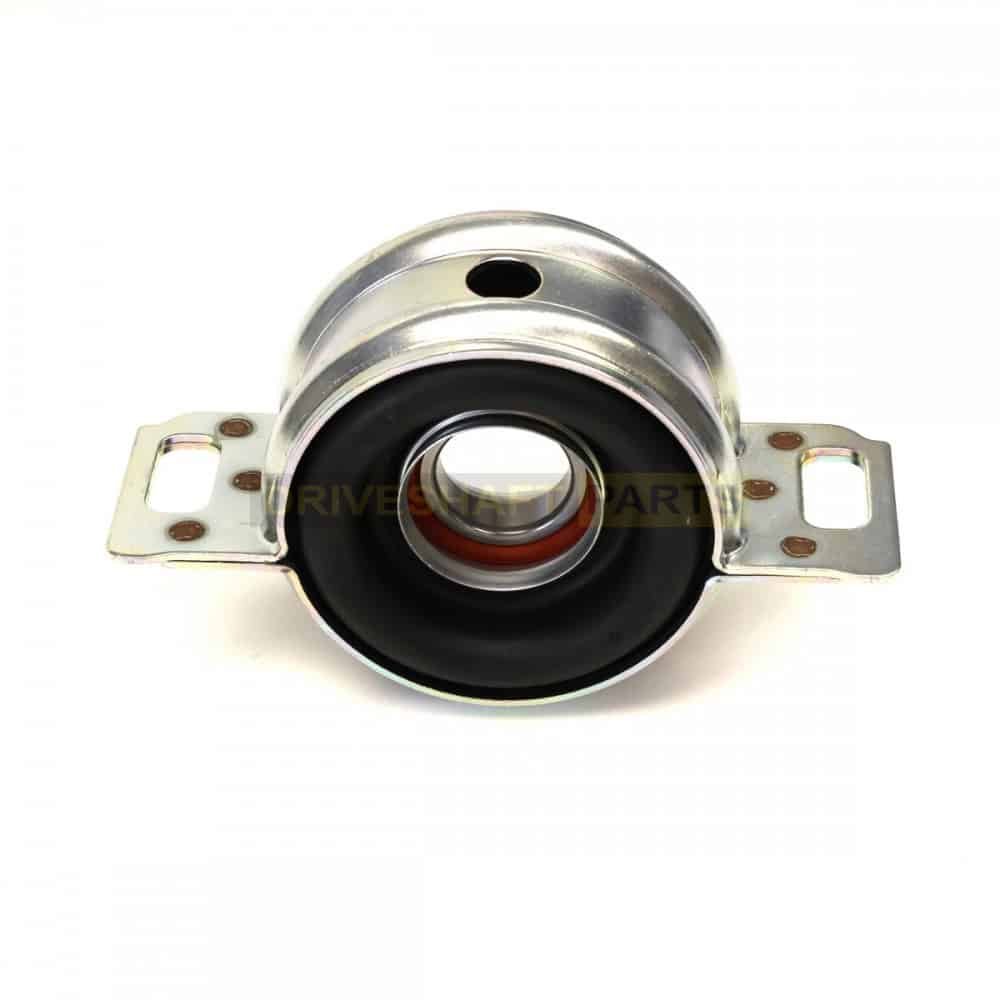
Truck bearings are not limited to one location—they are integrated across multiple vehicle systems. Each system uses specific bearing types designed for different loads, speeds, and operating conditions.
This section provides a clear, industry-style breakdown of truck bearing applications, similar to professional parts guides.
1. Wheel End System (Wheel Hub & Axle)
This is the most critical and highest-load bearing application in a truck.
Key Components:
- Wheel hub assembly
- Axle shaft
- Brake disc/drum interface
Bearings Used:
- Tapered roller bearings
- Hub bearing units (pre-assembled)
Function:
- Support full vehicle weight
- Allow wheel rotation with minimal friction
- Handle both radial and axial loads
2. Drivetrain System (Transmission & Differential)
Bearings are essential for power transmission inside the drivetrain.
Key Components:
- Transmission shafts
- Gear sets
- Differential (ring & pinion gears)
Bearings Used:
- Needle roller bearings
- Cylindrical roller bearings
- Tapered roller bearings
Function:
- Maintain shaft alignment
- Support high-speed rotation
- Reduce friction between gears
3. Driveshaft System (Carrier Bearing)
Long trucks use a multi-piece driveshaft supported by bearings.
Key Components:
- Driveshaft bearing
- Center support bearing (carrier bearing)
Bearings Used:
- Ball or roller carrier bearings
Function:
- Support rotating driveshaft
- Reduce vibration
- Maintain alignment over long distances
Failure here often causes high-speed vibration and noise.
4. Suspension System
Bearings are widely used in suspension components to allow controlled movement.
Key Components:
- Control arms
- Shock absorbers
- Strut mounts
- Steering knuckle
Bearings Used:
- Plain bearings (bushings)
- Ball bearings
Function:
- Absorb shocks
- Allow pivoting motion
- Improve ride comfort
5. Steering System
Steering requires precision and low friction, achieved through bearings.
Key Components:
- Steering column
- Steering gear
- Kingpin (heavy trucks)
Bearings Used:
- Needle bearings
- Bushings (plain bearings)
Function:
- Enable smooth steering rotation
- Reduce steering effort
- Improve control and responsiveness
6. Engine Internal System
Inside the engine, bearings operate under extreme temperature and speed.
Key Components:
- Crankshaft
- Connecting rods
- Camshaft
Bearings Used:
- Plain bearings (journal bearings)
Function:
- Support high-speed rotation
- Reduce metal-to-metal contact
- Maintain lubrication film
Failure here can lead to catastrophic engine damage.
7. Clutch System (Manual Trucks)
Manual transmission trucks use a dedicated bearing in the clutch system.
Key Components:
- Clutch release mechanism
Bearings Used:
- Release (throw-out) bearing
Function:
- Engage/disengage clutch smoothly
- Reduce friction during gear shifting
8. Auxiliary & Other Systems
Bearings are also found in supporting systems:
Applications:
- Alternator bearing
- Water pump bearing
- Air conditioning compressor bearing
Function:
- Support rotating components
- Ensure efficient operation of accessories
9. Bearing-Related Supporting Parts
A complete truck bearing system includes not just the bearing itself, but also supporting components:
Associated Parts:
- Seals (prevent contamination)
- Lubricants (grease/oil)
- Housings
- Spacers and lock nuts
Modern truck hub units are often pre-lubricated and sealed to reduce maintenance and improve durability.
Summary Table (Quick View)
| Truck System | Key Parts | Bearing Type | Main Function |
| Wheel End | Hub, axle | Tapered roller | Load support & rotation |
| Drivetrain | Transmission, differential | Needle / roller | Power transfer |
| Driveshaft | Carrier support | Ball/roller | Vibration reduction |
| Suspension | Control arms, struts | Bushings | Shock absorption |
| Steering | Column, kingpin | Needle / plain | Steering control |
| Engine | Crankshaft, camshaft | Plain bearing | High-speed support |
| Clutch | Release system | Thrust bearing | Smooth engagement |
2. Types of Bearings Used in Trucks
Depending on truck type and application, several bearing designs are commonly used:
a) Tapered Roller Bearings
- Widely used in heavy-duty trucks
- Handle both radial and axial loads
- Ideal for high-load and high-speed applications
b) Ball Bearings
- Common in light-duty trucks and pickups
- Lower friction, suitable for moderate loads
c) Hub Bearing Units (Hub Assemblies)
- Pre-assembled units including bearings, seals, and sensors
- Easy installation and maintenance
- Common in modern trucks with ABS systems
d) Cylindrical Roller Bearings
- Used in specialized truck applications
- High load capacity but limited axial support
3. Where Are Bearings Located on a Truck?
Truck bearings are found in multiple key areas:
- Wheel hubs (front and rear) – most critical location
- Transmission system – supports rotating shafts
- Differential assembly – ensures smooth torque transfer
- Engine components – such as crankshaft bearings
Among these, wheel hub bearings are the most frequently replaced due to constant exposure to load, heat, and contamination.
4. Why Truck Bearings Are So Important
Truck bearings are essential for:
- Vehicle stability and handling
- Efficient fuel consumption (reduced friction)
- Safe braking and steering
- Long-term durability of the axle and suspension
They are designed to last up to 85,000–100,000 miles under normal conditions, but heavy loads, poor roads, and contamination can significantly shorten their lifespan.
How to Tell If Bearings Are Bad on a Truck
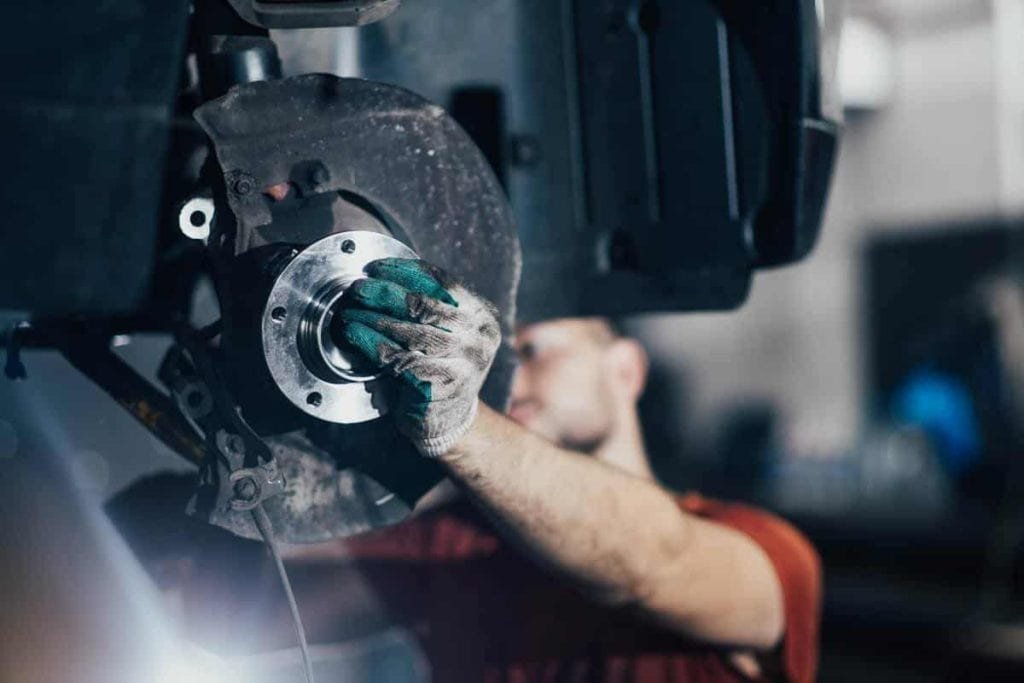
Recognizing early signs of bearing failure can save thousands of dollars in repairs and prevent dangerous accidents.
1. Unusual Noises (Most Common Symptom)
The first warning sign is often sound. Bad truck bearings typically produce:
- Humming or droning noise
- Grinding or growling sound
- Noise that increases with speed
These noises are usually caused by internal wear or lack of lubrication.
2. Vibration in Steering or Cabin
As the bearing wears out, internal looseness develops, leading to:
- Steering wheel vibration
- Shaking at higher speeds
- Reduced driving comfort
This occurs because the wheel no longer rotates smoothly.
3. Wheel Play or Looseness
A worn bearing can create excessive clearance, causing:
- Loose or wobbly wheel
- Clunking noises over bumps
- Reduced steering precision
In severe cases, this can lead to dangerous wheel instability.
4. Uneven Tire Wear
Damaged bearings can affect wheel alignment, resulting in:
- Irregular tire wear patterns
- Faster tire degradation
- Increased maintenance costs
5. ABS Warning Light
Modern truck bearings often include integrated ABS sensors. When the bearing fails:
- Sensor readings become inaccurate
- ABS warning light may activate
6. Pulling to One Side
A failing bearing may create uneven resistance, causing the truck to:
- Drift or pull left/right
- Feel unstable during driving
7. Heat Around the Wheel Hub
Excess friction from a worn bearing generates heat, which may lead to:
- Overheating hubs
- Burning smell
- Potential seizure of the bearing
8. What Happens If You Ignore Bad Bearings?
Driving with damaged truck bearings can lead to:
- Brake system damage
- Axle or hub failure
- Complete wheel detachment (extreme cases)
This is why immediate inspection and replacement are critical for safety.
How Much Does It Cost to Replace Bearings on a Truck?
The cost of replacing truck bearings varies widely depending on truck type, bearing design, and labor complexity.
1. Average Replacement Cost
Typical cost per wheel:
- Parts: $80 – $350
- Labor: $120 – $450
- Total: $200 – $800 per wheel
For heavy-duty trucks, costs can be significantly higher due to:
- Larger bearing sizes
- Higher load capacity requirements
- More complex installation
2. Factors That Affect Cost
a) Type of Bearing
- Hub assemblies are more expensive but easier to install
- Loose bearings are cheaper but require more labor
b) Truck Size and Application
- Light-duty trucks: lower cost
- Heavy-duty/commercial trucks: higher cost
c) Labor Complexity
- Front bearings often cost more due to steering components
- Rear bearings may be simpler depending on axle design
d) ABS Integration
- Bearings with sensors increase part cost
3. DIY vs Professional Replacement
DIY Replacement
- Lower cost
- Requires tools and technical skill
- Risk of improper installation
Professional Service
- Higher cost
- Ensures correct installation
- Reduces risk of failure
4. Cost of Ignoring the Problem
Delaying replacement can lead to:
- Damage to hub, axle, and suspension
- Increased repair costs (up to thousands)
- Safety hazards and downtime
Truck Bearing Maintenance Tips
To maximize bearing lifespan and performance:
1. Regular Inspection
- Check for noise, vibration, and looseness
- Inspect during routine maintenance
2. Proper Lubrication
- Ensure grease quality and sealing integrity
- Prevent contamination from water and dirt
3. Avoid Overloading
- Exceeding load capacity accelerates wear
4. Use High-Quality Bearings
- Choose reliable manufacturers like BYWB Bearing
- Ensure proper material and sealing design
5. Replace Seals When Needed
- Damaged seals allow contaminants inside
- This is a major cause of premature failure
Choosing the Right Truck Bearing Supplier
When selecting truck bearings, consider:
- Material quality (chrome steel, heat treatment)
- Sealing solutions (ZZ, rubber seals, triple lip seals)
- Load rating and durability
- OEM compatibility and cross-reference numbers
- Manufacturer reliability and certifications
BYWB Bearing provides:
- High-performance truck wheel bearings
- OEM replacement solutions
- Custom engineering for heavy-duty applications
- Competitive pricing with global shipping
Conclusion
Truck bearings are essential components that ensure smooth operation, safety, and durability of your vehicle. From supporting massive loads to enabling efficient wheel rotation, they play a critical role in every truck’s performance.
Understanding the basics—such as types of bearings, warning signs of failure, and replacement costs—helps fleet operators and vehicle owners make smarter maintenance decisions.
Key takeaways:
- Truck bearings reduce friction and support vehicle weight
- Early symptoms include noise, vibration, and wheel looseness
- Replacement costs typically range from $200 to $800 per wheel
- Regular maintenance and high-quality bearings extend lifespan
Investing in reliable truck bearings from trusted suppliers like BYWB Bearing is not just about performance—it’s about safety, efficiency, and long-term cost savings.
FAQ Section
1. What are the bearings on a truck?
Truck bearings are components inside the wheel hub that allow the wheels to rotate smoothly while supporting the vehicle’s weight and reducing friction.
2. How do I know if my truck wheel bearing is bad?
Common signs include humming or grinding noise, vibration, uneven tire wear, wheel looseness, and ABS warning light activation.
3. How much does it cost to replace truck bearings?
Truck bearing replacement typically costs between $200 and $800 per wheel, depending on the truck type, bearing design, and labor costs.
4. Can I drive with a bad truck wheel bearing?
Driving with a bad bearing is dangerous and can lead to wheel failure, brake damage, or accidents. Immediate replacement is recommended.
5. How long do truck wheel bearings last?
Under normal conditions, truck bearings last around 85,000 to 100,000 miles, but heavy loads and poor maintenance can shorten their lifespan.
6. What causes truck bearing failure?
Common causes include lack of lubrication, contamination (water/dirt), overloading, poor installation, and worn seals.
