
Quick overview — what is a 6800 bearing?
The 6800 is a thin-section deep-groove ball bearing in the 6800 metric family. The most common member — the 6800 — is prized for its low cross-section and compact profile, making it ideal where radial space is limited: small electric motors, precision gearboxes, RC/hobby parts, and fishing reels.
6800 bearing specifications (typical)

Designation: 6800 (variants include 6800-2RS, 6800-ZZ, S6800, SS6800, hybrid/ceramic versions, etc.)
Nominal dimensions (6800): 10 mm (bore) × 19 mm (outer) × 5 mm (width) (d × D × B).
Materials: common options are chrome bearing steel (standard), stainless steel (for corrosion resistance), and hybrid ceramic (ceramic balls with steel races) for lower friction and improved wear performance.
Variants: open (no shields), ZZ (metal shields), 2RS (rubber seals both sides), and higher-sealing lip designs for more demanding environments. Precision grades (tighter tolerances) are available for high-performance applications.
What size are the 6800 bearings?

The canonical 6800 bearing size is 10 × 19 × 5 mm.
Bore (d): 10 mm
Outer diameter (D): 19 mm
Width (B): 5 mm
The 5 mm width is what makes the 6800 a thin-section bearing; thin-section bearings are chosen when designers need to keep assemblies slim without sacrificing rotational capability.
What is the load capacity of the 6800 bearing?
Load capacity varies by manufacturer, internal design (ball size/count, cage), material, and lubrication. As a rule:
Thin-section limitation: Because the 6800 is a thin-section bearing, its absolute radial load capacity is lower than a full-section bearing with the same bore diameter.
Typical use case: Designed for moderate radial loads and applications that prioritize low cross-section and high rotational speed.
Selection tip: For heavy radial or shock loads choose a fuller-section series (e.g., 6200/6300) or a larger thin-section member with greater width/ball diameter.
For project-critical designs, always check the precise dynamic and static load ratings from the specific product datasheet or supplier.
6800 bearing sealing solutions — which one to choose?
Seals and shields control contamination ingress and lubrication retention — but they also affect friction.
Open: Lowest friction, but needs protection and periodic relubrication. Good for controlled, clean environments.
ZZ (metal shield): Thin metal shields give moderate protection with minimal extra drag. Good compromise for many reel/motor uses.
2RS (rubber seals both sides): Better contamination protection and grease retention — slightly higher drag. Ideal where maintenance intervals are long or environments are dirty.
Special lip seals / manufacturer codes: Some makers use proprietary seal codes (LLU, LLB, etc.) for higher sealing performance.
Sealing choice by environment:
For low-drag performance (freshwater reels, performance motors) consider open or ZZ.
For saltwater / dirty conditions, choose stainless material + 2RS seals or coated bearings for corrosion protection.
What is the 6800 bearing used for? (focus: fishing reels)
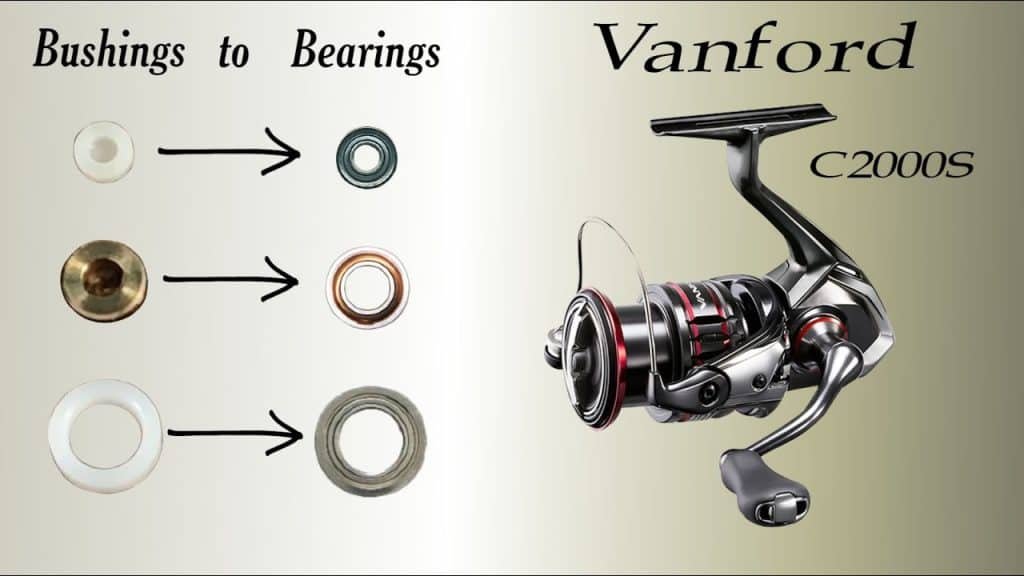
General uses: small motors, precision gearboxes, robotics, RC/hobby, spindles, and any design needing a thin, compact bearing.
Fishing reels (why 6800 is popular):
The 10×19×5 mm size fits many spool shafts and narrow reel housings used in spinning and baitcasting reels.
The 5 mm width allows compact stacking and tight drive geometry, helping designers reduce handle-to-spool spacing.
Low-friction options (open/ZZ or hybrid-ceramic) improve free-spool and casting distance — favored by performance tuners.
Stainless + sealed variants are preferred for saltwater reels to resist corrosion and reduce maintenance.
Practical reel guidance:
Freshwater/performance tuning: hybrid ceramic balls with open or lightly shielded housings for minimal drag.
Saltwater / surf fishing: stainless steel bearings with 2RS seals or special coatings to resist corrosion and extend service life.
6800 series size chart
Common members of the 6800 thin-series (d × D × B in mm):
| Series | d (mm) | D (mm) | B (mm) |
| 6800 | 10 | 19 | 5 |
| 6801 | 12 | 21 | 5 |
| 6802 | 15 | 24 | 5 |
| 6803 | 17 | 26 | 5 |
| 6804 | 20 | 32 | 7 |
| 6805 | 25 | 37 | 7 |
| 6806 | 30 | 42 | 7 |
| 6807 | 35 | 47 | 7 |
| 6808 | 40 | 52 | 7 |
| 6809 | 45 | 58 | 7 |
| 6810 | 50 | 65 | 7 |
Note: dimensions for special designs or proprietary variants may differ slightly — verify with the manufacturer’s catalog when exact fits are critical.
Tips for selecting and installing 6800 bearings
- Match size and tolerance: Confirm bore, OD, width and tolerance class (runout/precision). For precision reels choose tighter tolerance grades.
- Material & environment: Stainless or coated bearings for corrosion resistance; hybrid ceramic for low friction and higher speed capability.
- Seals vs drag tradeoff: Sealed bearings reduce maintenance but slightly increase drag; choose by whether you prioritize cast feel or longevity.
- Lubrication: Sealed bearings often come factory-lubed. For open bearings use a light, high-speed grease for reels or a thin oil for minimum drag.
- Correct mounting: Avoid pressing on the wrong race. Use sleeves or presses to prevent race distortion and premature failure.
BYWB Bearing recommendations
BYWB offers 6800-series bearings in chrome steel, stainless (SS6800), and hybrid ceramic variants with open, ZZ and 2RS options suitable for reels and motors.
Recommendation for reels:
Freshwater performance: hybrid ceramic open/ZZ for low drag.
Saltwater use: stainless 6800-2RS for corrosion protection and reduced maintenance.
If you want BYWB to prepare a quote with ABEC grade, coatings, and lubrication recommendations, provide the application (freshwater/saltwater/motor), quantity, and any precision requirements.
What ABEC should you pick for a 6800 bearing?
Every ABEC class is available for 6800 bearings (manufacturers can produce 6800 in ABEC 1–9), but availability depends on maker and material (stainless/hybrid/steel) and whether the bearing is shielded/sealed.
For most 6800 uses (including many fishing reels): ABEC 1 or ABEC 3 is usually perfectly adequate. Fishing reels are not ultra-high RPM precision machines; other factors (material, seals, corrosion resistance, lubrication, number of bearings) are more influential on feel and longevity.
For performance-tuned reels or very low-drag builds: ABEC 5 is a reasonable step up (or choose hybrid-ceramic balls + ABEC 5/7) to reduce vibration and improve smoothness.
For saltwater and durability-first builds: prioritize stainless or coated bearings with good seals (2RS) over pushing ABEC up — corrosion and sealing matter more than ABEC class here.
Conclusion
The 6800 (10×19×5 mm) is a thin-profile deep-groove ball bearing designed for space-limited, medium-load, high-speed applications — making it a natural fit for electric motors, RC/hobby devices, and especially fishing reels. Choose the right material (chrome, stainless, hybrid ceramic) and seal (open, ZZ, 2RS) for your environment: low drag for performance reels or sealed stainless for saltwater durability. For final selection always consult the manufacturer’s detailed specifications to confirm load ratings, limiting speeds, and tolerance classes.
