
When it comes to industrial machinery and automotive applications, oil seals play a crucial role in maintaining efficiency and preventing costly damage. Despite their importance, many people aren’t fully aware of what oil seals are, their materials, types, or how to detect a failing seal. This article provides an in-depth guide to oil seals, helping you understand their function, materials, types, signs of wear, and how to choose the right oil seal for your needs.
1. What Are Oil Seals?

An oil seal, also known as a shaft seal or lip seal, is a mechanical component used to seal the gap between rotating and stationary parts in machinery to prevent the leakage of fluids (usually oil or grease) and contaminants from entering the system. These seals are critical for maintaining proper lubrication and ensuring the longevity and performance of machines.
Oil seals work by creating a barrier between two components in a rotating assembly. Typically installed in engines, transmissions, pumps, and motors, they help retain oil in the system while preventing dirt, water, and debris from entering the machinery. They are generally designed with a flexible elastomeric lip that conforms to the rotating shaft, ensuring a tight seal under various operating conditions.
For a more technical and detailed explanation, refer to https://bywbbearing.com/.
How Do Oil Seals Function?
Oil seals function through their lip design, which is engineered to create an airtight seal around the shaft or component. This prevents oil from leaking while also keeping harmful contaminants out. The lip is typically coated with a thin layer of lubricant that allows it to form a consistent seal against the rotating shaft. Some oil seals are also equipped with additional features, such as metal reinforcing elements or secondary seals, to further enhance their efficiency and lifespan.
2. Oil Seal Materials
The material choice for oil seals plays a significant role in their performance, durability, and resistance to environmental conditions. The most commonly used materials for oil seals are elastomers, including rubber compounds, thermoplastics, and other synthetic materials. The right material ensures the oil seal can withstand the temperature, pressure, and chemical environments it will be exposed to during its service life.
Here are the primary materials used in oil seals:
Elastomeric Materials (Rubber Seals)
Rubber is the most common material used for oil seals due to its excellent flexibility, resilience, and ability to provide a reliable seal. Common rubber compounds include:
- Nitrile Rubber (NBR): NBR seals are commonly used in applications involving petroleum-based oils and greases. They offer good resistance to abrasion, aging, and wear.
- Fluorocarbon Rubber (FKM): FKM seals, like Viton, are used in high-temperature and chemical-resistant applications.
- Polyurethane (PU): PU seals provide excellent wear resistance and are used in applications requiring high durability.
Thermoplastic Materials (Plastic Seals)
Thermoplastics are used in oil seals when high-temperature resistance and lower friction are required. Materials such as PTFE (Polytetrafluoroethylene) are often used in high-performance oil seals, especially in hydraulic systems, due to their excellent chemical resistance and low friction properties.
Metal-Reinforced Materials
Some oil seals include a metal casing, which provides structural integrity and resistance to deformation under extreme pressure or temperature. The metal casing allows the seal to maintain its shape and functionality even in challenging conditions.
For more information on material selection and their specific applications, refer to https://bywbbearing.com/
3. Types of Oil Seals
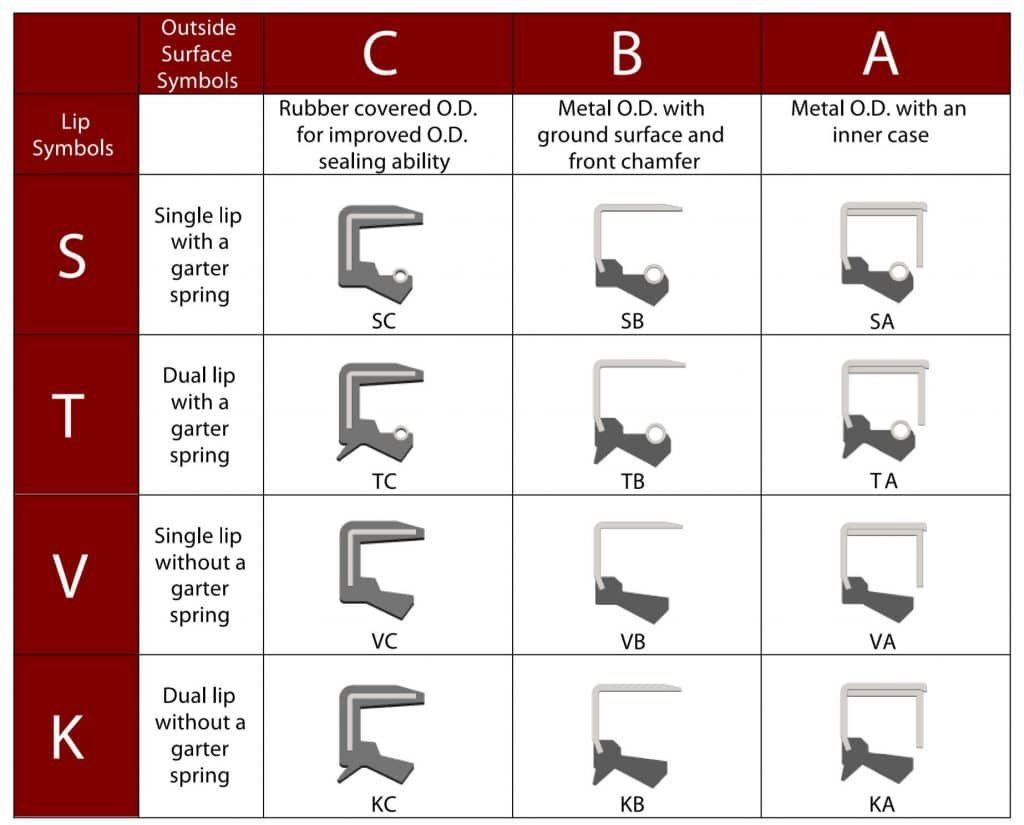
Oil seals come in various types, each designed to suit different applications. The most common types of oil seals are:
1. Radial Lip Seals
Radial lip seals are the most common type of oil seal used to prevent leakage around rotating shafts. They consist of a flexible lip that presses against the shaft and provides a tight seal to prevent oil or grease from leaking. These seals are primarily used in automotive, industrial machinery, and hydraulic systems.
2. Axial Seals
Axial seals are designed to seal static components or stationary parts, preventing contaminants from entering the system. These are typically used in applications where the rotating shaft is not involved but still requires sealing.
3. Tandem Seals
Tandem seals are two seals installed in series, one behind the other. These seals provide double protection against leakage, making them ideal for high-pressure applications or situations where one seal is not sufficient.
4. V-Ring Seals
V-ring seals are used in applications where there is little radial space available. They are flexible seals made of rubber and are commonly used in areas where the seal needs to provide protection against dirt, water, and other contaminants. V-ring seals are commonly seen in agricultural machinery, automotive engines, and industrial applications.
5. Mechanical Face Seals
Mechanical face seals are designed for applications with higher pressure and temperature requirements. These seals create a strong seal at the interface between two surfaces by using mechanical pressure, often used in pumps and compressors.
For a more detailed understanding of the various types, you can visit https://bywbbearing.com/
4. How Do You Know If Oil Seals Are Bad?
Over time, oil seals can wear out or fail due to several factors, including age, temperature fluctuations, pressure changes, and contamination. Identifying a bad oil seal early on can prevent costly damage and downtime. Here are some common signs that indicate your oil seal may be bad:
1. Oil Leaks
The most obvious sign of a bad oil seal is an oil leak. If you notice oil around the seal or a drop in oil levels, it’s a clear indication that the seal is no longer functioning correctly.
2. Excessive Wear on the Shaft or Housing
When an oil seal fails, it may cause excessive wear on the shaft or housing due to friction, which can lead to further damage if not addressed promptly. Look for unusual markings, scratches, or discoloration around the sealing area.
3. Noise or Vibration
A worn or damaged oil seal can cause the machinery to vibrate or make unusual noises due to the improper sealing of fluids. If the machinery is making noise that it didn’t before, it might be time to inspect the oil seals.
4. Contamination of Fluid
If contaminants like dust, dirt, or water are entering the system, it indicates that the oil seal is compromised and cannot properly keep foreign particles out. Contamination can lead to performance issues and damage to the internal components of the machinery.
For more detailed insights, refer to https://bywbbearing.com/.
5. Oil Seal Applications in Automobiles
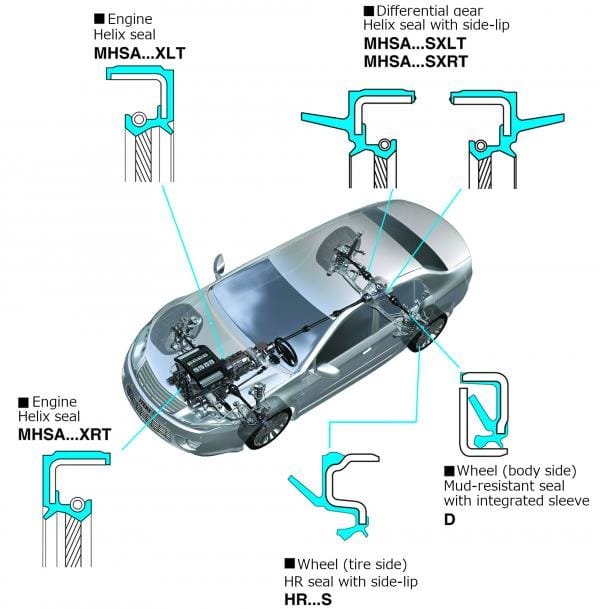
Oil seals are essential components in the automobile industry, playing a crucial role in various parts of the vehicle, from the engine to the transmission and differential. These seals help ensure proper lubrication, prevent fluid leaks, and protect the internal components from contaminants. Below are some of the key applications of oil seals in automobiles:
1. Engine Components
In an automobile engine, oil seals are used extensively to maintain proper lubrication and prevent leaks. Some of the critical engine applications include:
Crankshaft Seals: The crankshaft oil seal is located at both ends of the crankshaft. These seals prevent oil from leaking out of the engine and ensure that the crankcase remains properly lubricated. They also help keep dirt and debris from entering the engine, which could cause severe damage.
Camshaft Seals: Similar to the crankshaft seal, the camshaft oil seal is used to prevent oil leaks from the camshaft and ensure proper lubrication of the engine components driven by the camshaft. These seals are critical for maintaining engine efficiency and performance.
Timing Belt Seals: Timing belt oil seals are used to prevent oil leaks from the area around the timing belt, which could lead to contamination or slipping of the belt. These seals help ensure the longevity and proper operation of the timing system in the engine.
2. Transmission Systems
Oil seals play a vital role in maintaining the efficiency of transmission systems by preventing fluid leaks and ensuring the smooth operation of gears. Common applications include:
Input and Output Shaft Seals: These seals are used to protect the input and output shafts of manual and automatic transmissions. They prevent transmission fluid from leaking out while keeping contaminants out of the system.
Differential Seals: The differential, which helps distribute power to the wheels, is another component that relies heavily on oil seals. Seals are placed around the differential housing to prevent leakage of the differential fluid, ensuring smooth power distribution and protecting internal gears.
3. Wheel Bearings and Axles
Oil seals are also crucial for wheel bearings and axles, preventing grease or oil from leaking out of these systems. In vehicles with four-wheel drive (4WD) or all-wheel drive (AWD), oil seals are used to seal the axle shafts at the differential and at the wheel hubs, preventing oil loss and ensuring that the wheels receive adequate lubrication for optimal performance.
4. Power Steering and Hydraulic Systems
Power steering systems use hydraulic fluid to assist with steering. Oil seals in these systems help prevent fluid from leaking, ensuring smooth steering operation. Similarly, seals are used in other hydraulic systems within the vehicle, such as brake systems, suspension systems, and shock absorbers, to prevent the loss of fluid and protect against contamination.
5. Oil Filter Housing and Valve Seals
In addition to protecting the internal components, oil seals are used in valve stems and oil filter housing in vehicles. These seals help maintain proper pressure within the system and prevent leakage of oil from the valve covers or oil filter assembly.
6. Wheel Hub and Bearing Seals
For automotive wheel bearings, oil seals provide protection by ensuring that grease or oil stays inside the bearing housing, preventing contaminants like dirt and water from entering. These seals also help reduce wear and extend the lifespan of the bearings, which are crucial for safe vehicle operation.
7. Axle and Driveshaft Seals
In front-wheel drive (FWD), rear-wheel drive (RWD), and all-wheel drive (AWD) vehicles, oil seals are used in the axles and driveshafts to prevent grease from leaking out of these critical components. These seals ensure proper lubrication within the driveline and protect against contamination from dirt and moisture.
Benefits of Oil Seals in Automobiles
Leak Prevention: Oil seals help maintain a closed system, preventing fluid leaks from critical components such as the engine, transmission, and differential. This ensures that the vehicle operates efficiently and reduces the risk of damage from oil loss or contamination.
Contamination Control: Oil seals help protect against the entry of dirt, water, and other contaminants, which could damage internal parts of the vehicle’s engine or transmission. By ensuring clean lubrication, oil seals contribute to smoother operation and longer-lasting components.
Enhanced Performance: Proper lubrication and sealing result in better performance, reduced friction, and lower wear and tear on moving parts. This ultimately contributes to improved fuel efficiency and reduced maintenance costs.
In summary, oil seals are indispensable in automotive design and maintenance, as they ensure the proper function of critical vehicle components. Whether it’s maintaining lubrication, preventing leaks, or keeping contaminants out, oil seals play a key role in the smooth operation and longevity of your vehicle.
6. Conclusion
Oil seals are a vital component in various machinery and automotive systems, ensuring that oils and lubricants stay contained while preventing contaminants from entering and causing damage. Understanding the types, materials, and functionality of oil seals can help you choose the best option for your specific needs. Additionally, knowing how to identify a failing seal can save time, money, and effort in preventing costly repairs.
