
12 Common Bearing Failure Modes, Causes & Prevention Guide
Introduction
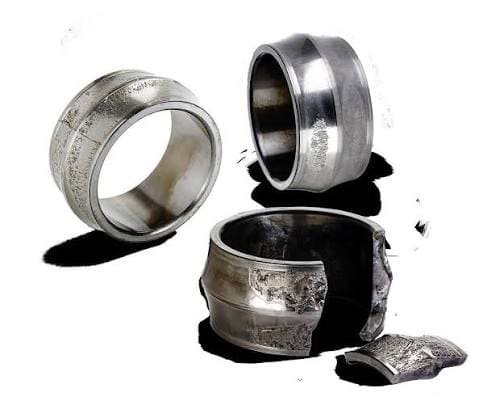
Bearings are one of the most important mechanical components in modern rotating equipment. From electric motors and industrial machines to automotive systems, agricultural equipment, motorcycles, and precision instruments, bearings play a critical role in reducing friction, supporting loads, and ensuring smooth rotational movement.
Although high-quality bearings are designed to provide long service life under demanding operating conditions, premature bearing failure still occurs frequently in real-world applications. A bearing that fails unexpectedly can lead to equipment downtime, production delays, increased maintenance costs, and even damage to other mechanical components.
Many bearing failures are not caused by manufacturing defects. In most cases, failures are related to operating conditions, installation procedures, lubrication practices, environmental contamination, or incorrect bearing selection.
Common factors that shorten bearing life include:
- Insufficient or incorrect lubrication
- Contamination from dust, water, or chemicals
- Incorrect installation methods
- Shaft and housing misalignment
- Excessive loading
- Improper storage conditions
- Electrical current damage
- Operating beyond the designed speed or temperature limits
Industry experience shows that lubrication-related problems are among the leading causes of premature bearing failure. Poor lubrication can increase friction, generate excessive heat, accelerate wear, and eventually cause severe damage to bearing raceways and rolling elements.
Understanding bearing failure analysis allows engineers and maintenance teams to identify the real cause behind a damaged bearing instead of simply replacing failed parts. By analyzing failure patterns, companies can improve equipment reliability, reduce unexpected downtime, and extend bearing service life.
In this comprehensive guide, BYWB Bearing explains the most common bearing failure modes, their causes, inspection methods, and practical prevention solutions to help engineers select and maintain bearings more effectively.
What Is Bearing Failure Analysis?
Bearing failure analysis is a systematic process used to determine why a bearing has failed and what corrective actions should be taken to prevent future problems.
When a bearing fails, the visible damage is usually only the final result of a much earlier problem. For example, a damaged raceway may appear to be caused by excessive load, but further investigation may reveal that insufficient lubrication or contamination caused accelerated wear before the final failure occurred.
A professional bearing failure analysis normally includes several inspection steps:
1. Lubrication Failure
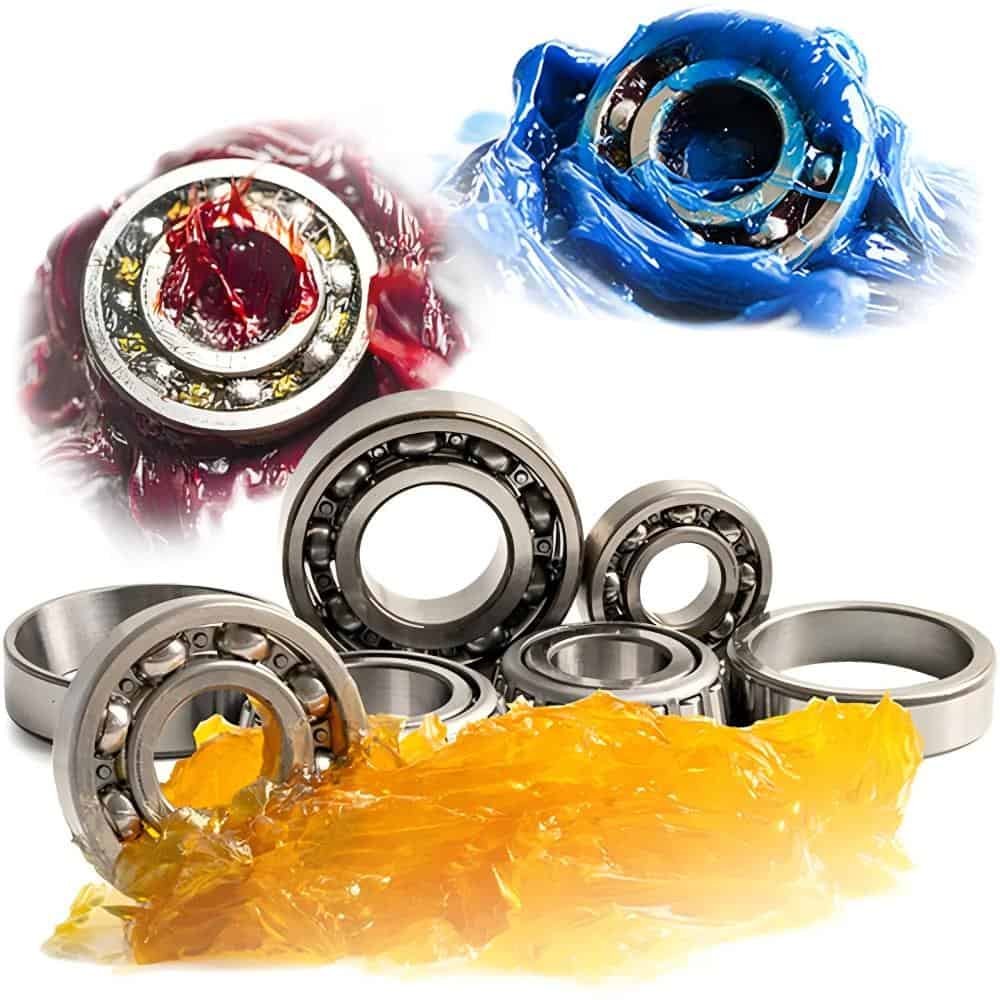
Lubrication failure is one of the most common reasons for premature bearing damage. Bearings rely on a thin lubricant film between rolling elements and raceways to reduce friction and prevent direct metal-to-metal contact.
When lubrication is insufficient, contaminated, or incorrectly selected, the protective oil film can break down. This causes increased friction, higher operating temperatures, accelerated wear, and eventually severe bearing damage.
Common Causes
- Insufficient grease or oil supply
- Incorrect lubricant viscosity
- Using grease unsuitable for operating temperature
- Mixing incompatible grease types
- Excessive lubrication
Typical Symptoms
A bearing suffering from lubrication problems may show:
- Blue or brown discoloration caused by overheating
- Surface scoring on raceways
- Abnormal noise during operation
- Increased vibration
- Higher operating temperature
Prevention Methods
To prevent lubrication-related failures:
- Select grease according to speed, load, and temperature requirements.
- Follow recommended lubrication intervals.
- Avoid mixing different grease types unless compatibility is confirmed.
- Maintain proper sealing to prevent lubricant contamination.
For applications such as electric motors, automotive components, and industrial machinery, choosing the correct bearing grease can significantly improve service life.
2. Contamination Damage
Contamination is another major cause of bearing failure, especially in harsh environments such as agricultural equipment, motorcycles, construction machinery, and outdoor applications.
Even small particles entering a bearing can create surface damage. Dust, sand, metal chips, water, and chemical substances may damage rolling elements and raceways during operation.
Because bearings operate with extremely small internal clearances, contamination can quickly lead to abnormal wear.
Common Contaminants
- Dust and dirt
- Water and moisture
- Metal particles
- Manufacturing debris
- Chemicals
Typical Symptoms
Contaminated bearings often show:
- Scratches on raceways
- Surface dents
- Abrasive wear marks
- Rust formation
- Increased operating noise
Prevention Methods
Effective contamination control includes:
- Using sealed bearings such as 2RS or ZZ designs
- Improving equipment protection systems
- Maintaining clean installation environments
- Properly storing unused bearings
- Avoiding contact with dirty tools or surfaces
For outdoor applications such as ATV wheel bearings and motorcycle bearings, high-quality sealing solutions are essential for preventing water and dust intrusion.
3. Improper Installation
Even a high-quality bearing can fail quickly if it is installed incorrectly.
Many premature failures occur because excessive force is applied during mounting, damaging internal components before the bearing even begins operation.
A common mistake is hitting the bearing directly with a hammer. This can create impact marks on raceways, known as brinelling, which later develop into vibration and noise problems.
Common Installation Errors
- Applying force to the wrong bearing ring
- Using improper tools
- Installing with excessive interference
- Contaminating the bearing during installation
- Incorrect shaft or housing fit
Symptoms
Installation damage may cause:
- Early vibration
- Abnormal noise
- Uneven wear
- Reduced bearing life
Prevention Methods
Best practices include:
- Use professional bearing mounting tools.
- Apply installation force only to the fitted ring.
- Verify shaft and housing tolerances.
- Keep bearings clean during assembly.
Proper installation is especially important for precision applications such as miniature bearings, robotics, and high-speed equipment.
4. Bearing Misalignment
Misalignment occurs when the bearing shaft and housing are not properly aligned.
When alignment is incorrect, the load distribution inside the bearing becomes uneven. Some rolling elements may carry excessive load while others carry insufficient load.
This uneven stress accelerates fatigue and wear.
Common Causes
- Bent shafts
- Incorrect housing machining
- Poor assembly accuracy
- Shaft deflection under load
Symptoms
Misalignment can cause:
- Uneven raceway wear
- Increased vibration
- Higher operating temperature
- Premature fatigue failure
Prevention Methods
To reduce misalignment problems:
- Check shaft straightness.
- Verify housing accuracy.
- Perform alignment inspections.
- Use self-aligning bearing designs when required.
5. Overloading
Every bearing has specific dynamic and static load ratings. Operating beyond these limits can permanently damage internal components.
Excessive loads create high contact stress between rolling elements and raceways, causing deformation or premature fatigue.
Common Causes
- Incorrect bearing selection
- Heavy impact loads
- Machine overload
- Excessive belt tension
- Improper design calculations
Damage Symptoms
Overloaded bearings may develop:
- Raceway indentation
- Cracks
- Plastic deformation
- Early spalling
Prevention Methods
Engineers should:
- Calculate required load capacity before selection.
- Consider shock loads and operating conditions.
- Choose bearings with appropriate safety margins.
Correct bearing selection is one of the most important steps in achieving long service life.
6. Corrosion Damage
Bearings operating in humid or chemically aggressive environments may experience corrosion.
Rust damages bearing surfaces and reduces the smooth contact between rolling elements and raceways.
Common Causes
- Water penetration
- High humidity
- Salt spray
- Chemical exposure
- Improper storage
Symptoms
Corrosion damage includes:
- Rust marks
- Surface roughness
- Raceway discoloration
- Increased friction
Prevention Methods
Solutions include:
- Using stainless steel bearings when necessary
- Selecting corrosion-resistant materials
- Improving sealing protection
- Applying proper storage methods
For marine equipment, food processing machines, and outdoor systems, stainless steel bearings provide improved corrosion resistance.
7. Electrical Damage (Electrical Erosion)
Electrical damage is a common bearing failure problem in electric motors, generators, wind turbines, and equipment using variable frequency drives (VFDs).
When electrical current passes through a bearing, it can create small electrical arcs between rolling elements and raceways. These electrical discharges damage the metal surface and gradually create microscopic pits.
Over time, this damage develops into visible fluting patterns and severe vibration problems.
Common Causes
Electrical bearing damage is usually caused by:
- Current leakage through the bearing
- Poor grounding systems
- Variable frequency drive (VFD) applications
- Insufficient electrical insulation
Typical Symptoms
Failed bearings may show:
- Fluting marks on raceways
- Frosted or gray surface appearance
- Burn marks
- Increased vibration
- Abnormal operating noise
Prevention Methods
To prevent electrical erosion:
- Use insulated bearings when required.
- Improve motor grounding.
- Install shaft grounding systems.
- Select appropriate bearing designs for inverter-driven motors.
For electric motor applications, selecting the correct bearing solution during the design stage can prevent expensive failures caused by electrical current damage.
8. Fatigue Spalling
Fatigue spalling is one of the most common natural failure modes of rolling bearings.
During operation, bearings experience millions of load cycles. Over time, repeated stress can create microscopic cracks beneath the raceway surface. Eventually, small pieces of material break away, creating a condition known as spalling.
Unlike lubrication failure or contamination damage, fatigue failure is often related to the bearing’s normal service life.
However, improper operating conditions can significantly accelerate the process.
Common Causes
- Excessive load
- Incorrect bearing selection
- High operating temperature
- Insufficient lubrication
- Misalignment
Symptoms
Typical signs include:
- Small pits on raceways
- Flaking metal surfaces
- Increased vibration
- Growing operating noise
Prevention Methods
To extend bearing fatigue life:
- Select bearings according to actual load requirements.
- Avoid operating beyond rated capacity.
- Maintain proper lubrication.
- Control operating temperature.
Correct bearing selection is essential because a bearing designed for light loads cannot reliably handle heavy-duty applications.
9. False Brinelling
False brinelling occurs when a bearing experiences vibration or small movements while not rotating.
Unlike normal brinelling caused by excessive impact loads, false brinelling is caused by repeated micro-movements that remove lubricant from contact areas and create wear marks.
This problem frequently occurs during transportation, storage, or when equipment remains idle for long periods.
Common Applications Where False Brinelling Happens
- Electric motors during shipment
- Vehicles stored for long periods
- Industrial equipment in standby mode
- Machines exposed to external vibration
Symptoms
Common signs include:
- Wear marks on raceways
- Rust-colored debris
- Increased noise after startup
- Vibration problems
Prevention Methods
Solutions include:
- Using proper anti-vibration packaging.
- Locking rotating components during transportation.
- Regularly rotating stored machinery.
- Maintaining suitable storage conditions.
For OEM customers shipping equipment globally, correct bearing packaging is an important factor in preventing transportation-related damage.
10. Fretting Corrosion
Fretting corrosion occurs when there is small relative movement between the bearing and shaft or housing.
Although the movement may be extremely small, repeated vibration can gradually remove material from the contact surfaces. The worn particles then oxidize, creating reddish-brown corrosion marks.
Common Causes
- Loose shaft fit
- Incorrect bearing tolerance
- Excessive vibration
- Improper mounting design
Symptoms
Typical signs include:
- Red or brown powder around the bearing seat
- Wear marks on shaft surfaces
- Loose bearing fit
- Increased vibration
Prevention Methods
To prevent fretting corrosion:
- Use correct shaft and housing tolerances.
- Verify mounting conditions.
- Select appropriate fits according to load requirements.
- Reduce external vibration.
Proper engineering design before production is often the most effective way to eliminate fretting problems.
11. Cage Failure
The bearing cage, also called the retainer, separates and guides the rolling elements inside the bearing.
Although cages are designed for long service life, extreme operating conditions can cause cage damage.
Common Causes
- Excessive speed
- Poor lubrication
- Strong vibration
- Shock loading
- Incorrect assembly
Symptoms
A damaged cage may cause:
- Abnormal noise
- Uneven rotation
- Increased vibration
- Complete bearing failure
Prevention Methods
To reduce cage failures:
- Select bearings suitable for operating speed.
- Maintain proper lubrication.
- Avoid excessive impact loads.
- Use optimized cage designs for special applications.
For high-speed applications such as electric motors, drones, and precision equipment, cage design plays an important role in bearing performance.
12. Overheating
Overheating is a serious bearing failure condition because excessive temperature damages both the bearing material and lubricant.
When temperatures rise beyond the lubricant’s operating range, grease may lose its effectiveness, seals may deteriorate, and internal components may experience accelerated wear.
Common Causes
- Excessive preload
- Incorrect lubrication
- High operating speed
- Excessive load
- Poor heat dissipation
Symptoms
Signs of overheating include:
- Discolored bearing rings
- Burned grease
- Increased clearance
- Noise and vibration
- Reduced service life
Prevention Methods
To avoid overheating:
- Select appropriate grease for temperature conditions.
- Check preload settings.
- Monitor bearing temperature.
- Ensure proper machine ventilation.
Temperature monitoring and predictive maintenance systems can detect overheating before catastrophic bearing failure occurs.
Bearing Failure Inspection Checklist
When analyzing a failed bearing, engineers should inspect every component carefully. A complete inspection helps identify the true failure cause instead of only replacing the damaged part.
| Inspection Area | What to Check | Possible Failure Cause |
| Raceway Surface | Pitting, cracks, discoloration | Fatigue, overheating, lubrication failure |
| Rolling Elements | Scratches, dents, wear marks | Contamination, overload |
| Bearing Cage | Cracks, deformation, broken pockets | High speed, vibration, impact |
| Seals | Damage, hardening, leakage | Contamination or aging |
| Lubricant | Color, viscosity, particles | Poor lubrication |
| Shaft | Wear, corrosion, loose fit | Fretting or incorrect mounting |
| Housing | Accuracy and deformation | Misalignment |
A detailed inspection record should include operating hours, application conditions, lubrication history, and failure appearance. This information helps engineers establish a reliable root-cause analysis.
Real-World Bearing Failure Case Study
A power equipment manufacturer experienced repeated failures of wheel bearings used in outdoor machinery.
The original bearings failed after only several months of operation. Initially, the problem was suspected to be related to bearing quality.
However, after detailed failure analysis, engineers discovered that the main cause was not the bearing material but environmental contamination.
The equipment was frequently operated in muddy and wet conditions. Water and dust entered through insufficient sealing protection, causing corrosion and abrasive wear inside the bearing.
The solution included:
- Upgrading from open bearings to double-sealed 2RS bearings
- Improving grease selection
- Enhancing contamination protection
- Adjusting maintenance intervals
After these improvements, bearing service life increased significantly.
This case demonstrates why bearing failure analysis is essential. Simply replacing failed bearings without solving the original problem usually leads to repeated failures.
Bearing Failure Prevention Best Practices
Although bearing failure is sometimes unavoidable after long-term operation, most premature bearing failures can be prevented through correct selection, installation, lubrication, and maintenance.
A successful bearing maintenance strategy should focus not only on replacing failed components but also on preventing the conditions that cause failure.
1. Select the Correct Bearing Type
Choosing the right bearing is the first step toward achieving reliable performance.
Different applications require different bearing designs:
- Deep groove ball bearings for general industrial applications
- Stainless steel bearings for corrosive environments
- Sealed bearings for dusty or outdoor applications
- High-speed bearings for electric motors and precision equipment
- Heavy-duty bearings for high-load machinery
Incorrect bearing selection can result in excessive load, overheating, vibration, and premature failure.
Engineers should consider:
- Load capacity
- Operating speed
- Temperature range
- Environmental conditions
- Required service life
- Maintenance requirements
2. Use the Correct Lubrication Solution
Lubrication is one of the most important factors affecting bearing life.
The correct lubricant reduces friction, removes heat, and protects internal surfaces from wear.
When selecting grease, consider:
- Operating temperature
- Rotational speed
- Load conditions
- Water resistance requirements
- Chemical exposure
Common bearing lubrication options include:
- Lithium grease for general applications
- High-temperature grease for demanding environments
- Waterproof grease for outdoor equipment
- Low-noise grease for precision applications
Using too little grease can cause excessive friction, while using too much grease can increase temperature and create additional resistance.
3. Maintain Effective Sealing Protection
Sealing systems protect bearings from external contamination.
Common bearing sealing options include:
Open Bearings
Suitable for clean environments where regular lubrication is possible.
ZZ Metal Shields
Provide protection against dust and small particles while maintaining low friction.
2RS Rubber Seals
Provide better protection against water, dirt, and harsh operating conditions.
For motorcycles, ATV equipment, agricultural machinery, and outdoor applications, sealed bearing designs are usually preferred because contamination is one of the biggest causes of premature failure.
4. Follow Proper Installation Procedures
Correct installation is essential for bearing performance.
Best practices include:
- Keep bearings clean before installation.
- Use appropriate mounting tools.
- Avoid direct hammer impact.
- Confirm shaft and housing tolerances.
- Apply installation force correctly.
Many bearing failures happen because a new bearing is damaged during installation before it even starts operating.
5. Monitor Operating Conditions
Modern maintenance strategies use condition monitoring to detect early warning signs.
Important monitoring methods include:
Vibration Analysis
Helps identify:
- Raceway damage
- Misalignment
- Imbalance
- Lubrication problems
Temperature Monitoring
Detects:
- Overheating
- Excessive friction
- Lubrication problems
Visual Inspection
Identifies:
- Seal damage
- Grease leakage
- Corrosion
Predictive maintenance allows companies to solve problems before complete bearing failure occurs.
How BYWB Bearing Supports Reliable Bearing Performance
At BYWB Bearing, we understand that reliable bearing performance requires more than simply manufacturing high-quality products. Every application has different requirements, and selecting the correct bearing solution is essential for achieving long service life.
BYWB Bearing provides precision bearing solutions for industrial, automotive, powersports, and specialized applications.
Our product advantages include:
High-Quality Bearing Materials
We offer bearing solutions using:
- Premium chrome steel (GCr15)
- Stainless steel materials
- Specialized bearing materials for demanding environments
High-quality materials improve wear resistance, load capacity, and operational reliability.
Multiple Sealing Options
Different working environments require different protection levels.
BYWB provides:
- Open bearings
- ZZ metal shield bearings
- 2RS rubber sealed bearings
- Custom sealing solutions
These options help customers select the right protection against dust, water, and contamination.
Precision Manufacturing
Our bearings are produced with strict quality control to ensure:
- Accurate dimensions
- Smooth rotation
- Low operating noise
- Stable performance
Precision manufacturing is especially important for applications requiring reliability and long service life.
OEM and Customized Bearing Solutions
BYWB supports customers with:
- OEM bearing production
- Customized specifications
- Special grease solutions
- Packaging customization
- Application engineering support
Whether customers need miniature bearings, deep groove ball bearings, motorcycle wheel bearings, ATV bearings, or industrial bearing solutions, our engineering team can provide professional recommendations.
Frequently Asked Questions About Bearing Failure Analysis
1. What is the most common cause of bearing failure?
The most common cause of premature bearing failure is lubrication problems.
Insufficient lubrication, incorrect grease selection, lubricant contamination, and over-greasing can increase friction and temperature, causing accelerated bearing wear.
2. How can you identify a failed bearing?
Common signs of bearing failure include:
- Unusual noise
- Increased vibration
- Excessive heat
- Grease leakage
- Rough rotation
- Visible surface damage
A complete bearing inspection is required to determine the exact failure cause.
3. How long should a bearing normally last?
Bearing life depends on many factors, including:
- Load
- Speed
- Lubrication
- Operating environment
- Installation accuracy
A properly selected and maintained bearing can operate for many years, while incorrect installation or contamination can cause failure within months.
4. Can poor lubrication damage a bearing?
Yes.
Poor lubrication can cause:
- Increased friction
- Overheating
- Raceway damage
- Metal-to-metal contact
- Premature bearing failure
Selecting the correct grease is essential for maximizing bearing service life.
5. What causes bearing vibration?
Common causes include:
- Raceway damage
- Misalignment
- Contamination
- Imbalance
- Loose mounting
- Lubrication problems
Vibration analysis is an effective method for identifying early bearing problems.
6. What is the difference between normal fatigue failure and premature failure?
Normal fatigue failure occurs after a bearing reaches its expected service life.
Premature failure happens earlier due to external factors such as:
- Poor lubrication
- Contamination
- Incorrect installation
- Overloading
- Misalignment
7. How can contamination be prevented?
Contamination can be reduced by:
- Using sealed bearings
- Improving equipment protection
- Maintaining clean installation conditions
- Proper storage practices
For outdoor applications, sealed bearings with rubber protection are often recommended.
8. Why do bearings overheat?
Common causes include:
- Excessive preload
- Incorrect grease
- High speed operation
- Excessive load
- Poor ventilation
Temperature monitoring can help identify overheating before serious damage occurs.
9. Can a damaged bearing be repaired?
Most rolling bearings cannot be economically repaired after serious damage.
In most cases, replacement is recommended after identifying and correcting the root cause of failure.
10. How can bearing life be extended?
Bearing life can be improved by:
- Selecting the correct bearing
- Using proper lubrication
- Preventing contamination
- Installing correctly
- Performing regular inspections
Conclusion
Bearing failure is not simply a problem of replacing a damaged component. The real solution is understanding why the failure happened and preventing the same problem from occurring again.
Through proper bearing selection, effective lubrication management, contamination control, correct installation, and regular condition monitoring, companies can significantly extend bearing service life and improve equipment reliability.
Bearing failure analysis provides valuable insights into equipment performance and helps engineers make better decisions about maintenance and product selection.
As a professional bearing manufacturer, BYWB Bearing is committed to providing reliable bearing solutions, technical support, and customized manufacturing services for customers worldwide.
If you are looking for high-quality bearings or need assistance selecting the right bearing solution for your application, contact BYWB Bearing today.
