
Introduction
In industrial machinery and precision equipment, bearings play a pivotal role in ensuring smooth rotational motion and reducing friction between moving parts. Among the various bearing configurations available—open, shielded, and sealed—sealed bearings have gained widespread adoption across multiple industries. By integrating protective seals directly into the bearing assembly, these components offer enhanced contamination resistance and extended service life. This guide delves into everything you need to know about sealed bearings, including how they differ from open and shielded counterparts, their advantages and disadvantages, lubrication requirements, and best practices for maintenance and selection.
What Are Sealed Bearings?
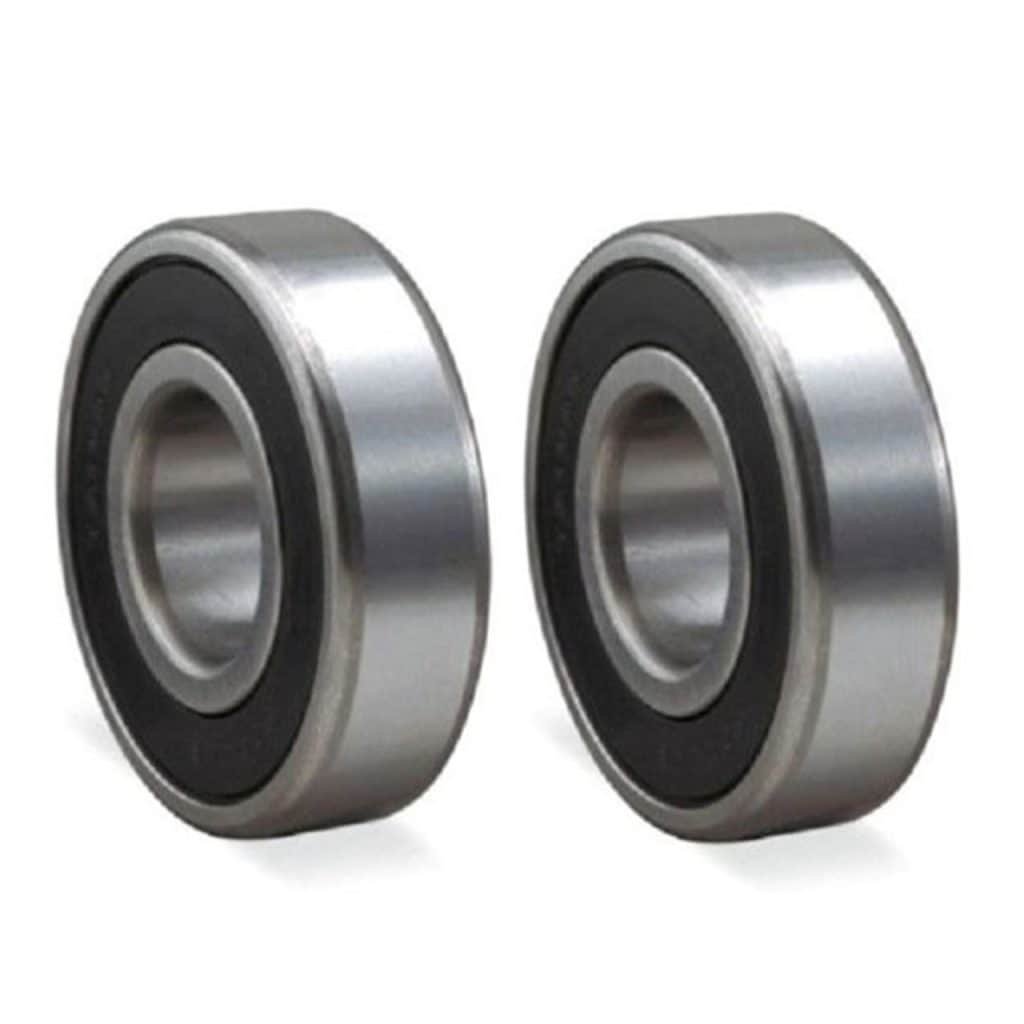
Sealed bearings are rollingelement bearings (typically ball or roller types) that incorporate seals or shields on one or both sides of the bearing inner and outer rings. These seals fit snugly against the bearing races, creating a barrier that prevents contaminants—such as dust, dirt, moisture, and debris—from entering the internal rolling elements.
Seal Types:
Contact seals (often made from rubber or elastomer) provide a tight fit and excellent contamination exclusion but may generate slightly higher friction.
Noncontact seals (metal shields or flingers) hover close to the race without touching, offering lower friction at the expense of less effective sealing.
Construction:
Sealed bearings are prelubricated during manufacturing, often with highquality grease suitable for the intended operating temperature and speed. The seals retain this lubricant while keeping external contaminants out.
Applications:
Common in electric motors, automotive wheel hubs, agricultural machinery, and food processing equipment, sealed bearings are selected whenever maintenance intervals must be minimized and reliability maximized.
Sealed, Open and Shielded Bearings: A Comparison

| Feature | Open Bearings | Shielded Bearings | Sealed Bearings |
| Contamination Protection | Minimal – no barrier | Moderate – metal shields block larger particles | High – elastomer or rubber seals block fine contaminants |
| Lubrication Retention | Requires frequent relubrication | Better than open – shields help keep grease in | Excellent – seals retain grease for life |
| Friction & Heat | Lowest friction | Slightly higher due to shields | Highest among the three (seal drag) |
| Maintenance Interval | Shortest | Moderate | Longest |
| Operating Speed | Highest rating | Slightly reduced due to drag | Lowest rating (seal friction limits) |
| Cost | Lowest upfront cost | Moderate | Highest upfront cost |
| Typical Use Cases | Highspeed spindles, precision instruments | Gearboxes, conveyors | Wheel hubs, electric motors, pumps |
- Contamination Protection:
Open bearings expose rolling elements to the environment, making them vulnerable to ingress of dust and moisture.
Shielded bearings use thin metal discs (shields) to deflect larger debris but allow fine particles to enter.
Sealed bearings employ contact or noncontact seals that effectively block contaminants, significantly prolonging bearing life.
- Lubrication Retention:
Open bearings require periodic lubrication to replenish grease lost to the environment.
Shields help retain some grease but aren’t completely leakproof.
Sealed bearings come factorylubricated and are generally lubricated for life, ideal for applications where relubrication is impractical.
- Friction & Heat Generation:
Open bearings, with no seals or shields, exhibit the least internal friction.
Shields introduce minimal drag.
Seals, particularly contact seals, add resistance—resulting in modest increases in operating temperature.
- Maintenance Requirements:
Sealed bearings typically offer the longest maintenance intervals, reducing downtime.
Open bearings demand the most frequent maintenance.
Shielded bearings fall in between.
- Speed Ratings:
Open bearings boast the highest speed capabilities.
Shields slightly reduce maximum RPMs.
The friction from seals lowers the top speed rating of sealed bearings, although modern designs mitigate this effect.
The Benefits of Sealed Bearings

1. Superior Contamination Exclusion
Sealed bearings create a robust barrier against dust, dirt, and moisture ingress. With contaminants kept at bay, the internal rolling elements and raceways experience less wear, resulting in higher operational reliability and minimized risk of premature failure.
2. Extended Lubrication Life
Factorypacked with highperformance grease and sealed to retain it, sealed bearings deliver maintenancefree operation over their service lifetime in many applications. This reduces both maintenance labor and the risk of improper relubrication.
3. Lower Total Cost of Ownership
Although sealed bearings carry a higher upfront cost compared to open or shielded variants, the extended initial service life, reduced maintenance frequency, and minimized downtime often translate into lower total life cycle costs.
4. Consistent Performance in Harsh Environments
In applications involving water spray, frequent wash downs, fine particulates, or exposure to corrosive atmospheres, sealed bearings ensure stable performance by preventing environmental intrusions that would otherwise degrade open or shielded bearings.
5. Simplified Equipment Design
By eliminating the need for external seals, labyrinth covers, or complex relubrication systems, sealed bearings streamline housing designs and reduce points of potential failure. BYWB Bearing selects seal materials resistant to your specific chemicals and temperatures—just let us know your operating conditions.
What Are the Disadvantages of Sealed Bearings?
- Increased Friction and Heat:
Contact seals generate additional drag, which can lead to higher bearing temperatures—potentially limiting speed and requiring careful thermal management. - Limited Relubrication Options:
Since most sealed bearings are not designed for onsite relubrication, once the factory grease degrades (due to temperature extremes or contamination breach), the bearing must be replaced. - Speed Limitations:
The added friction from seals lowers maximum permissible RPMs compared to open or shielded bearings, potentially making them unsuitable for ultrahighspeed spindle applications. - Higher Initial Cost:
Enhanced sealing elements and factoryapplied grease contribute to a premium price point, which might be prohibitive for budgetsensitive projects. - Seal Wear Over Time:
Repeated thermal cycling, mechanical stress, or exposure to aggressive chemicals can degrade seals, which may eventually compromise bearing protection.
Do Sealed Bearings Need to Be Lubricated?
Yes and no—here’s the nuance:
Factory Lubrication:
Sealed bearings arrive prelubricated with highquality grease chosen for general industrial conditions. In many light to mediumduty applications, this grease will last the bearing’s entire service life.
Relubrication Limitations:
Traditional sealed bearings lack grease fittings (zerk fittings) and rely on fully enclosed seals, making onsite relubrication impractical. Attempting to inject grease into a sealed bearing can damage seals, trap excess grease, and disrupt bearing clearances.
Special Designs:
Some “relubricatable” sealed bearings incorporate removable seals or specially designed ports that allow periodic grease replenishment. When selecting a sealed bearing for longlife, hightemperature, or heavily loaded applications, consider models with relubrication capability.
Best Practices:
Application Matching: Choose sealed bearings whose grease chemistry and seal material align with operating temperatures, loads, speeds, and environmental conditions.
Condition Monitoring: Implement vibration analysis or temperature monitoring to detect early signs of grease degradation or seal failure.
Replacement Strategy: For critical equipment, schedule proactive bearing replacement based on operating hours or monitored condition thresholds, rather than waiting for catastrophic failure.
Conclusion
Sealed bearings represent a critical advancement in bearing technology, marrying robust environmental protection with maintenancefree operation. While their higher upfront cost and slight frictional penalties may deter some applications, the longterm benefits—reduced downtime, consistent performance in harsh conditions, and lower total cost of ownership—make them the goto choice for a wide array of industries, from automotive and aerospace to material handling and food processing. By understanding the tradeoffs between open, shielded, and sealed designs, along with sound lubrication and conditionmonitoring practices, engineers and maintenance professionals can optimize equipment reliability and uptime. BYWB Bearing’s comprehensive sealed bearing portfolio, backed by ISO 9001:2015 certification and global support, ensures you find the perfect solution for your needs. When selecting bearings for your next project, consider whether the enhanced contamination sealing and factory grease retention of BYWB’s sealed bearings align with your performance requirements and maintenance strategy.
