
If you’re in the business of selling or repairing car parts, you know how important it is to have the right parts available. One of those critical parts is the tensioner bearing. In this article, we’ll explain what tensioner and idler bearings are and why replacing them matters.
It’s essential information for retailers and small businesses looking to serve their customers better. So, let’s get started and make sure your business is well-informed and ready to meet the needs of the market.
Tensioner Bearing Noise
The tensioner bearing, a crucial component in many automotive belt systems, ensures that the belt maintains the correct tension, preventing it from slipping or becoming misaligned. However, like all mechanical parts, tensioner bearings can wear out over time and produce noise, which can be an early warning sign of potential failure.
Nature of the Noise
The noise produced by a faulty tensioner bearing can vary. It can manifest as a squeaking, chirping, or grinding sound. The specific sound often depends on the degree and type of wear the bearing has experienced.
Causes of Tensioner Bearing Noise
Wear and Tear
Over time, the bearing’s internal components can wear out, leading to increased play and, consequently, noise.
Contamination
Dirt, debris, and other contaminants can get inside the bearing, causing it to wear prematurely and produce noise.
Misalignment
If the tensioner is not aligned correctly, it can put undue stress on the bearing, leading to premature wear and noise.
How to Diagnose Bad Tensioner Bearing Noise?
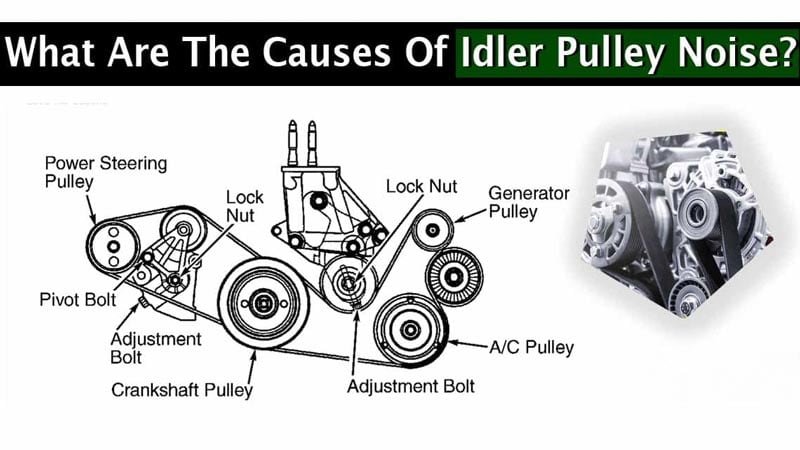
Visual Inspection
Check for signs of wear, misalignment, or damage to the tensioner and belt system.
Spin Test
With the engine off, manually spin the tensioner pulley. A faulty bearing will often produce a noise or feel rough when spun.
Belt Removal
Removing the belt and spinning the tensioner pulley can help isolate the noise source. If the noise disappears with the belt off, it’s likely the tensioner bearing.
What Happens When You Ignore the Noise?
Belt Slippage
A faulty tensioner bearing can lead to reduced tension in the belt, causing it to slip, which can affect the performance of accessories driven by the belt.
Complete Failure
If left unchecked, the tensioner bearing can fail, leading to a broken belt and potential damage to other engine components.
Decreased Fuel Efficiency
A malfunctioning tensioner can lead to increased engine load, reducing fuel efficiency.
When to Replace Tensioner Pulley?
Here are some simple signs to watch out for:
Rocking Pulley
If you can rock the pulley back and forth, that’s not a good sign. It shouldn’t move from side to side at all.
Misalignment
If your pulleys are not lined up right, you might hear a chirping noise. This misalignment often comes from worn-out bearings, which are part of the tensioner and idler bearing assembly.
Visible Damage
Check your pulley for any cracks or breaks. If you see damage, it’s time for a replacement.
Free Spinning
Try spinning the pulley with your fingers. If it goes around more than once or twice, it might be running out of grease in the bearing. This means it could break down soon.
Seized Bearings
This is a sign that the pulley might lock up soon. Not good!
Discoloration
If your pulley changes color, it might be because of a bad tensioner or the pulley bearing getting too hot. This can make the belt slip.
Surface Build Up
If you see stuff building up on the pulley, it could be from a worn-out tensioner making the belt slip.
Excessive Wear
This is especially common in cars that drive in dusty places.
Remember, the serpentine belt bearing noise can be a key sign that something’s wrong. And if you’re hearing or seeing any of these idler pulley bearing symptoms, it’s probably time to check out the idler bearing assembly and consider a replacement.
Using quality parts, like those from BYWB Bearing, can help ensure your pulley lasts longer. They design their idler and tensioner pulleys based on what the original car makers recommend and include top-notch bearings and seals to make sure they work great for a long time.
Pulley Bearing Replacement Cost
Tensioner bearing replacement can cost anywhere between $80 and $200 overall. The price of the new component and the price of labor is included in this range.
Typically, labor costs between $40 and $110, while vehicle parts cost between $40 and $90. Additionally, the price is affected by the type of vehicle and the required parts.
Below are a few examples:
- A replacement idler pulley for a Toyota costs, on average, between $175 and $210. While labor can cost between $80 and $90, parts can cost between $105 and $120.
- The price to repair an idler pulley on a Honda vehicle ranges from $253 to $321. Labor prices range from $118 to $143, while vehicle parts are priced between $135 and $178.
Tip: You may be able to avoid paying for a repair if the idler pulley is under warranty.
How to Replace a Tensioner Bearing?
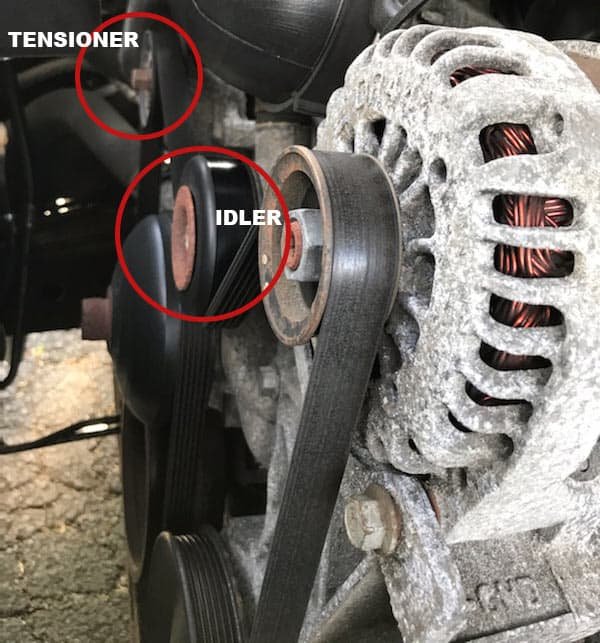
Replacing a tensioner bearing is an essential task to ensure your car runs smoothly. If you’ve been hearing serpentine belt bearing noise or noticing idler pulley bearing symptoms, it might be time for a tensioner bearing replacement. Here’s a simple step-by-step guide to help you out:
Safety First
Always make sure your car is turned off and parked on a flat surface. Use safety gloves and goggles.
Locate the Tensioner and Idler Bearing
Open your car’s hood and find the tensioner and idler bearing assembly. It’s usually near the serpentine belt.
Release the Tension
Using a wrench, turn the tensioner pulley bolt to release tension from the serpentine belt. This will make it easier to remove the belt.
Remove the Serpentine Belt
Once the tension is released, carefully remove the serpentine belt from the pulleys.
Replace the Tensioner Bearing
Unscrew the old tensioner bearing and replace it with a new one. Make sure it’s securely fastened.
Reinstall the Serpentine Belt
Place the serpentine belt back onto the pulleys, ensuring it’s properly aligned.
Tighten the Tension
Using the wrench, turn the tensioner pulley bolt to tighten the belt. Make sure it’s not too tight or too loose.
Test
Start your car and listen for any unusual noises. If everything sounds good, you’ve successfully replaced the tensioner bearing!
Remember, if you’re unsure about any step or feel uncomfortable doing this task, it’s always best to consult with a professional mechanic. They can ensure the job is done right and your car is safe to drive.
Tips to Maintain Idler Bearing Assembly
Taking care of your car’s tensioner bearing can save you time, money, and the headache of bigger problems down the road. Here’s how you can keep it in good shape:
Regular Checks
Every few months, give your tensioner and idler bearing a quick look. You don’t need to be a car expert. Just check for any obvious signs of wear or damage.
Don’t Ignore Noise
Pay attention to any unusual noises when you start your car or while driving. If you hear a squeaky or grinding sound, it might be time to check the tensioner bearing.
Keep it Clean
Dirt and grime can cause problems. When you’re checking the tensioner bearing, wipe away any dirt or oil you see. This can help it last longer.
Avoid Over-Tightening
If you’re adjusting the tensioner bearing, be careful not to make it too tight. Too much tension can wear it out faster.
Consult a Professional
If you’re not sure about something, ask a mechanic. It’s better to get a professional opinion than to guess and make a mistake.
Use Quality Parts
If you need to replace the tensioner bearing, don’t compromise on quality. A good-quality bearing can last longer and work better.
FAQs
How often should I inspect my tensioner bearing for signs of wear?
While there’s no strict timeline, it’s a good idea to inspect your tensioner bearing every time you have an oil change or at least once a year. Regular checks can help you spot issues early and prevent bigger problems down the road.
Is it possible for a faulty tensioner bearing to affect my car’s fuel efficiency?
Yes, a malfunctioning tensioner bearing can lead to increased engine load, which in turn can reduce your car’s fuel efficiency. If you notice a sudden drop in miles per gallon (MPG) combined with other symptoms like unusual noises, it might be related to the tensioner bearing.
If I only replace the tensioner bearing, should I also consider replacing the serpentine belt?
It’s often recommended to replace the serpentine belt when you’re replacing the tensioner bearing, especially if the belt shows signs of wear or is old. Doing both at the same time can save you future labor costs and ensure that all parts work harmoniously together.
The Bottom Line
The tensioner bearing, though small, plays a significant role in ensuring your car’s belt system works right. By understanding its function, recognizing the signs when it needs replacement, and knowing how to maintain it, you can prevent bigger issues and costly repairs down the road.
And when it comes to getting the best tensioner and idler bearings, remember that quality matters. BYWB Bearing is your number one choice. We’re known for our top-notch products that are built to last. So, next time you need a tensioner bearing replacement, make sure to check out BYWB Bearing for quality you can trust.
