
Pulley bearings are an essential component across a variety of automotive, industrial, and mechanical systems. They help manage motion, reduce friction, and increase overall system efficiency. Whether you’re maintaining a vehicle, designing industrial equipment, or replacing worn parts, understanding pulley bearings is crucial.
In this comprehensive guide from BYWB Bearing, we’ll walk you through everything you need to know, including:
- What is a pulley bearing?
- How long do pulley bearings last?
- What happens when a pulley bearing goes bad?
- Pulley bearing size chart
- Conclusion and how BYWB Bearing can help
1. What Is a Pulley Bearing?
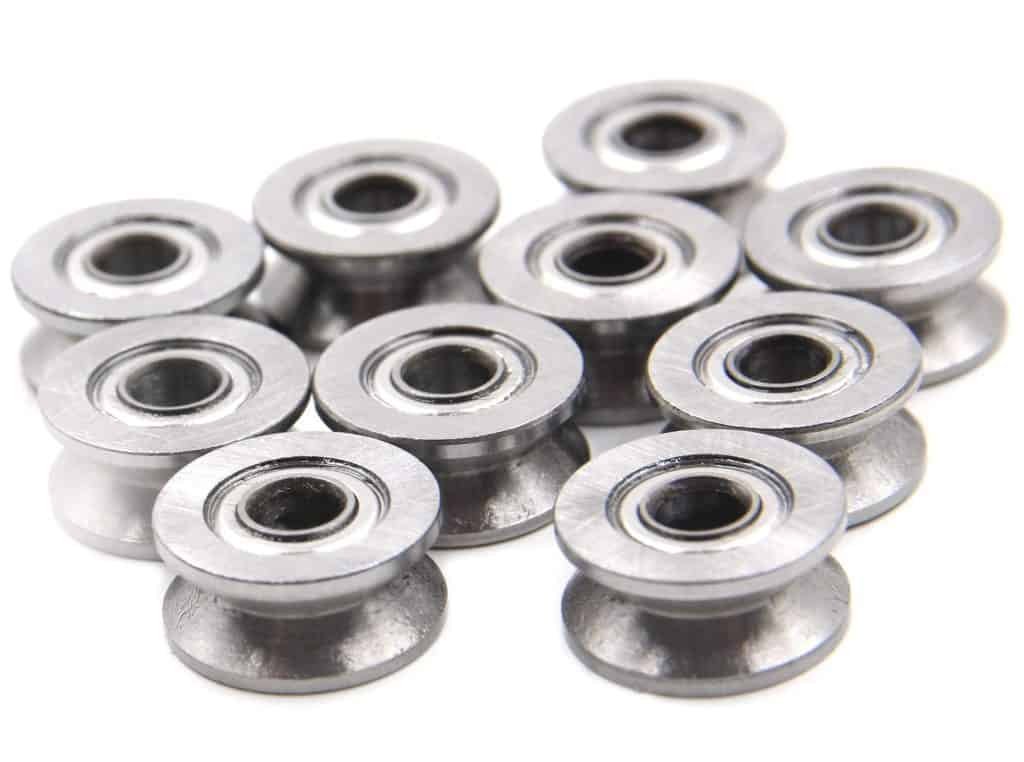
A pulley bearing is a type of rolling element bearing that supports the rotational movement of a pulley system. Pulleys are used to redirect force and guide movement in mechanical systems — commonly found in engines, HVAC systems, conveyors, and power transmission setups.
Pulley bearings are typically ball bearings or needle bearings embedded within the pulley hub. Their primary function is to allow smooth rotation of the pulley under load while reducing friction and wear.
Common Applications:
Automotive systems: serpentine belts, timing belts, idler pulleys
Conveyor systems: guide rollers, support pulleys
Industrial machinery: textile, packaging, and printing equipment
Agricultural equipment: combine harvesters, tractors, balers
Structure of Pulley Bearings
Most pulley bearings consist of:
Inner and outer rings: usually made from hardened steel
Rolling elements: typically steel balls or needles
Cage/retainer: keeps the rolling elements evenly spaced
Seals or shields: to keep out contaminants and retain grease
Some designs may integrate the bearing directly into the pulley housing, especially in idler and tensioner pulleys.
2. How Long Do Pulley Bearings Last?
The lifespan of a pulley bearing depends on several factors:
Load and operating speed
Environmental conditions (dust, moisture, chemicals)
Lubrication quality and maintenance schedule
Bearing material and precision class
Installation quality
Average Lifespan
Under normal conditions, pulley bearings can last anywhere from 50,000 to 100,000 kilometers (approximately 30,000 to 60,000 miles) in automotive applications, or 2–5 years in industrial systems. However, high-quality pulley bearings, like those manufactured by BYWB Bearing, can extend operational life due to advanced heat treatment, sealing, and material control.
Tips to Extend Pulley Bearing Life
Choose the right size and type for the load
Use sealed bearings in dusty or wet environments
Ensure proper alignment and tension in belt systems
Re-lubricate or replace on recommended schedules
Avoid contamination during installation
3. Material Selection for Pulley Bearings

Choosing the right material for pulley bearings is crucial to ensure long-term durability, resistance to environmental stress, and performance under load. At BYWB Bearing, we prioritize high-grade materials that meet international standards for both automotive and industrial applications.
1. Bearing Rings and Balls
Most pulley bearings use:
High Carbon Chromium Steel (GCr15 / AISI 52100)
This is the industry standard for bearing races and rolling elements due to its:
High hardness
Excellent wear resistance
Fatigue life under high-speed operation
Compatibility with heat treatment and precision grinding
Stainless Steel (e.g., AISI 440C)
Ideal for corrosive environments such as:
Marine applications
Food processing
Chemical exposure
Offers lower hardness than GCr15 but adds rust resistance.
2. Cages (Bearing Retainers)
The cage material affects the bearing’s stability and speed. Common materials include:
Pressed Steel: Strong and economical; widely used in standard applications.
Nylon (PA66): Lightweight, low-friction, and self-lubricating; excellent for high-speed or quiet-running environments.
Brass: Good for high-temperature or shock-load conditions, though less common in standard pulley applications.
3. Seals and Shields
Seals protect the bearing from dust, moisture, and debris while retaining lubrication. BYWB pulley bearings offer:
Nitrile Rubber (NBR) Seals: Oil-resistant and flexible, ideal for automotive and industrial applications.
Metal Shields (ZZ): Used in clean environments where speed is high and contamination is low.
4. Lubrication
BYWB pulley bearings are pre-lubricated with high-performance grease, selected based on application:
Lithium-based grease for general-purpose
High-temperature synthetic grease for engine bays or industrial machines
Low-noise grease for HVAC and office equipment
Why Material Matters
Using the wrong material can lead to:
Premature wear
Corrosion
Noise and vibration
Unexpected system failure
That’s why BYWB Bearing provides application-specific material solutions — from high-speed automotive idlers to heavy-duty conveyor pulleys — ensuring you always get the right bearing for the job.
4.What Happens When a Pulley Bearing Goes Bad?

When pulley bearings fail, they can compromise the entire belt or motion system. Early detection is key to preventing serious damage or costly downtime.
Common Symptoms of a Failing Pulley Bearing:
| Symptom | Description |
| Noise | Squealing, grinding, or rumbling sounds from the pulley area |
| Vibration | Unusual vibration in the belt or pulley system |
| Heat | Bearing or pulley getting abnormally hot |
| Misalignment | Belt not tracking properly |
| Visible damage | Rust, cracked seals, worn raceways |
Risks of Ignoring a Bad Pulley Bearing
Belt wear or breakage
Engine overheating (in cars with serpentine belts)
Production halts (in conveyor or manufacturing systems)
Increased energy consumption
Secondary damage to other rotating components
If you notice any of these signs, it’s best to inspect and replace the bearing immediately. At BYWB Bearing, we offer a wide range of replacement pulley bearings for immediate delivery and OEM matching.
4. Pulley Bearing Size Chart
Choosing the correct bearing size is vital for performance, safety, and durability. Below is a sample pulley bearing size chart to help you identify or replace your existing part. For more detailed specifications or custom sizes, contact BYWB Bearing’s technical support.
| BYWB Bearing Code | Inner Diameter (mm) | Outer Diameter (mm) | Width (mm) | Type | Application Example |
| 6203-2RS | 17 | 40 | 12 | Ball Bearing | Auto AC pulley |
| 6304-ZZ | 20 | 52 | 15 | Ball Bearing | Conveyor pulley |
| R12ZZ | 19.05 | 41.28 | 11.11 | Ball Bearing | Lawn mower pulley |
| UC204 | 20 | 47 | 31 | Insert Bearing | Agricultural pulley |
| 6001-2RS | 12 | 28 | 8 | Ball Bearing | Idler pulley |
| HK1812 | 18 | 24 | 12 | Needle Bearing | Timing belt pulley |
If you’re unsure of your part number, our engineers can help cross-reference it based on OEM or application type.
5. Conclusion: Why Choose BYWB Pulley Bearings?
Pulley bearings are small but critical components. From reducing friction to enabling precision movement, they are at the heart of modern mechanical systems. When pulley bearings fail, they can bring down entire systems — but with premium quality bearings from BYWB, you can minimize risk and maximize uptime.
Why Choose BYWB Pulley Bearings?
Precision manufacturing to ABEC standards
Durable materials with heat treatment and anti-corrosion coatings
Sealed options for long service life in harsh environments
Competitive pricing for both OEM and aftermarket
Fast delivery and custom solutions available
At BYWB Bearing, we are committed to providing high-quality, reliable bearings for automotive, industrial, agricultural, and conveyor systems worldwide.
