
Fishing Reel Bearing Manufacturer
Contact BYWB Bearings for Top Fishing Reel Performance – Premium Bearings Designed for Smooth and Efficient Casting.

Ask for A quick quote
We will contact you within 1 working day, please pay attention to the email with the suffix “@bywbbearing.com”
Comprehensive Guide to Fishing Reel Bearings: Understanding Types, Manufacturing Process, and Maintenance
For more information about products, the company, or shipping, you can also check out our other FAQs!
Experience the revolution in fishing reel performance with our premium spool speed bearings, designed specifically to meet the rigorous demands of the fishing industry. Engineered for precision and durability, these bearings enhance the efficiency of your reels, ensuring smoother, faster spooling and optimal reliability.
With reduced friction and superior resistance to wear and corrosion, they are the essential choice for wholesalers looking to provide their customers with a top-tier fishing experience. Trust in our spool speed bearings to turn every fishing venture into a seamless and successful outing.
What is Fishing Reel Bearing?
A fishing reel bearing is a crucial component in a fishing reel that helps reduce friction between the moving parts, enabling smoother and more efficient operation. These bearings are typically made from stainless steel or ceramic and are strategically placed within the reel to support the spool’s rotation. The quality and design of the bearings can significantly influence the casting distance, retrieval speed, and overall performance of the reel. High-quality bearings enhance the user experience by providing smoother casts, more precise control, and reduced effort during retrieval, making them essential for both casual and competitive anglers.
How Do Fishing Reel Bearings Work?
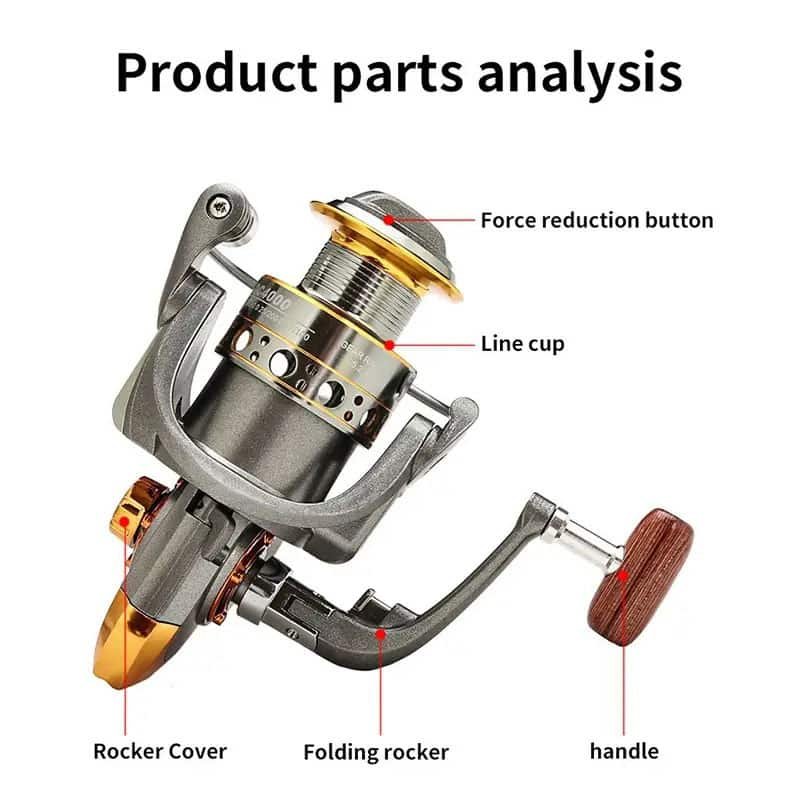
Fishing reel bearings play a pivotal role in the functionality and performance of fishing reels by facilitating smooth motion and reducing mechanical friction. Here’s a detailed look at how these bearings work within the reel:
1. Location and Purpose
Main Shaft Bearings: Positioned on the main shaft, these bearings support the spool and handle, allowing for smooth rotation during both casting and reeling in.
Spool Bearings: Located at each end of the spool, they help in the smooth unwinding and winding of the line, crucial for casting distance and smoothness.
2. Composition and Design
Materials: Most bearings are made from stainless steel or ceramics. Stainless steel bearings are durable and resistant to rust, while ceramic bearings are lighter, smoother, and more corrosion-resistant but at a higher cost.
Shields and Seals: Bearings are often shielded or sealed to prevent dirt, sand, and water from entering, which can degrade performance over time. Seals offer more protection but can slightly increase friction, whereas shields provide a balance between protection and minimal friction.
3. Mechanism of Action
When the angler turns the reel handle, the movement is transferred to the main shaft and spool, where the bearings come into play.
The bearings reduce the contact area where friction occurs. Instead of surfaces sliding against each other, the small balls or rollers inside the bearings roll, which drastically reduces friction.
This reduction in friction allows the spool to rotate freely and swiftly, facilitating long casts and smooth retrieval.
4. Impact on Performance
Casting: Bearings determine how freely the spool spins, affecting how far and how smoothly the line can be cast.
Retrieval: During retrieval, good bearings ensure that the handle and spool turn effortlessly, making it easier to wind the line back onto the spool, even under load.
5. Maintenance
Regular cleaning and lubrication of bearings are critical to maintain optimal performance and extend the lifespan of the reel. Dirt and grime can increase friction if bearings are not well-maintained.
Fishing reel bearings are integral to the reel’s performance, providing essential support that allows for efficient operation during casting and retrieval. Their design, material, and maintenance all contribute to the overall effectiveness and durability of the fishing reel.
How Many Bearings Should a Fishing Reel Have?
The number of bearings in a fishing reel can vary widely depending on the type, quality, and intended use of the reel. Generally, the performance of a fishing reel often improves with the number of bearings it has, but the quality of those bearings is equally important. Here’s a breakdown to give a clearer picture:
1. Basic Reels
Entry-Level Reels: These reels might have as few as 1-3 bearings. They are typically less expensive and might not offer the smoothest performance but can still be adequate for casual or beginner anglers.
2. Mid-Range Reels
General Purpose: A moderate amount of bearings, around 4-6, is common in mid-range reels. This provides a good balance between cost and performance, making them suitable for most recreational fishing activities.
3. High-Performance Reels
Advanced and Specialty Reels: High-end reels can have 7 or more bearings, with some even boasting up to 10-14 bearings. These are designed for smoother operation, longer casts, and greater durability under frequent or harsh use, such as in competitive fishing or challenging environments.
Are More Bearings in a Fishing Reel Better?
While a higher number of bearings in a fishing reel can suggest smoother operation and better performance, the overall quality and design of the bearings are equally, if not more, important. Here are some factors to consider when evaluating whether more bearings are truly better:
1. Smoothness and Stability
More Bearings: Generally, more bearings can contribute to a smoother feel during casting and retrieval because they reduce friction and wobble in the moving parts.
Quality of Bearings: However, the quality of each bearing is crucial. High-quality bearings made from superior materials can outperform a larger quantity of mediocre bearings.
2. Durability
Corrosion Resistance: Bearings, especially in fishing reels used in saltwater, need to be resistant to corrosion. High-quality bearings, even if fewer in number, that are specifically designed to resist rust and corrosion can offer longer-lasting performance than numerous standard bearings.
3. Performance
Precision and Control: More bearings can improve the precision and control during use, which can be particularly noticeable in activities like lure casting or when fishing in scenarios that require fine adjustments to the reel’s drag system.
4. Cost
Budget Considerations: Reels with more bearings typically come at a higher cost. It’s essential to balance the number of bearings with budget constraints and the actual needs based on the type of fishing.
5. Type of Fishing
Specific Needs: The ideal number of bearings can also depend on the type of fishing. For example, deep-sea fishing reels might benefit from more high-quality bearings to handle the intense pressures and demands of ocean fishing.
How to Clean Spool Speed Bearings?
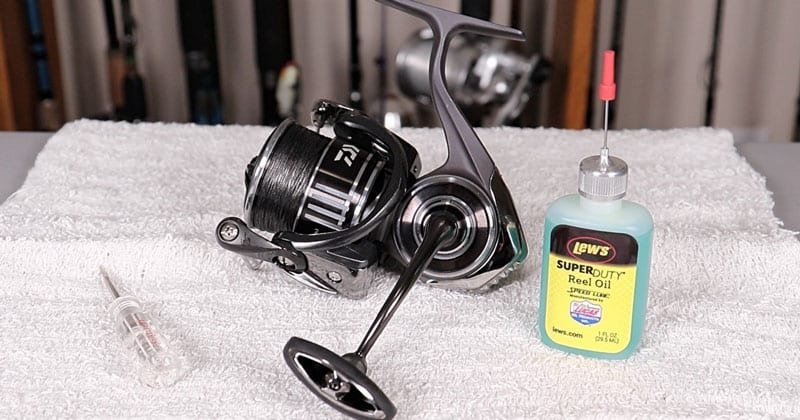
Cleaning spool speed bearings is essential for maintaining their performance and longevity. Here’s a step-by-step guide on how to effectively clean the bearings of your fishing reel:
1. Disassemble the Reel
Remove the Spool: Start by carefully removing the spool from the reel. This typically involves unscrewing a cap or a knob.
Access the Bearings: Locate the bearings. In most reels, you will find them on either side of the spool and possibly in other parts of the reel mechanism.
2. Remove the Bearings
Use Proper Tools: Use tweezers or a small tool to gently remove the bearings. Be careful not to damage them as they are quite delicate.
3. Clean the Bearings
Soak in Solvent: Place the bearings in a small container filled with a solvent such as isopropyl alcohol or a commercial bearing cleaner. Let them soak for a few minutes to loosen and dissolve any dirt or grease.
Agitate Gently: Swirl the container gently to help dislodge any particles stuck in the bearings.
Use a Soft Brush: For stubborn grime, use a soft-bristled brush (like a toothbrush) to carefully scrub the bearings.
4. Dry the Bearings
Air Dry: Remove the bearings from the solvent and let them air dry on a clean, lint-free cloth. Avoid using compressed air, as it can drive dirt deeper into the bearings or cause them to spin at speeds that might damage them.
5. Lubricate the Bearings
Apply Bearing Oil: Once dry, apply a drop or two of bearing oil specifically designed for fishing reels. Avoid using heavy oils or grease as they can attract more dirt and may not be suitable for the fine tolerance of reel bearings.
Distribute the Oil: Spin the bearing gently to ensure the oil evenly coats the inside.
6. Reassemble the Reel
Replace the Bearings: Carefully place the bearings back into their respective positions in the reel.
Reassemble the Spool: Put the spool back and secure any caps or knobs.
7. Test the Reel
Smooth Operation: After reassembly, test the reel to ensure it operates smoothly. Any stiffness or noise may indicate that the bearings need more cleaning or lubrication.
Tips for Maintenance
Regular Cleaning: Clean your bearings regularly, especially after fishing in saltwater or dirty conditions.
Use Appropriate Solvents and Lubricants: Always use solvents and lubricants that are appropriate for spool speed bearings to avoid damage.
Fishing Reel Bearing Sizes Chart
| Item number | ID(mm) | OD(mm) | WIDTH(mm) | MATERIAL | Quality Level |
|---|---|---|---|---|---|
| R2-ZZ | 1/8" | 3/8" | 5/32" | Ceramic | ABEC-7 |
| 623ZZ | 3 | 10 | 4 | Stainless Steel | |
| MR115ZZ | 5 | 11 | 4 | Stainless Steel | |
| MR104ZZ | 4 | 10 | 4 | Stainless Steel | |
| MR128-2RS | 8 | 12 | 3.5 | Ceramic | |
| MR105ZZ | 5 | 10 | 4 | Stainless Steel | |
| MR95ZZ | 5 | 9 | 3 | Ceramic | |
| 683ZZ | 3 | 7 | 3 | Stainless Steel | |
| 693ZZ-2RS | 3 | 8 | 4 | Ceramic | |
| MR137ZZ | 7 | 13 | 4 | Ceramic | |
| MR117ZZ | 7 | 11 | 3 | Ceramic |
Conclusion
Fishing reel bearings are vital components that enhance the performance and functionality of your fishing reels by reducing friction and providing smoother operation. Understanding the role and maintenance of these bearings, including how many to use and how to properly clean and lubricate them, is essential for any angler looking to optimize their fishing gear. Remember that the quality and number of bearings can significantly impact the efficiency and longevity of your reel. Regular maintenance, including thorough cleaning and appropriate lubrication, will keep your fishing adventures successful and enjoyable. For those in need of high-quality bearings and professional guidance, consider reaching out to BYWB Bearing for all your bearing solutions, where expertise and quality meet to keep your fishing equipment in top-notch condition.
© COPYRIGHT NOTICE
Copyright of the pictures belong to the owner, not allow to copy or use without permission, the owner have the rights to pursue legal action, if you find infringement, please email us we will handle or remove immediately.