
In the industrial world, the life and performance of your machines often come down to the bearings you use. One question I get all the time from B2B buyers is, “What’s the difference between bearings with shields and bearings with rubber seals?” Knowing the answer can help you make better decisions, which means better performance and lower maintenance costs.
Shields keep out the big stuff, and seals keep out the little stuff like dust. The best type of seal for keeping out dust is a contact seal (as opposed to a low-friction non-contact seal), but it makes the bearing harder to turn because the inner lip of the seal drags on the inner ring of the bearing.
Let’s dig a little deeper into the details and answer some common questions about shields and seals. How do they perform in different applications?
Sheilded vs Rubber seal bearing

Contact seals, typically made of rubber or synthetic materials, create a tight seal around both the inner and outer rings of the bearing. This design keeps out fine particles like dust and moisture, providing excellent protection. However, it creates friction, which can slightly slow down the bearing and increase operating temperatures. You’d use contact seals in environments where contamination control is critical, even if it means you have to give up a little on how fast the bearing can rotate. Metal shields, on the other hand, are designed to keep out larger particles and keep grease inside the bearing. They’re made of thin metal and fit into a groove on the outer ring without touching the inner ring, so they let the bearing rotate more smoothly and at higher speeds. Metal shields give you less protection against fine contaminants, but they’re great for applications where you need to go really fast and keep friction really low. So, when you’re deciding between contact seals and metal shields, you have to think about what you’re trying to keep out and how fast you need the bearing to go in your specific application.
Are Sealed Bearings Waterproof?

Sealed bearings are designed to offer better protection against contaminants, including water, but they’re not waterproof. The rubber seals on these bearings do a great job of keeping moisture and other contaminants out, which makes them good for applications where they might get wet. However, while sealed bearings do a better job of keeping out moisture than shielded or open bearings, they can’t keep water out in some circumstances. For example, they’re not going to keep water out if you submerge them for a long time or hit them with high-pressure water. In applications where you expect them to get a little wet now and then, sealed bearings do a great job of keeping the grease inside and preventing rust and corrosion. But if you need something to be completely waterproof, you need to look at additional protection like special coatings, housings, or fully waterproof bearings. Sealed bearings are great in humid environments or where you get an occasional splash, but you can’t count on them to keep out constant or heavy water without something else to help. You need to use them right and provide additional protection to make sure they perform well in wet conditions.
Can You Open A Sealed Bearing?
Sealed bearings are designed to be maintenance-free and are not meant to be opened. They come pre-lubricated to keep the lubricant in and contaminants out. If you open a sealed bearing, you can let contaminants in and mess it up. If you see a sealed bearing that’s worn out or damaged, it’s usually better to replace it than try to open it up and service it. That way, you know it’s going to work right, and you’re not going to have any other problems. That’s why sealed bearings are great for applications where you don’t have a lot of access for maintenance.
How Often Should You Grease Sealed Bearings?
Sealed bearings come from the factory pre-lubricated and are designed to run without regular greasing. The seals hold the grease in and keep the bad stuff out, so the bearing stays lubricated for its entire life. That’s why sealed bearings are considered low-maintenance and don’t need to be greased again under normal conditions. Now, the actual maintenance interval depends on your specific application and the conditions you’re operating in. If you’re in a really hot environment, under a heavy load, or in a dirty environment, the grease can break down faster. That means you need to check them more often. Manufacturers provide guidelines and recommendations for how often you should check your bearings based on these factors. If you follow these guidelines, your bearings will last a long time and work great, even in tough applications. You have to check them regularly and follow the maintenance schedule to make sure your sealed bearings keep running like they’re supposed to. By understanding and following these maintenance practices, you can enjoy the benefits of low maintenance and long life from your sealed bearings.
What Does 2RS Mean On A Bearing?

When you see “2RS” on a bearing, it means it has two rubber seals, one on each side. Those seals do a great job of keeping out things like dust and moisture, which makes the bearing good for tough environments. The rubber seals make better contact and seal better, but they also create a little bit of friction, which can slow you down if you’re going really fast. People use 2RS bearings in applications where they’re worried about contamination because they keep the grease in and do a good job of keeping the bad stuff out.
What Does ZZ Mean On A Bearing?
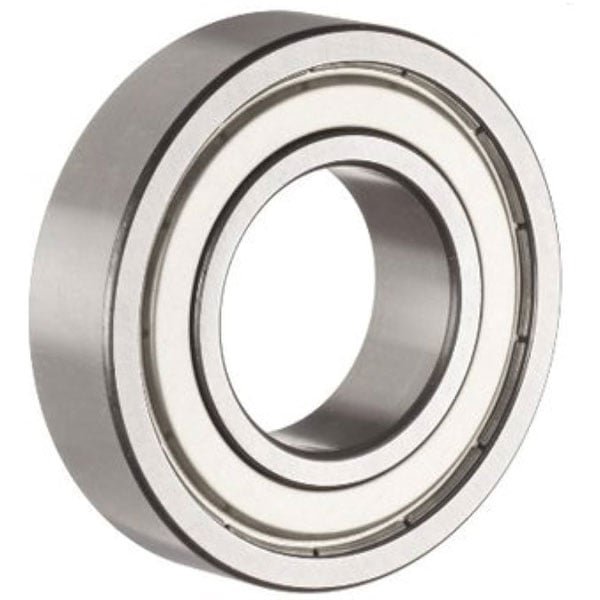
If a bearing has ZZ on it, that means it has two metal shields, one on each side. These shields don’t touch the bearing, but they keep bigger junk out and let it spin smoother with less friction. ZZ bearings are great for high-speed stuff where you don’t want any resistance. However, they don’t protect as well against little stuff as rubber seals do. ZZ bearings are good for cleaner environments where you want high speed more than you want maximum protection.
Which Bearing Is Better, ZZ Or 2RS?
Whether you choose ZZ or 2RS bearings depends on what you’re doing. If you need high speed and don’t have much junk around, ZZ bearings are better because they spin smoother with less friction. If you have a lot of dust and water and you want to protect the bearing, 2RS bearings are better because they keep all that stuff out. You need to decide if you want high speed (ZZ) or you want to protect the bearing and not have to mess with it (2RS). You have to know what you’re doing to pick the right bearing for your application.
Conclusion:
Deciding between shielded and sealed bearings is a big deal if you want your stuff to last and work right. Each kind of bearing has its own advantages that work best in different situations. When you know the differences, you can make a good decision on what you need for your application.
What kind of bearing are you going to use on your next project from today’s discussion? Or maybe you have something else we didn’t talk about?
Call our experts today and we’ll help you figure out what you need to get the perfect bearing for your application.
