
Every year, the global textile industry contributes approximately $1 trillion to the world economy, a testament to its vast scale and the critical role machinery plays in maintaining this powerhouse. A key component that often goes unnoticed but is pivotal to the efficiency and longevity of textile machines is the bearing.
Choosing the right bearing can drastically improve machine performance, reduce downtime, and extend the lifespan of equipment. This article explores various bearing types used in textile machinery, highlighting their advantages and helping manufacturers make informed decisions to enhance their operations.
Textile Machinery Bearing Introduction and Applications
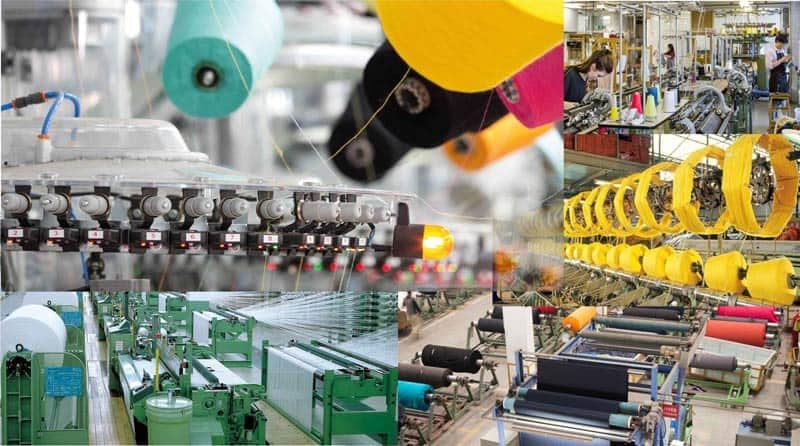
Bearings are a crucial component in textile machinery, designed to meet the high demands of the industry. These bearings need to handle high speeds, varying loads, and prolonged operational times while maintaining precision and efficiency.
Here are some key features:
- High Speed Capability: Engineered to perform reliably at high rotational speeds, reducing heat buildup and wear.
- Load Support:Capable of supporting heavy radial and axial loads without performance degradation.
- Precision Engineering:Ensures accurate machine functions essential for quality textile production.
- Durability: Constructed to withstand harsh operating conditions, including exposure to dust and fibers.
- Low Maintenance: Designed for longevity with minimal need for maintenance, helping to reduce downtime and operational costs.
Applications of Textile Machinery Bearing

Textile machinery bearings are utilized across various applications within the textile industry, enhancing the performance of machines in critical areas:
- Spinning Machinery:Ensuring smooth rotation and high-speed capabilities for yarn production.
- Weaving Machinery: Providing stability and precision in looms for fabric weaving.
- Knitting Machinery:Supporting intricate movements needed for patterned and structured knits.
- Dyeing and Finishing Machinery: Operating reliably even in moist and chemically intense environments typical of dyeing processes.
- Texturizing Machinery: Allowing for the precise texturizing of fibers to create desired fabric textures and qualities.
They are typically engineered for high durability, resistance to contamination, and reduced maintenance needs. Utilizing advanced bearing technology can significantly enhance machine reliability, leading to smoother operations, increased productivity, and reduced downtime in textile manufacturing processes.
Textile Machinery Bearing Types

1. Single Row Radial Ball Bearings
Single row radial ball bearings are commonly used in textile machinery due to their ability to handle both radial and axial loads. They are designed for high-speed applications and provide high precision and low noise, making them ideal for spinning and weaving machines.
2. Double Row Angular Contact Ball Bearings
These bearings can accommodate axial loads in two directions and are excellent for handling combined loads. They are often found in machines that require precise shaft guidance under high load conditions, such as looms and finishing equipment.
3. Self-aligning Ball Bearings
Self-aligning ball bearings are perfect for applications where shaft misalignment might occur. These bearings are capable of correcting angular misalignments, which is beneficial for machines operating under varying loads and speeds. Their design allows them to maintain performance despite shaft deflections or mounting inaccuracies.
4. Cylindrical Roller Bearings
Cylindrical roller bearings are designed to handle higher radial loads compared to ball bearings. They are typically used in applications that require higher rigidity and are suitable for high-speed applications. Their structure allows for thermal expansion of the shaft without affecting the bearing’s performance.
5. Needle Roller Bearings
Needle roller bearings have a high load capacity and are particularly suitable for arrangements with limited radial space. These bearings are used in textile machinery where lightweight, compact designs are critical, such as in smaller components of textile machines.
6. Spherical Roller Bearings
Spherical roller bearings are ideal for absorbing high radial loads and moderate axial loads in both directions. They are robust and perform well in harsh environments, making them suitable for heavy-duty textile machinery that faces significant operational challenges.
Each bearing type brings distinct advantages to textile machinery, improving operational efficiency, reducing maintenance needs, and enhancing the longevity of the equipment.
How Do Textile Machinery Bearing Works?
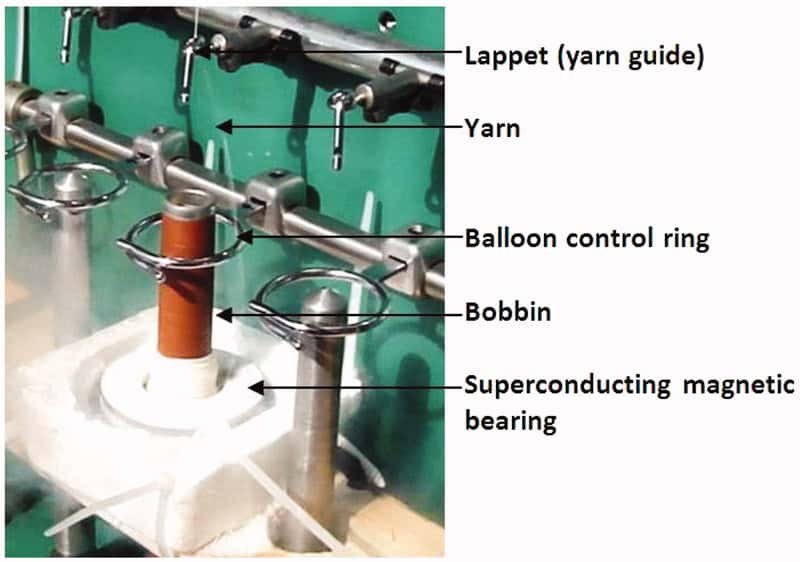
Bearings play a crucial role in textile machinery by reducing friction and facilitating smooth operation. They are essential for maintaining precision, efficiency, and the long-term reliability of machines. Here’s a detailed breakdown of how these components function in textile machinery:
1. Reducing Friction
Bearings significantly lower the friction between moving parts within the machinery. This is crucial for spinning, weaving, and other textile processes where high-speed operations are common. By minimizing friction, bearings ensure smoother operations and less wear and tear on the machinery.
2. Supporting Loads
Textile machines often handle heavy loads during operations like weaving heavy fabrics or processing multiple fibers. Bearings support these loads without compromising the machine’s speed or precision.
3. Enhancing Precision
Precision is paramount in textile manufacturing to ensure the quality of the fabric. Bearings play a key role by enabling precise movements of machine components, which is essential for producing consistent and high-quality textiles.
4. Increasing Machine Longevity
By reducing friction and supporting heavy loads efficiently, bearings extend the operational life of textile machinery. Less wear and tear means fewer breakdowns and lower maintenance costs.
5. Accommodating Misalignments
Some types of bearings, like self-aligning bearings, can adjust to misalignments in the shaft. This is particularly useful in textile machinery where slight positional errors can occur due to operational stresses or installation.
6. Handling High Speeds
Textile machinery often operates at high speeds, especially in processes like spinning. Bearings are designed to handle these high speeds without overheating or breaking down, thus ensuring continuous operation without downtime.
Each type of bearing serves a specific function within textile machinery, contributing to the overall performance and efficiency of the manufacturing process. Understanding these roles can help in selecting the right type of bearing for specific textile applications, leading to better machine performance and product quality.
Innovations in Textile Machinery Bearings
High-Temperature Resistance
Advancements in materials science have led to the development of bearings that can operate effectively in high-temperature environments, which are common in textile processing. These bearings maintain their integrity and performance even under intense heat, prolonging machinery life.
Contamination Resistance
Modern bearings are designed with enhanced sealing technologies to withstand exposure to dust, fibers, and chemical contaminants. This protection is crucial for maintaining bearing efficiency and longevity in textile manufacturing settings.
Integrated Sensor Technology
The integration of sensors within bearings is a significant technological leap. These smart bearings collect real-time data on operational parameters like temperature, speed, and load conditions. This information enables predictive maintenance strategies, helping prevent downtime by addressing issues before they lead to machine failures.
Energy Efficiency
There is a growing emphasis on reducing the energy consumption of bearings by improving their design and materials to minimize friction. Energy-efficient bearings contribute to lower operating costs and support the textile industry’s shift toward more sustainable practices.
Enhanced Material Use
Innovations in bearing materials, such as the use of ceramic and hybrid compounds, offer superior performance characteristics. These materials are lighter, reduce energy consumption, and provide greater wear resistance than traditional steel bearings.
Customization and Flexibility
Bearing manufacturers are increasingly offering customized solutions tailored to specific textile machinery needs. This customization allows for optimal design integration, ensuring that bearings meet the unique demands of different textile applications.
These advancements not only improve the operational capabilities of textile machinery but also contribute to the overall productivity and sustainability of the textile industry.
Factors to Consider Before Buying Textile Machinery Bearings
When selecting textile machinery bearings for your business or wholesale needs, consider these detailed factors:
1. Load Capacity
Choose bearings that can handle the load specifications of your machines. This involves understanding both radial and axial load capacities to ensure the bearings can support the stresses during operations without premature wear or failure.
2. Speed Compatibility
Ensure that the bearings are compatible with the operational speeds of your textile machinery. Bearings should be designed to function efficiently at high speeds, which is essential for minimizing friction and overheating.
3. Material Quality
Select bearings made from high-quality materials that offer durability and resistance to wear and tear. Materials like high-grade steel or ceramics are preferred for their strength and ability to endure the demanding conditions of textile manufacturing.
4. Precision Requirements
Precision in bearings affects the accuracy and quality of textile production. Opt for high-precision bearings that ensure smooth operation and alignment, crucial for complex textile machinery functions.
5. Environmental Conditions
Consider the environmental factors such as exposure to chemicals, dust, and moisture. Bearings should be equipped with appropriate sealing technologies to protect against these elements, thereby extending their operational life and reducing maintenance needs.
6. Supplier Reliability
Evaluate suppliers based on their market reputation, reliability, and after-sales support. A dependable supplier ensures consistent quality, timely delivery, and support for installation and maintenance, which are critical for reducing operational disruptions.
By carefully assessing these aspects, you can select bearings that will enhance the performance and longevity of your textile machinery, ultimately contributing to the efficiency and productivity of your operations.
Textile Machinery Size chart
| DIMENSIONS | DESIGNATION | ANGLE OF CONTACT | LIMITING SPEEDS | BASIC LOAD RATINGS | Weight | ||||||
|---|---|---|---|---|---|---|---|---|---|---|---|
| d | D | B mm Inch | C | W | Oil | Grease | Contact seals | Dyn. CR kN | Stat. Cor kN | ~ gr | |
| 0 | 22 | 30 | 10.2 | OT0MSD00 | 30 | 34 | 28 | 5.93 | 2.79 | 46 | |
| 3 | 16.5 | 4.8 | 7 | CLM303 | - | 45 | 38 | 24 | 1.3 | 0.486 | 4.7 |
| 16 | 4.8 | 7 | CM300 | - | 45 | 38 | 24 | 1.3 | 0.486 | 4.7 | |
| 3.1 | 16.5 | 4.8 | 7 | CM3,100 | - | 45 | 38 | 24 | 1.3 | 0.486 | 4.7 |
| 4 | 17.4 | 5 | 7 | CM400 | - | 45 | 38 | 24 | 1.3 | 0.486 | 6.6 |
| 5 | 18.55 | 5 | 7 | CM500 | - | 43 | 36 | 22 | 1.88 | 0.68 | 6.2 |
| 5.004 | 14.68 | 6 | 6 | O501 | - | 43 | 36 | 22 | 1.88 | 0.68 | 4.5 |
| 6.35 | 15.875 | 8.733 | 8.733 | WSR4 | - | 41 | 33 | 22 | 1.48 | 0.618 | 7.3 |
| 7 | 19 | 7.5 | 8.5 | KMO7K00 | - | 38 | 32 | 22 | 2.46 | 1.05 | 9.8 |
| 19 | 11 | 18.3 | EMX7SD00 | - | 39 | 32 | 20 | 2.8 | 1.06 | 18.4 | |
| 28.2 | 11 | 18.3 | JMX7SD00 | - | 39 | 32 | 20 | 2.8 | 1.06 | 25.4 | |
| 8 | 22 | 7 | 7 | B801 | - | 24 | 20 | 13 | 3.4 | 2.09 | 12.4 |
| 22 | 7 | 7 | B802 | - | 36 | 30 | 20 | 3.4 | 2.09 | 12.4 | |
| 22 | 11 | 10 | OT8MSD01 | - | 36 | 30 | 5.07 | 2.58 | 18 | ||
| 22 | 14.9 | 10.3 | O8M00 | - | 36 | 30 | 20 | 3.28 | 1.36 | 18.9 | |
| 9(M4) | 26.4 | 21.5 | 21.4 | ET900 | - | 34 | 28 | 18 | 7.04 | 3.94 | 61 |
| 9.525 | 22.225 | 9.525 | 9.525 | WSR6 | - | 36 | 29 | 20 | 3.33 | 1.41 | 14.8 |
| 22.225 | 10.32 | 7.938 | O9,5KM00 | - | 36 | 29 | 20 | 3.33 | 1.41 | 14.8 | |
| 10 | 26 | 11.506 | 11.506 | O1000 | - | 34 | 28 | 18 | 4.58 | 1.97 | 26.6 |
| 26 | 16 | 12 | O10M00 | - | 34 | 28 | 18 | 4.58 | 1.97 | 31.1 | |
| 12 | 28 | 41.5 | 8 | X1201 | - | 32 | 26 | 17 | 5.1 | 2.37 | 22.2 |
| 28 | 16 | 12 | O12M00 | - | 32 | 26 | 17 | 5.1 | 2.37 | 34.2 | |
| 12.7 | 28 | 15 | 11.5 | O12,7M01 | - | 32 | 26 | 17 | 5.1 | 2.37 | 30 |
| 28 | 16 | 12 | O12,7M00 | - | 32 | 26 | 17 | 5.1 | 2.37 | 34 | |
| 28.575 | 11.113 | 11.113 | O12,700 | - | 32 | 26 | 17 | 5.1 | 2.37 | 30.6 | |
| 36.512 | 11.506 | 11.506 | O12,701 | - | 32 | 26 | 17 | 5.1 | 2.37 | 67.5 | |
| 15 | 35 | 14.4 | 11 | O15M00 | - | 26 | 20 | 13 | 7.73 | 3.76 | 47.5 |
| 35 | 26 | 11 | BR15KMR00 | - | 30 | 24 | 14 | 5.59 | 2.84 | 64.8 | |
| 17 | 40 | 22 | 22 | EKR17K00 | - | 22 | 18 | 12 | 9.55 | 4.76 | 111.6 |
| 42 | 10 | 9.6 | O17M00 | - | 28 | 22 | 13 | 6 | 3.25 | 70.8 | |
| 42 | 10 | 9.6 | B17M00 | - | 15 | 12 | 9 | 8.86 | 1.86 | 66.6 | |
| 42 | 10 | 9.6 | B17MSD00 | - | 26 | 20 | 13 | 8.61 | 4.29 | 66 | |
Conclusion
Bearings are essential in the textile industry, enhancing machinery performance through precision, efficiency, and durability. From choosing bearings that suit high-speed operations and heavy loads to considering environmental resilience and supplier reliability, every factor plays a critical role. By prioritizing these considerations, businesses can significantly improve their textile production capabilities, ensuring longevity and reducing downtime in their operations. For all your bearing needs or more information, contact BYWB Bearing.
