
Did you know that the global market for wheel bearings is expected to reach over $47 billion by 2027? This staggering number highlights the critical role that wheel bearings play in the automotive industry. If you’re involved in manufacturing, maintenance, or procurement in this sector, understanding the different generations of wheel bearings can give you a significant edge.
Wheel bearings have evolved significantly over the years, moving from simple designs to more complex and efficient systems. Whether you’re dealing with Generation 1, 2, or 3 wheel bearings, each has its own unique features and benefits. Knowing these differences is crucial for making informed decisions about quality, performance, and cost-efficiency.
In this guide, we’ll break down the key aspects of each wheel bearing generation, providing you with clear and practical insights. This knowledge can help you enhance your product offerings, improve maintenance strategies, and ultimately, ensure the reliability and safety of the vehicles you work with. Let’s explore what you need to know to stay ahead in the ever-evolving automotive landscape.
Wheel Bearing
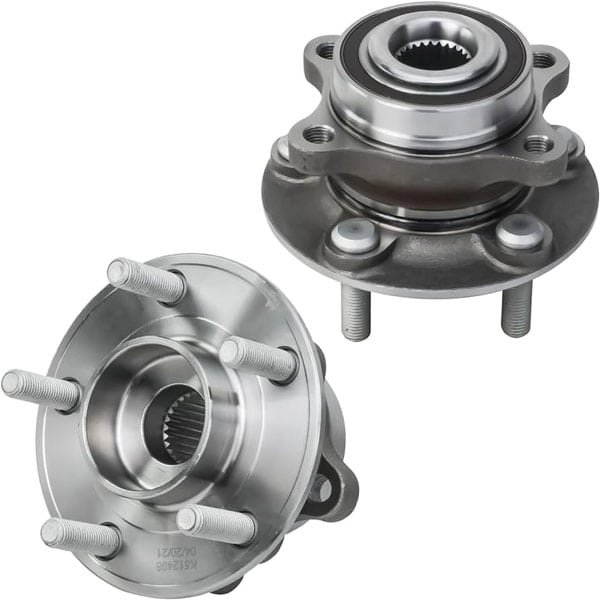
A wheel bearing is a crucial part of your car’s wheel assembly. It allows the wheel to spin smoothly with as little friction as possible. Think of it as a set of small steel balls held together in a metal ring, which helps your wheels rotate quietly and easily while you drive.
Without a properly functioning wheel bearing, your wheels wouldn’t turn as smoothly, leading to a rougher ride and potential damage to other parts of your car.
Key Features
- Designed to handle radial loads (forces acting perpendicular to the wheel’s axis).
- Capable of managing axial loads (forces acting parallel to the wheel’s axis).
- Low friction coefficient reduces resistance between moving parts.
- Utilizes rolling elements like balls or rollers to minimize friction and wear.
- Made from high-quality steel or ceramics to withstand extreme conditions and high temperatures.
- Often undergoes heat treatment processes to enhance hardness and durability.
- Modern bearings come as sealed units, pre-lubricated and protected from contaminants.
- Some include grease fittings for easy maintenance and lubrication.
- Manufactured to tight tolerances for precise fitment and smooth operation.
- High precision reduces vibration and noise, contributing to a quieter and more comfortable ride.
- Many bearings integrate Anti-lock Braking System (ABS) sensors, enhancing vehicle safety.
- Integrated mounting flanges simplify installation and ensure proper alignment with the wheel hub.
- Design allows for even distribution of the vehicle’s load, reducing stress on individual components and extending lifespan.
- Advanced materials and coatings, such as chromium and molybdenum, increase wear resistance.
- Protective coatings and materials resist corrosion, ensuring longer service life even in harsh environments.
- Available in various sizes and configurations to fit different types of vehicles, from passenger cars to heavy-duty trucks.
- Designed for high-speed capability, suitable for various driving conditions.
- Precision engineering and high-quality materials reduce vibrations, enhancing vehicle stability and driver comfort.
Wheel Bearing Type
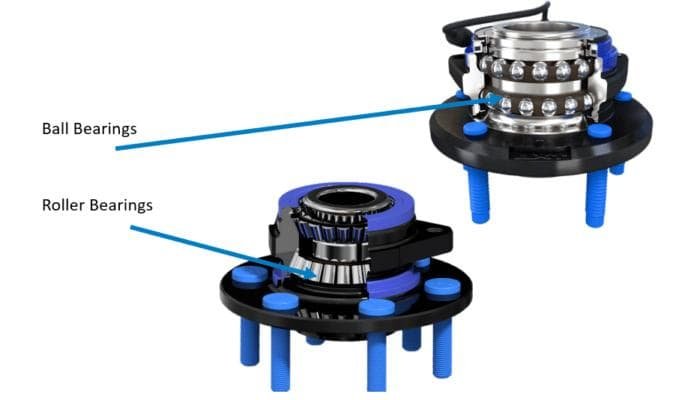
Wheel bearings are essential components that enable your car’s wheels to spin smoothly. There are two main types of wheel bearings: ball bearings and roller bearings. Let’s take a closer look at each type and understand their functions, advantages, and differences.
Ball Bearings
Ball bearings are the most common type of wheel bearing. They consist of small, spherical balls that sit between two smooth surfaces called races. These balls allow the bearing to spin with minimal friction.
What They Do
Ball bearings handle both radial (up and down) and axial (side-to-side) loads.
They are designed to support the weight of the vehicle and allow the wheel to rotate smoothly.
Advantages
- Versatile:They can handle both radial and axial loads, making them suitable for a wide range of applications.
- Low friction:The spherical shape of the balls allows for smooth rotation and reduces friction.
- Durability: They are highly durable and can last a long time with proper maintenance.
Roller Bearings
Roller bearings, as the name suggests, use cylindrical rollers instead of balls. These rollers sit between two races and allow the bearing to support heavy loads.
What They Do
Roller bearings are primarily designed to handle radial loads.
They provide a larger contact area between the rollers and the races, which distributes the load more evenly.
Advantages
- High load capacity: Roller bearings can support heavier loads than ball bearings due to their larger contact area.
- Stability: They provide greater stability and can withstand higher levels of stress.
- Longevity: Their design allows for even load distribution, which can extend the lifespan of the bearing.
Comparing Ball Bearings and Roller Bearings
Load Capacity
Ball Bearings: Handle both radial and axial loads but have a lower load capacity compared to roller bearings.
Roller Bearings: Mainly handle radial loads and have a higher load capacity.
Friction and Speed
Ball Bearings: Lower friction, which makes them suitable for high-speed applications.
Roller Bearings: Higher friction compared to ball bearings but more stable under heavy loads.
Applications
Ball Bearings: Used in a variety of applications, including wheels, electric motors, and household appliances.
Roller Bearings: Commonly used in heavy machinery, industrial equipment, and applications requiring high load-bearing capacity.
Understanding the differences between ball bearings and roller bearings can help you choose the right type for your specific needs. Whether you need smooth, high-speed rotation or the ability to support heavy loads, selecting the appropriate wheel bearing is crucial for optimal performance and longevity.
Wheel Bearing Generations
Wheel bearings have evolved significantly over the years, leading to the development of three distinct generations. Each generation offers improvements in design, functionality, and performance. Here’s a detailed look at each wheel bearing generation.
Wheel Bearing Generation 1
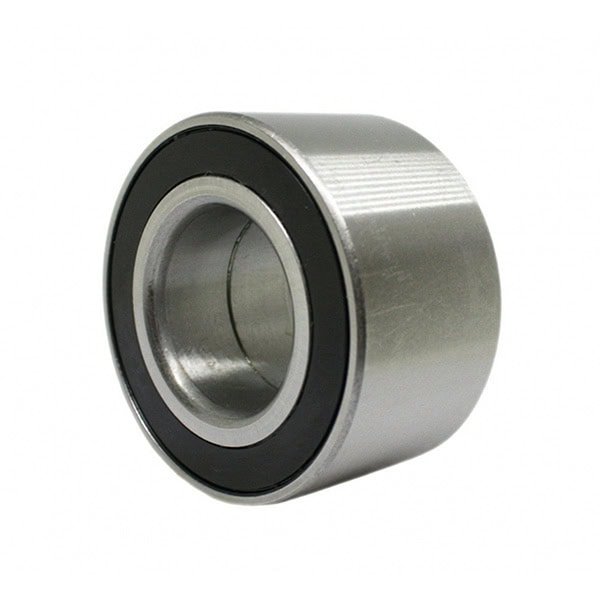
Generation 1 wheel bearings are the most basic and traditional type. They consist of two separate parts: the inner race and the outer race, with a set of rolling elements (either ball or roller bearings) between them. These bearings are pressed into the wheel hub and require a separate installation of seals.
Key Features
Separate inner and outer races.
Independent seals need to be installed separately.
Usually requires periodic maintenance, such as greasing.
Advantages
- Cost-effective:Due to their simple design, they are less expensive to manufacture.
- Versatile: Can be used in a variety of applications, including cars, trucks, and trailers.
Disadvantages
- Higher maintenance: Requires regular inspection and greasing.
- Installation complexity: Needs precise fitting and proper sealing.
Wheel Bearings Generation 2
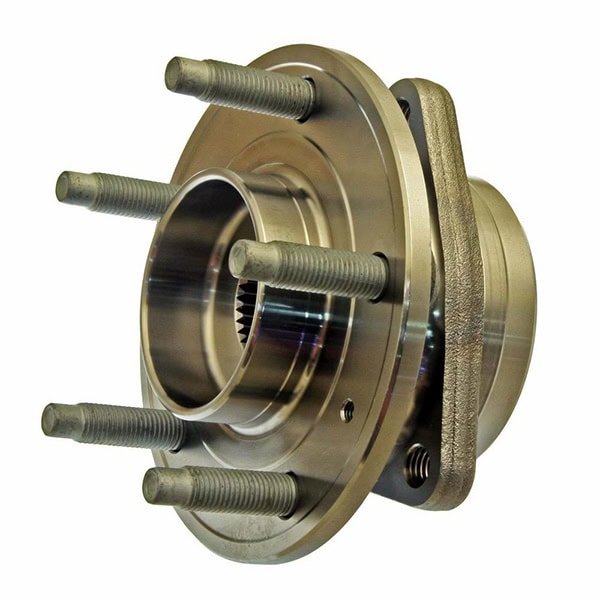
Generation 2 wheel bearings are an improvement over the first generation, incorporating an integrated design that combines the bearing and the mounting flange. This integration simplifies installation and enhances the bearing’s structural integrity.
Key Features
Integrated mounting flange: The flange is part of the bearing unit, allowing for easier installation.
Pre-sealed and pre-lubricated: Eliminates the need for separate seals and regular maintenance.
Usually features a snap ring or other locking mechanism to secure the bearing in the hub.
Advantages
- Simplified installation:The integrated design reduces installation time and effort.
- Maintenance-free:Pre-sealed and pre-lubricated, so they require no periodic maintenance.
- Improved reliability: The integrated design provides better structural integrity and durability.
Disadvantages
- Higher cost: More expensive than Generation 1 bearings due to the integrated design.
- Replacement complexity: If the bearing fails, the entire unit needs to be replaced, which can be more costly.
Wheel Bearing Generation 3

Generation 3 wheel bearings represent the most advanced design, featuring an integrated wheel hub and bearing assembly. This generation incorporates advanced technologies, such as integrated ABS sensors and improved sealing mechanisms, to enhance performance and safety.
Key Features
Complete hub assembly: The bearing, mounting flange, and hub are integrated into a single unit.
Integrated ABS sensors: Many Generation 3 bearings include built-in ABS sensors for better control and safety.
Enhanced sealing: Advanced sealing technologies protect the bearing from contaminants and extend its lifespan.
Advantages
- Simplified replacement: The all-in-one design makes replacement straightforward and efficient.
- Enhanced safety features: Integrated ABS sensors improve vehicle control and safety.
- Durability:Advanced sealing and materials enhance the bearing’s lifespan and reliability.
Disadvantages
- Highest cost: The most expensive of the three generations due to the advanced design and integrated components.
- Limited applications: Primarily used in modern vehicles, so not suitable for all types of vehicles.
Conclusion
Understanding the evolution of wheel bearings across the three generations is essential for anyone involved in the automotive industry. From the basic and cost-effective Generation 1 bearings to the advanced and integrated Generation 3 bearings, each type offers unique benefits and trade-offs. Knowing these differences can help you make informed decisions about maintenance, replacements, and upgrades, ultimately ensuring the safety, reliability, and performance of your vehicles.
By staying informed about the latest advancements in wheel bearing technology, you can enhance your product offerings, streamline your maintenance processes, and deliver superior performance to your customers.
If you have any questions or need assistance with wheel bearings, don’t hesitate to contact BYWB Bearing. Our team of experts is ready to help you with all your wheel bearing needs and ensure you have the best solutions for your specific requirements. Reach out to BYWB Bearing today for expert guidance and support.
