
A pinion bearing is a critical component inside an automotive differential. It supports the pinion gear shaft, maintains accurate gear alignment, and allows the drivetrain to transfer power smoothly from the driveshaft to the ring gear and wheels.
When a pinion bearing becomes worn or damaged, drivers may notice differential whining, humming, vibration, excessive play, or oil leakage around the pinion seal. If the problem is ignored, bearing damage can affect the pinion gear, ring gear, and other differential components.
For vehicle manufacturers, distributors, repair shops, and bearing buyers, understanding the function of a pinion bearing and recognizing early failure symptoms is essential for reliable drivetrain performance.
In this guide, BYWB Bearing explains what a pinion bearing does, how to identify bad pinion bearing symptoms, how pinion bearings differ from carrier bearings, and how to select the correct replacement bearing.
What Is a Pinion Bearing?
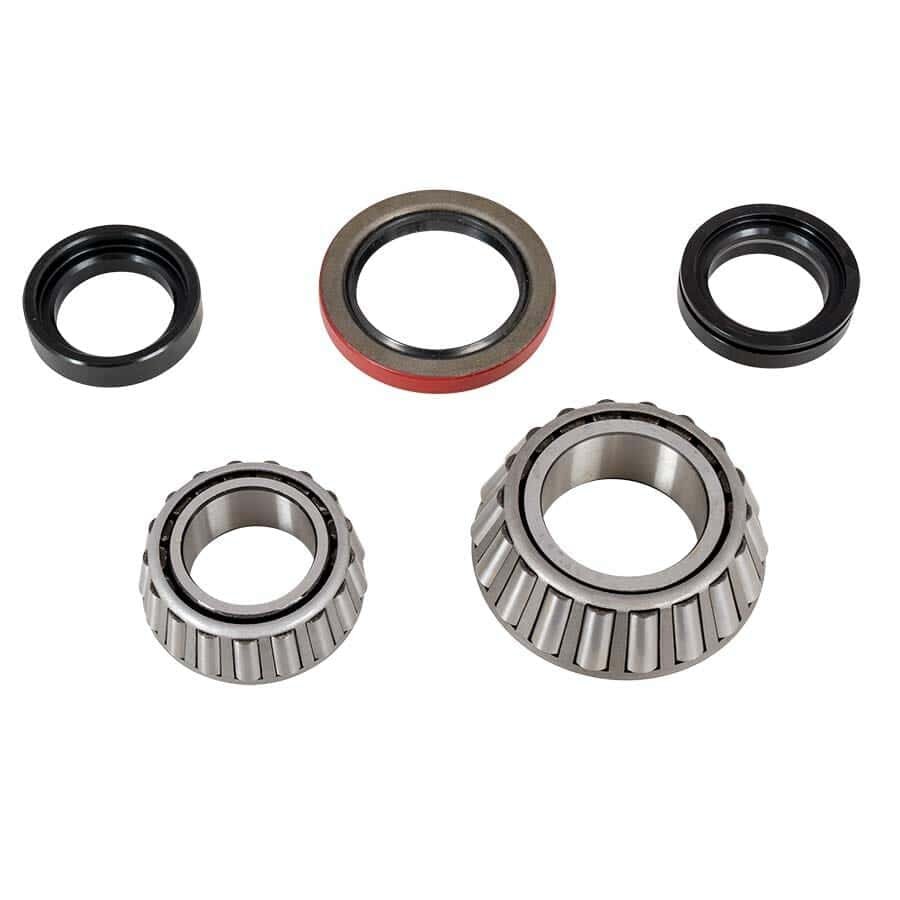
A pinion bearing is a bearing installed inside a vehicle’s differential or axle assembly to support the pinion gear shaft.
The pinion gear receives rotational power from the driveshaft. It then meshes with the ring gear and transfers torque to the differential assembly and ultimately to the vehicle wheels.
Because the pinion shaft rotates at relatively high speed and is subjected to both radial and axial forces, its supporting bearings must provide accurate positioning, low friction, and reliable load capacity.
Many automotive differentials use tapered roller bearings for the pinion because they can accommodate combined radial and axial loads. Depending on the differential design, there may be an inner and outer pinion bearing supporting different portions of the pinion shaft.
The bearing’s performance directly affects the gear mesh between the pinion and ring gear. Excessive bearing clearance or incorrect preload can allow the pinion shaft to move from its designed position, potentially causing abnormal gear noise and accelerated wear.
What Is the Function of a Pinion Bearing?
The main function of a pinion bearing is to support and accurately locate the pinion gear shaft while allowing it to rotate smoothly under load.
Several functions are especially important.
1. Supports the Pinion Shaft
The pinion bearing carries the loads generated when the pinion gear transmits torque to the ring gear.
Without proper bearing support, the pinion shaft could move excessively inside the differential housing.
2. Maintains Gear Alignment
The pinion and ring gear must maintain a precise relationship during operation. The bearing helps keep the pinion in the correct position relative to the ring gear.
Excessive bearing wear can change the gear contact pattern and contribute to gear noise and premature wear.
3. Handles Radial and Axial Loads
Pinion bearings can experience both radial forces and thrust forces generated by the gear mesh.
Tapered roller bearings are widely used in differential applications because their geometry allows them to handle combined loads.
4. Reduces Friction
A properly lubricated bearing allows the pinion shaft to rotate efficiently while minimizing friction between the rolling elements and raceways.
This helps reduce heat generation and energy losses.
5. Helps Maintain Pinion Preload
Pinion bearing preload is an important part of differential setup. During differential assembly, the bearing system must be adjusted according to the manufacturer’s specifications.
Incorrect preload can cause either excessive friction and heat or excessive movement and gear noise.
How to Identify Bad Pinion Bearing Symptoms and Solutions?
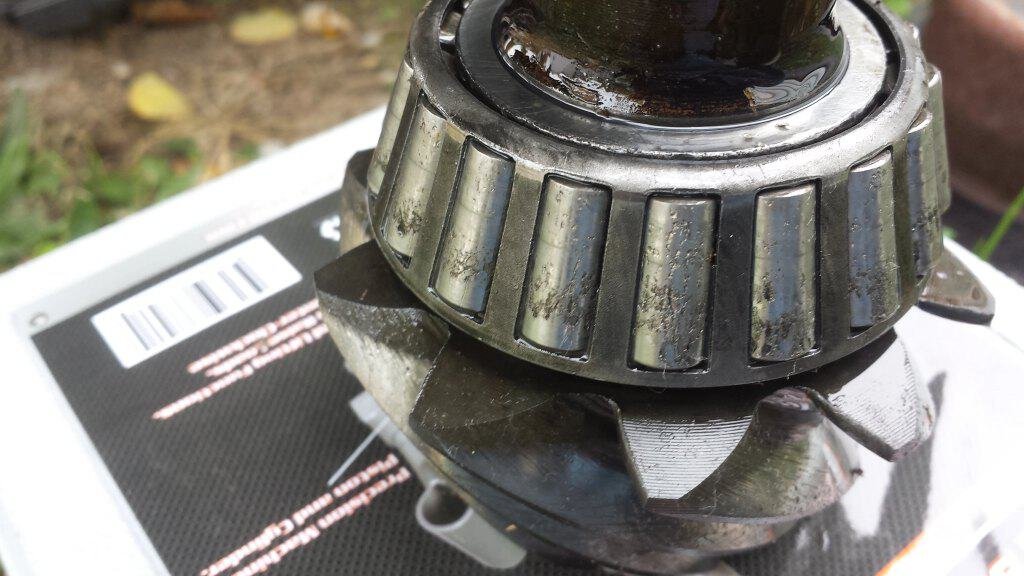
A failing pinion bearing does not always fail suddenly. In many cases, it produces warning signs before serious damage occurs.
The most common bad pinion bearing symptoms include unusual differential noise, vibration, excessive play, and lubricant leakage.
1. Whining or Howling Noise
One of the most recognizable symptoms of a potential pinion bearing problem is a whining or howling noise coming from the differential.
The sound may become more noticeable as vehicle speed increases.
However, differential noise can have multiple causes, including worn gears, incorrect backlash, bearing damage, lubrication problems, or improper gear setup. Therefore, noise alone should not be considered conclusive evidence of a failed pinion bearing.
A useful diagnostic clue is when the noise changes according to acceleration or deceleration.
A high-pitched whine during acceleration can point toward pinion-related problems, while a different noise pattern during coast or deceleration may indicate another bearing or gear condition. Professional diagnosis is recommended before replacing components.
2. Vibration
A worn pinion bearing may allow excessive movement of the pinion shaft.
This movement can contribute to drivetrain vibration, particularly under load or at certain operating speeds.
However, vibration can also originate from driveshaft imbalance, worn universal joints, wheels, tires, axle components, or differential gears. A complete drivetrain inspection is therefore necessary.
3. Excessive Pinion Shaft Play
Excessive radial or axial movement of the pinion shaft is another important warning sign.
During inspection, a technician may check for abnormal movement at the pinion flange or yoke.
If excessive play is detected, possible causes include worn pinion bearings, incorrect preload, damaged components, or other differential problems.
A manufacturer service manual should be followed when measuring pinion movement and bearing preload.
4. Differential Oil Leakage
Oil leakage around the pinion seal is another symptom that deserves attention.
A worn bearing can contribute to shaft movement, which may affect the sealing system. However, a leaking pinion seal does not automatically mean that the pinion bearing has failed.
The seal itself may simply be worn or damaged.
If a pinion seal is leaking, inspect the pinion bearing and shaft condition at the same time rather than replacing the seal without checking the underlying components.
5. Abnormal Gear Noise
Bearing deterioration can influence the relationship between the pinion and ring gear.
Damaged raceways, rollers, or excessive clearance may cause additional noise and may eventually contribute to abnormal gear contact.
Bearing damage can also contaminate differential lubricant with wear debris. For this reason, inspecting the lubricant during differential service can provide valuable information about internal component condition.
Common Causes of Pinion Bearing Failure
Several factors can shorten pinion bearing service life.
Poor Lubrication
Insufficient, contaminated, or incorrect differential lubricant can increase friction and operating temperature.
Excessive Load
Heavy towing, high torque, off-road use, and severe operating conditions can increase loads on the differential and pinion bearings.
Incorrect Bearing Preload
Incorrect preload is one of the most important concerns during differential rebuilding.
Too much preload can generate excessive friction and heat, while insufficient preload can allow unwanted movement.
Improper Installation
Bearing damage can occur if excessive force is applied to the wrong bearing component during installation.
Correct tools, fit, orientation, and installation procedures are essential.
Contaminated Lubricant
Metal particles, dirt, water, and other contaminants can damage rolling surfaces and accelerate wear.
Gear Misalignment
Incorrect gear setup can increase loads on the bearing and generate abnormal operating conditions.
How to Diagnose a Bad Pinion Bearing
A proper diagnosis should combine noise analysis, visual inspection, lubricant inspection, and mechanical measurements.
Step 1: Identify the Noise
Determine when the noise occurs:
During acceleration
During deceleration
At constant speed
During cornering
Under heavy load
At a particular vehicle speed
The operating condition can help narrow down the source.
Step 2: Inspect the Differential Lubricant
Drain the differential lubricant according to the vehicle manufacturer’s service procedure.
Check for unusual metal particles, discoloration, or contamination.
Metal debris can indicate internal wear and should not be ignored.
Step 3: Check for Excessive Play
Inspect the pinion flange or yoke for abnormal movement.
Any measurement should be compared with the vehicle manufacturer’s specifications rather than relying only on visual judgment.
Step 4: Inspect the Bearing
If the differential is disassembled, inspect the bearing rollers and raceways for:
Pitting
Spalling
Scoring
Discoloration
Surface damage
Excessive wear
Corrosion
A damaged bearing should be replaced rather than reused.
Differential: Pinion vs. Carrier Bearing
One of the most common questions is:
What is the difference between a pinion bearing and a carrier bearing?
Both are important differential bearings, but they support different components and experience different operating conditions.
| Feature | Pinion Bearing | Carrier Bearing |
| Location | Supports the pinion shaft | Supports the differential carrier/ring gear assembly |
| Main component supported | Pinion gear and shaft | Differential carrier and ring gear |
| Rotation speed | Generally higher | Generally lower |
| Load characteristics | Radial + axial/thrust loads | Radial and gear-related loads |
| Typical design | Often tapered roller bearing | Often tapered roller bearing |
| Common symptoms | Whine, howl, vibration, excessive play | Growling, rumbling, vibration, gear noise |
| Adjustment | Pinion preload and position | Carrier preload and ring gear backlash |
| Main purpose | Maintains pinion alignment | Supports ring gear and carrier assembly |
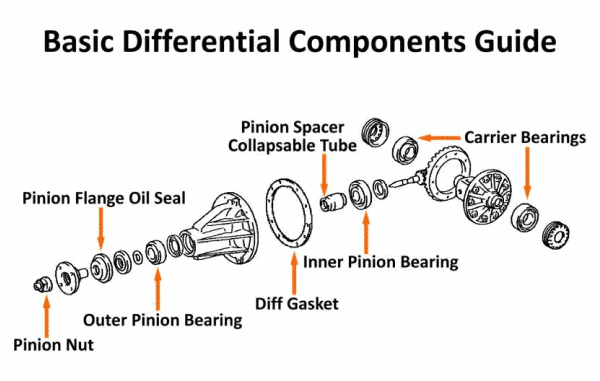
The pinion bearing supports the shaft that receives power from the driveshaft. Because the pinion rotates at relatively high speed, its bearing must maintain accurate positioning while handling gear-generated forces.
The carrier bearings, on the other hand, support the differential carrier and ring gear assembly. They are important for maintaining the position of the ring gear and controlling the relationship between the ring gear and pinion gear.
The two bearing systems work together. A problem in either system can potentially affect differential noise and gear contact.
Technical guides from bearing manufacturers similarly distinguish pinion bearings from carrier bearings based on location, speed, loading, and adjustment requirements.
Pinion Bearing Replacement: What Should You Consider?
Replacing a pinion bearing is more involved than replacing many common wheel or deep groove ball bearings.
A differential rebuild may require precise adjustment of:
Pinion bearing preload
Pinion depth
Ring gear backlash
Gear contact pattern
Bearing seating
Differential lubricant
For this reason, differential bearing replacement should normally follow the vehicle manufacturer’s repair procedure and use the specified measuring tools.
When selecting a replacement pinion bearing, buyers should verify:
- Original bearing number
- Vehicle make and model
- Differential or axle model
- Bearing dimensions
- Bearing type
- Load requirements
- Material and heat treatment
- Precision and manufacturing quality
- Sealing or lubrication requirements where applicable
- Required preload and installation specifications
For OEM replacement and aftermarket applications, matching the original bearing specification is usually more important than selecting a bearing based only on outside dimensions.
How to Extend Pinion Bearing Service Life
Proper maintenance can significantly reduce the risk of premature differential bearing failure.
Use the Correct Lubricant
Always use the differential oil specified by the vehicle manufacturer.
Incorrect lubricant can affect lubrication performance and gear/bearing protection.
Check for Oil Leaks
Regularly inspect the differential housing and pinion seal area for oil leakage.
Low lubricant levels can increase bearing and gear temperatures.
Avoid Overloading
Excessive towing and heavy loads can increase differential torque and bearing loads.
Inspect Noise Early
Do not ignore a new differential whine, rumble, or vibration.
Early diagnosis can prevent a bearing problem from developing into expensive gear or axle damage.
Use High-Quality Replacement Bearings
The pinion bearing operates under demanding conditions. A replacement bearing should have consistent dimensional accuracy, appropriate heat treatment, reliable material quality, and stable manufacturing performance.
Frequently Asked Questions About Pinion Bearings
What does a pinion bearing do?
A pinion bearing supports the pinion gear shaft inside the differential, allowing it to rotate smoothly while maintaining accurate alignment with the ring gear. It also handles the radial and axial forces generated during power transmission.
What does a bad pinion bearing sound like?
A failing pinion bearing may produce a whining, howling, humming, or growling sound. The exact noise depends on the failure condition and differential design. Noise should be diagnosed together with operating conditions and other symptoms.
Can you drive with a bad pinion bearing?
Driving with a suspected bad pinion bearing is not recommended for extended periods. Continued operation can increase wear and potentially damage the pinion, ring gear, differential housing, or other drivetrain components.
Is a pinion bearing the same as a carrier bearing?
No. A pinion bearing supports the pinion shaft, while carrier bearings support the differential carrier and ring gear assembly. Both are important, but they have different locations, load conditions, and adjustment requirements.
Are pinion bearings usually tapered roller bearings?
Many automotive differentials use tapered roller bearings for pinion support because they can accommodate combined radial and axial loads. However, the exact bearing design depends on the differential and vehicle application.
How do I choose the correct pinion bearing?
Start with the original bearing number or vehicle/differential application. Then verify dimensions, bearing type, load requirements, material, precision, and manufacturer specifications. For an aftermarket replacement, matching the original specification is essential.
Conclusion
The pinion bearing is a small but extremely important component of an automotive differential. It supports the pinion shaft, controls its position, reduces friction, and helps maintain the correct relationship between the pinion and ring gear.
Common bad pinion bearing symptoms include differential whining, humming or growling noises, vibration, excessive shaft play, and oil leakage around the pinion area. However, these symptoms can also be caused by worn gears, carrier bearings, driveshaft components, lubrication problems, or incorrect differential setup. Accurate diagnosis is therefore essential.
Understanding the difference between pinion vs. carrier bearing is particularly important when troubleshooting differential noise. The pinion bearing supports the high-speed pinion shaft, while carrier bearings support the differential carrier and ring gear assembly.
For replacement applications, bearing quality, dimensional accuracy, material, heat treatment, load capacity, and correct installation are all critical factors.
At BYWB Bearing, we focus on providing reliable bearing solutions for automotive, powersports, industrial, and other demanding applications. Whether you need standard bearings, customized bearing solutions, or help identifying a replacement bearing, choosing the correct specification is the first step toward long service life and reliable performance.
