
Bearings are the unsung heroes of your bicycle, ensuring smooth operation and efficiency across various components. From steering to pedaling, bearings play a pivotal role in your cycling experience. This comprehensive guide delves into the types, materials, maintenance, and advancements in bicycle bearings, with a spotlight on BYWB bearings—a brand synonymous with precision and durability.
Understanding Bicycle Bearings

Bearings are integral to the functionality of your bike, facilitating movement and reducing friction in components such as:
Headset – Enables smooth steering
Bottom Bracket – Allows the crankset to rotate freely
Hubs – Ensure the wheels spin effortlessly
Pedals – Provide smooth rotation underfoot
Derailleur Pulleys – Assist in precise gear shifting
Suspension Pivots – Facilitate movement in full-suspension bikes
Each of these components relies on specific bearing types tailored to their function and load requirements.
Types of Bicycle Bearings
1. Cup and Cone (Loose Ball) Bearings
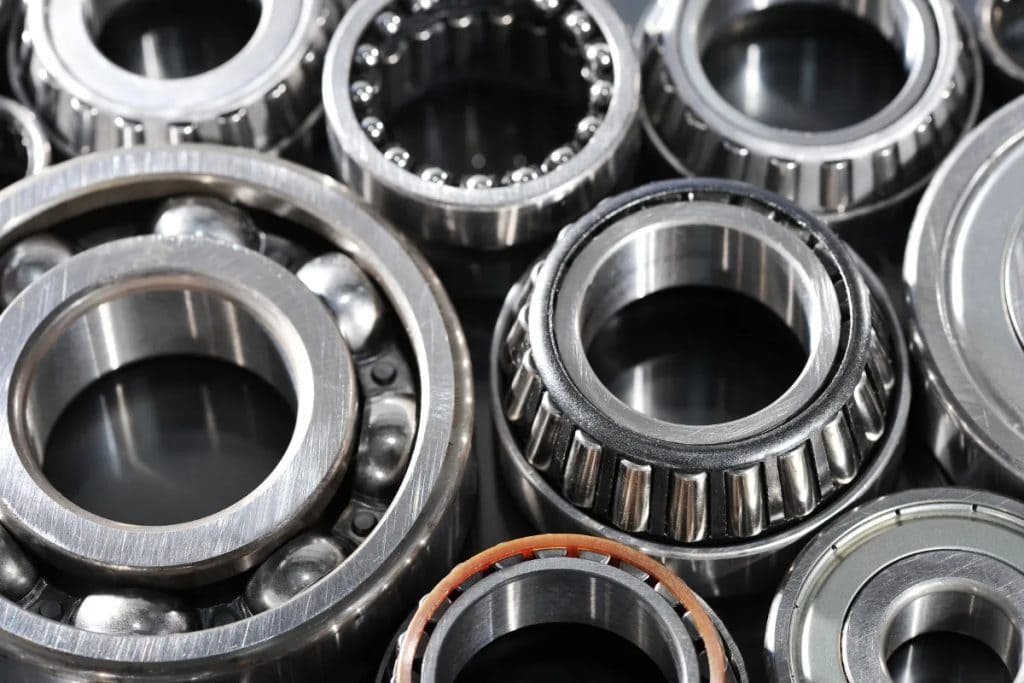
Traditional yet effective, cup and cone systems use loose ball bearings sandwiched between a cup and a cone. This setup is prevalent in entry-level bikes and is known for its serviceability. Brands like Shimano continue to utilize this design in their hubs and pedals.
Advantages:
Easy to service and adjust
Cost-effective
Disadvantages:
Requires regular maintenance
Susceptible to contamination if not properly sealed
2. Cartridge Bearings
Cartridge bearings are self-contained units comprising an inner and outer race, ball bearings, and seals. They are commonly found in modern bicycles due to their ease of replacement and consistent performance.
Advantages:
Sealed against contaminants
Easy to replace without intricate adjustments
Disadvantages:
Limited serviceability; often replaced rather than repaired
Quality varies across manufacturers
3. Needle Bearings
Needle bearings utilize cylindrical rollers instead of balls, providing a larger contact area. They are less common in bicycles but can be found in specific applications like pedals and suspension pivots.
Advantages:
Handle high radial loads effectively
Compact design
Disadvantages:
More complex installation
Less common, making replacements harder to source
4. Bushings
Bushings are simple sleeves that reduce friction between moving parts. They are typically used in low-load applications like derailleur pivots and some pedal designs.
Advantages:
Cost-effective
Low maintenance
Disadvantages:
Higher friction compared to ball bearings
Less suitable for high-speed applications
Materials Used in Bearings
Steel Bearings
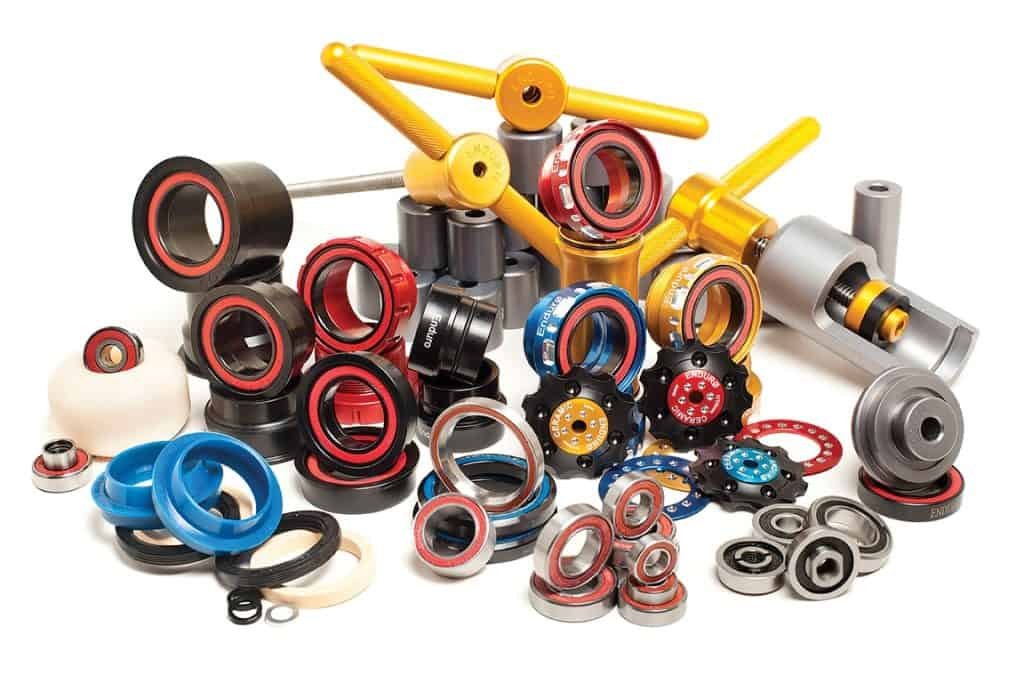
The most common material, steel bearings offer a balance between durability and cost. They are suitable for most cycling applications, providing reliable performance under various conditions.
Ceramic Bearings
Ceramic bearings, often made from silicon nitride, are lighter and harder than steel, resulting in reduced friction and potentially longer lifespan. However, they come at a higher cost and may require more meticulous maintenance.
Pros:
Lower rolling resistance
Corrosion-resistant
Cons:
Expensive
Can be brittle under heavy loads
Bearing Sizes and Standards
Bearings are identified by their dimensions: inner diameter (ID), outer diameter (OD), and width. For example, a 6802 bearing has a 15mm ID, 24mm OD, and 5mm width. Standardized sizing allows for easier replacement and compatibility across different components.
Sealing Mechanisms
Seals protect bearings from contaminants like water and dirt. Common sealing types include:
Single Seals – Basic protection, lower friction
Double Seals – Enhanced protection, slightly higher friction
Labyrinth Seals – Complex path design to prevent ingress, used in high-end applications
Proper sealing extends bearing life and maintains performance.
Maintenance and Replacement
Regular maintenance ensures longevity and optimal performance of your bearings. Signs that bearings may need attention include:
Unusual noises or grinding
Play or looseness in components
Resistance or roughness when rotating parts
Maintenance Tips:
Clean and lubricate bearings periodically
Use appropriate tools for removal and installation
Replace bearings that show signs of wear or damage
For cartridge bearings, replacement is often more practical than servicing, while cup and cone systems allow for more in-depth maintenance.
Introducing BYWB Bearings
BYWB Bearings stands at the forefront of bearing technology, offering a range of high-quality bearings tailored for cycling applications. Their products are designed with precision engineering, ensuring superior performance and durability.
Key Features of BYWB Bearings:
High-Quality Materials – Utilizing premium steel and ceramic materials for optimal performance
Advanced Sealing – Employing effective sealing mechanisms to protect against contaminants
Precision Engineering – Manufactured to exacting standards for smooth operation
Wide Range – Offering bearings for various components, including hubs, bottom brackets, headsets, and more
Whether you’re a professional cyclist or an enthusiast, BYWB Bearings provides reliable solutions to enhance your riding experience.
Bicycle hub bearings size chart
| No. | Bearing Code | Inner Diameter (mm) | Outer Diameter (mm) | Width (mm) | Application Notes |
| 1 | 6000-2RS | 10 | 26 | 8 | Front hubs, some pedal bearings |
| 2 | 6001-2RS | 12 | 28 | 8 | Front/rear hubs, general use |
| 3 | 6002-2RS | 15 | 32 | 9 | Rear hubs, some bottom brackets |
| 4 | 6900-2RS | 10 | 22 | 6 | Lightweight front hubs |
| 5 | 6901-2RS | 12 | 24 | 6 | Front/rear hubs |
| 6 | 6902-2RS | 15 | 28 | 7 | Rear hubs (higher load) |
| 7 | 6903-2RS | 17 | 30 | 7 | Rear hubs, some full-suspension pivots |
| 8 | 6802-2RS | 15 | 24 | 5 | Lightweight hubs (e.g. road) |
| 9 | 6803-2RS | 17 | 26 | 5 | Rear hubs, higher-speed applications |
| 10 | 15267-2RS | 15 | 26 | 7 | DT Swiss & other performance rear hubs |
| 11 | 17287-2RS | 17 | 28 | 7 | Boost rear hubs, some thru-axle designs |
| 12 | 6904-2RS | 20 | 37 | 9 | Heavy-duty MTB hubs |
Conclusion
Understanding the role and types of bearings in your bicycle is crucial for maintenance and performance optimization. From traditional cup and cone systems to modern cartridge bearings, each type has its place in the cycling world. Materials and sealing mechanisms further influence bearing performance and longevity.
BYWB Bearings offers a comprehensive range of high-quality bearings designed to meet the demands of various cycling disciplines. Investing in quality bearings like those from BYWB can lead to smoother rides, reduced maintenance, and enhanced overall performance.
