
Dirt bikes are built for rough terrain and high-impact riding, making their wheel bearings crucial for smooth and efficient performance. Over time, these bearings wear out due to mud, water, and general wear and tear. Replacing them on time ensures a safer and more enjoyable riding experience. In this guide, we’ll walk you through everything you need to know about dirt bike wheel bearings, how to identify worn-out bearings, and the step-by-step process to replace them.
What is a Dirt Bike Wheel Bearing?

A dirt bike wheel bearing is a small but essential component that allows the wheels to spin smoothly with minimal friction. Bearings are typically made of hardened steel and sit inside the wheel hub, allowing the axle to rotate freely. These bearings endure extreme conditions such as dirt, dust, water, and impacts from jumps and rough terrain. Without well-maintained bearings, your dirt bike’s handling, stability, and overall performance can be significantly affected.
Types of Dirt Bike Wheel Bearings
Sealed Bearings: These are pre-lubricated and come with protective seals to keep dirt and water out, reducing maintenance requirements.
Open Bearings: These require regular lubrication and cleaning, as they do not have seals to prevent dirt ingress.
Ceramic Bearings: These offer high durability and reduced friction, often used for competitive racing due to their superior performance.
How to Tell if Your Dirt Bike Wheel Bearings are Bad
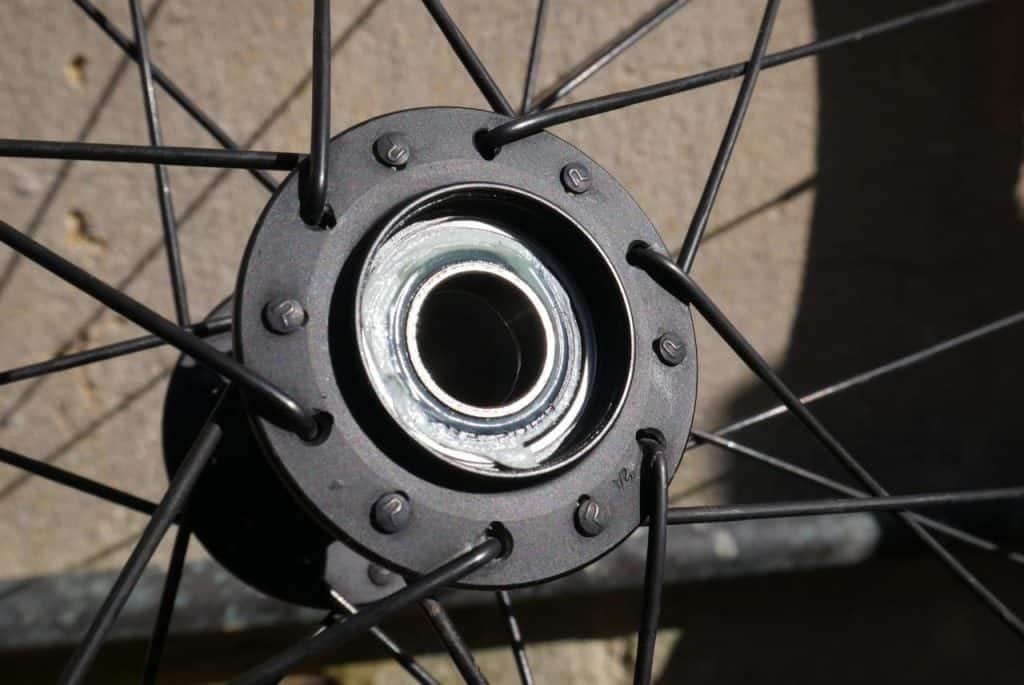
Recognizing the signs of a worn-out wheel bearing is crucial to prevent potential damage or accidents. Here are some common symptoms:
Wheel Wobbling: If your wheel moves side to side when lifted off the ground, the bearings may be worn out.
Grinding or Clicking Sounds: A noticeable grinding or clicking noise when spinning the wheel indicates bad bearings.
Resistance in Rotation: The wheel should spin freely when lifted; resistance or roughness suggests faulty bearings.
Uneven Tire Wear: Worn-out bearings can lead to improper wheel alignment, causing uneven tire wear.
Overheating Hub: If the wheel hub feels unusually hot after a ride, the bearings may be generating excessive friction.
How to Change Dirt Bike Wheel Bearings: A Step-by-Step Guide
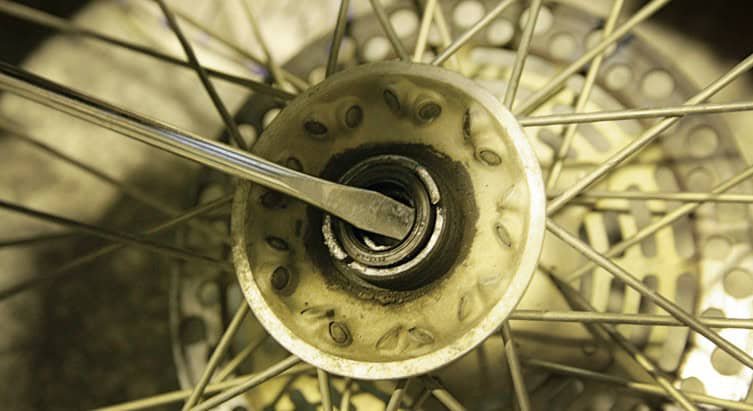
Replacing your dirt bike’s rear wheel bearings is a manageable task with the right tools and techniques. Follow these steps to get the job done efficiently:
Tools & Materials Needed:
New wheel bearings (refer to your bike’s specifications)
Bearing puller or punch
Hammer and drift punch
Wheel bearing grease
Circlip pliers (if applicable)
Rubber mallet
Torque wrench
Safety gloves and eye protection
Step 1: Remove the Wheel
Secure your dirt bike on a stand to elevate the rear wheel.
Loosen and remove the rear axle nut.
Slide the wheel off the swingarm and remove the chain if necessary.
Step 2: Extract the Old Bearings
Remove the dust seals carefully using a flat-head screwdriver.
Locate the wheel spacers and set them aside.
Using a punch and hammer, gently tap out the old bearings from one side until they pop out.
Repeat the process for the other side.
Step 3: Clean the Hub
Inspect the hub for dirt, debris, or damage.
Use a clean rag and solvent to remove any residual grease and dirt.
Check for any scoring or damage inside the hub before installing new bearings.
Step 4: Install the New Bearings
Lightly grease the outer surface of the new bearings.
Using a bearing driver or a socket that matches the bearing’s diameter, press the new bearing into the hub.
Gently tap it in with a mallet until it seats properly.
Repeat for the other side and reinstall any circlips or spacers removed earlier.
Step 5: Reassemble the Wheel
Reinstall the wheel spacers and dust seals.
Slide the wheel back into position, ensuring proper chain alignment.
Insert the axle and tighten the axle nut to the manufacturer’s recommended torque setting.
Spin the wheel to check for smooth movement and proper installation.
Step 6: Test Ride
Before heading out for an aggressive ride, take a short test ride to ensure the wheel rotates freely without any abnormal noise or resistance.
Dirt Bike Wheel Bearing Size Chart
Having the correct bearing size is crucial for replacement. Below is a general guide, but always check your dirt bike’s manual for the exact specifications:
Here is the visual representation of Dirt Bike Bearing size:
| BYWB Item# | All balls Reference | Position |
| 85-1092 | 25-1092 | Front |
| 85-1402 | 25-1402 | Front |
| 85-1482 | 25-1482 | Front |
| 85-1044 | 25-1044 | Front |
| 85-1081 | 25-1081 | Front |
| 85-1042 | 25-1042 | Front |
| 85-1035 | 25-1035 | Front |
| 85-1083 | 25-1083 | Front |
| 85-1079 | 25-1079 | Front |
| 85-1135 | 25-1135 | Front |
| 85-1027 | 25-1027 | Front |
| 85-1108 | 25-1108 | Front |
| 85-1444 | 25-1444 | Front |
| 85-1406 | 25-1406 | Front |
| 85-1181 | 25-1181 | Front |
| 85-1496 | 25-1496 | Front |
| 85-1628 | 25-1628 | Front |
| 85-1736 | 25-1736 | Front |
| 85-1165 | 25-1165 | Front |
| 85-1688 | 25-1688 | Front |
| 85-1403 | 25-1403 | Front |
| 85-1276 | 25-1276 | Front |
| 85-1085 | 25-1025 | Front |
| 85-1363 | 25-1363 | Front |
| 85-1572 | 25-1572 | Front |
| 85-1075 | 25-1075 | Front |
| 85-1497 | 25-1497 | Front |
| 85-1273 | 25-1273 | Front |
| 85-1005 | 25-1005 | Front |
| 85-1172 | 25-1172 | Front |
| 85-1424 | 25-1424 | Front |
| 85-1513 | 25-1513 | Front |
| 85-1076 | 25-1076 | Front |
| 85-1516 | 25-1516 | Front |
| 85-1317 | 25-1317 | Front |
| 85-1048 | 25-1048 | Front |
| 85-1052 | 25-1052 | Front |
| 85-1003 | 25-1003 | Front |
| 85-1632 | 25-1632 | Front |
| 85-1421 | 25-1421 | Front |
| 85-1539 | 25-1539 | Front |
| 85-1112 | 25-1112 | Front |
| 85-1500 | 25-1500 | Front |
| 85-1273 | 25-1273 | Rear |
| 85-1850 | 25-1250 | Rear |
| 85-1852 | 25-1252 | Rear |
| 85-1406 | 25-1406 | Rear |
| 85-1168 | 25-1168 | Rear |
| 85-1400 | 25-1400 | Rear |
| 85-1191 | 25-1191 | Rear |
| 85-1202 | 25-1202 | Rear |
| 85-1855 | 25-1255 | Rear |
| 85-1496 | 25-1496 | Rear |
| 85-1345 | 25-1345 | Rear |
| 85-1223 | 25-1223 | Rear |
| 85-1160 | 25-1160 | Rear |
| 85-1331 | 25-1331 | Rear |
| 85-1320 | 25-1320 | Rear |
| 85-1224 | 25-1224 | Rear |
| 85-1033 | 25-1033 | Rear |
| 85-1540 | 25-1540 | Rear |
| 85-1273 | 25-1273 | Rear |
| 85-1150 | 25-1150 | Rear |
| 85-1271 | 25-1271 | Rear |
| 85-1313 | 25-1313 | Rear |
| 85-1392 | 25-1392 | Rear |
| 85-1517 | 25-1517 | Rear |
| 85-1181 | 25-1181 | Rear |
| 85-1536 | 25-1536 | Rear |
| 85-1206 | 25-1206 | Rear |
| 85-1111 | 25-1111 | Rear |
| 85-1479 | 25-1479 | Rear |
| 85-1422 | 25-1422 | Rear |
| 85-1628 | 25-1628 | Rear |
| 85-1711 | 25-1711 | Rear |
| 85-1037 | 25-1037 | Rear |
| 85-1689 | 25-1689 | Rear |
| 85-1728 | 25-1728 | Rear |
| 85-1508 | 25-1508 | Rear |
| 85-1516 | 25-1516 | Rear |
| 85-1201 | 25-1201 | Rear |
For BYWB Bearings, check our product catalog for high-quality dirt bike wheel bearings that match your specifications.
Conclusion
Replacing rear wheel bearings on a dirt bike is an essential maintenance task that ensures smooth handling and longevity. By identifying worn-out bearings early and following the correct installation steps, you can prevent costly damage and ride with confidence. BYWB Bearings offers premium-quality, durable bearings designed to withstand the toughest riding conditions. Explore our range today to keep your dirt bike running at peak performance!
For more guides, maintenance tips, and premium dirt bike bearings, visit BYWB Bearings.
