
Wheel bearings are essential components of any vehicle, playing a crucial role in ensuring smooth and safe operation. Despite being small, these parts handle significant loads and are pivotal to your vehicle’s performance. This article delves into everything you need to know about wheel bearings, including their function, types, signs of failure, and replacement process.
What is a Wheel Bearing?
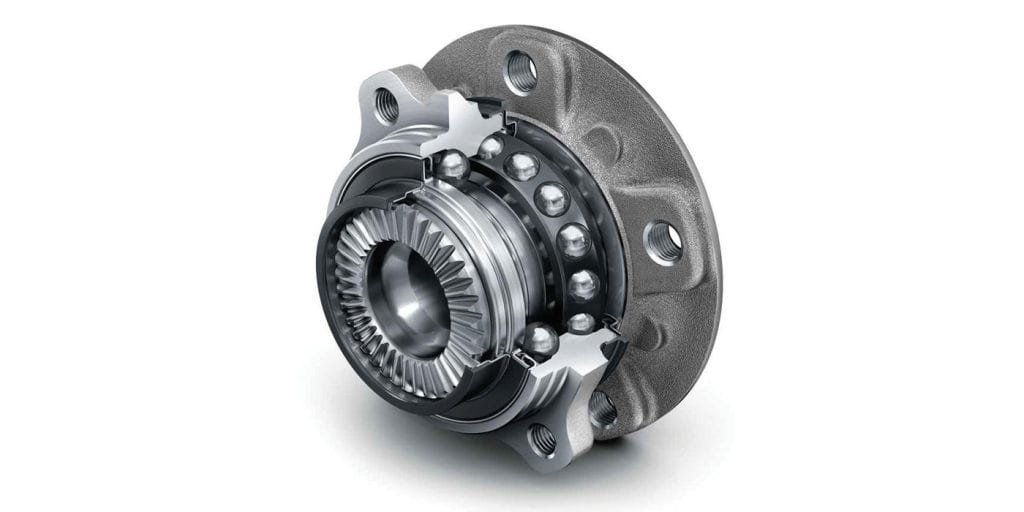
A wheel bearing is a set of steel balls or rollers held together by a metal ring, called a race. It fits inside the wheel hub and allows the wheel to rotate smoothly with minimal friction. Typically made from high-strength steel, wheel bearings are designed to endure the significant radial and axial loads exerted during driving.
Wheel bearings are sealed units in most modern vehicles, protecting the inner components from dirt, debris, and moisture. This sealing ensures durability and long-lasting performance under challenging driving conditions.
Types of Wheel Bearings
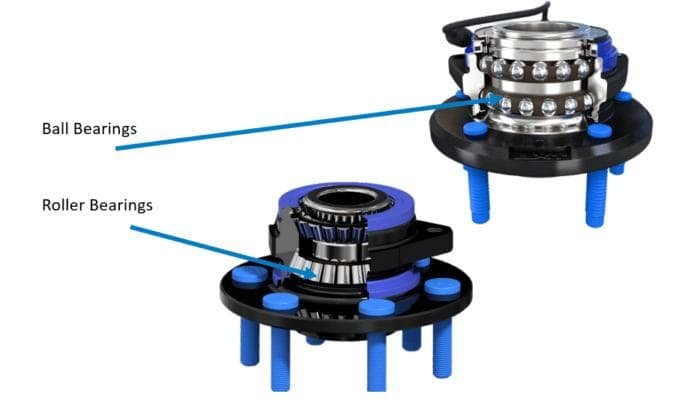
There are several types of wheel bearings, each suited for different applications. Here are the most common ones:
1. Ball Bearings
Ball bearings are the most common type of wheel bearings and are versatile, capable of handling both radial and thrust loads. Their spherical shape allows them to roll smoothly, making them suitable for cars, motorcycles, and trucks.
2. Roller Bearings
Roller bearings use cylindrical rollers instead of balls. They excel at handling heavy radial loads but are less effective with thrust loads. These bearings are typically found in larger vehicles like trucks.
3. Tapered Roller Bearings
These bearings feature a conical shape, which allows them to manage both radial and axial loads effectively. They are commonly used in truck and trailer applications due to their durability.
4. Wheel Hub kits
Modern vehicles often use hub units, which integrate the wheel bearing into a single assembly with the wheel hub. These units are pre-sealed and pre-greased, making them maintenance-free and easier to replace.
At BYWB Bearing, we specialize in manufacturing high-quality wheel bearings across all these categories, ensuring reliability and performance for a variety of vehicles.
What Do Wheel Bearings Do?
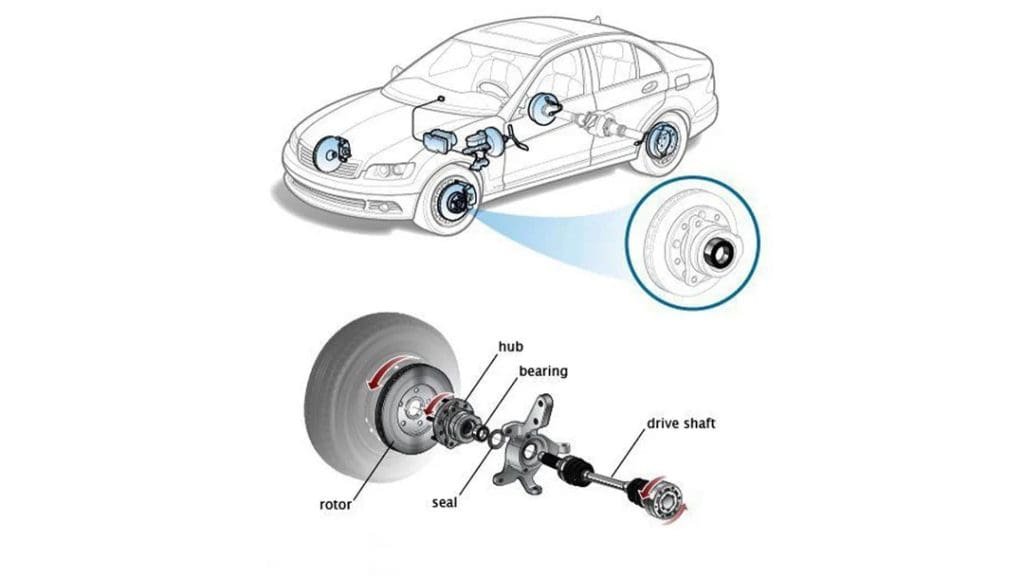
Wheel bearings play several critical roles in vehicle operation:
Facilitate Wheel Rotation: Wheel bearings enable the wheels to spin with minimal friction, ensuring smooth movement.
Support Vehicle Weight: They bear the vehicle’s weight and absorb impacts from the road, ensuring stability and safety.
Enhance Steering Performance: Properly functioning wheel bearings contribute to precise and responsive steering.
Reduce Heat and Friction: By minimizing friction, wheel bearings reduce heat generation, which prolongs the lifespan of the wheel and axle components.
BYWB Bearing is committed to providing durable and efficient wheel bearings that meet these critical performance criteria.
What Are Signs of Bad Wheel Bearings?
Wheel bearings can wear out over time, and recognizing the signs of failure is essential to avoid accidents and costly repairs. Here are some common symptoms:
1. Unusual Noises
A grinding, humming, or roaring sound coming from the wheels is often the first sign of a failing wheel bearing. The noise may increase with speed or when turning.
2. Vibration or Wobbling
A damaged wheel bearing can cause the wheel to wobble, leading to noticeable vibrations in the steering wheel or vehicle body.
3. Uneven Tire Wear
Faulty wheel bearings can lead to uneven tire wear due to improper wheel alignment or excessive play in the hub assembly.
4. ABS Warning Light
Some modern vehicles have sensors integrated with the wheel bearings. A failing bearing can trigger the ABS warning light on your dashboard.
5. Loose Steering
Worn-out wheel bearings can result in looseness or play in the steering, making the vehicle harder to control.
If you notice any of these symptoms, it’s crucial to address the issue promptly to ensure safety and prevent further damage. BYWB Bearing products are designed to minimize these risks with superior quality and durability.
How to Replace a Wheel Bearing
Replacing a wheel bearing requires specialized tools and mechanical expertise. Here’s a general overview of the process:
Tools and Equipment Needed:
Jack and jack stands
Lug wrench
Socket set and ratchet
Torque wrench
Bearing puller or press
Hammer and punch
New BYWB wheel bearing or hub assembly
Step-by-Step Process:
Prepare the Vehicle:
Park the vehicle on a level surface and engage the parking brake.
Loosen the lug nuts on the affected wheel but do not remove them yet.
Use a jack to lift the vehicle and secure it with jack stands.
Remove the Wheel and Brake Components:
Remove the lug nuts and take off the wheel.
Detach the brake caliper and rotor to access the hub assembly.
Remove the Hub Assembly:
Remove the axle nut using a socket wrench.
Use a bearing puller or press to extract the old bearing from the hub assembly.
Install the New Bearing:
Clean the hub assembly to remove any debris or old grease.
Press the new BYWB bearing into the hub using a bearing press or similar tool.
Reassemble the Components:
Reattach the hub assembly, rotor, and brake caliper.
Install the wheel and tighten the lug nuts.
Torque and Test:
Use a torque wrench to tighten all bolts to the manufacturer’s specifications.
Lower the vehicle and test drive to ensure proper installation.
Note: If you’re unsure about replacing a wheel bearing yourself, it’s best to seek professional assistance to avoid mistakes. BYWB Bearing’s customer service team is here to assist with any questions regarding installation.
Conclusion
Wheel bearings are integral to your vehicle’s performance and safety. Understanding their function, types, and warning signs can help you maintain your vehicle effectively. Regular inspections and prompt replacement of faulty bearings will prevent further damage and ensure a smooth, safe driving experience.
BYWB Bearing prides itself on delivering high-quality wheel bearings that meet the demands of modern vehicles. By choosing BYWB Bearing, you’re investing in reliability, performance, and peace of mind for your vehicle. Whether you’re a DIY enthusiast or prefer professional assistance, keeping your wheel bearings in optimal condition is essential for your vehicle’s longevity and your safety on the road. Trust BYWB Bearing for all your wheel bearing needs!
Frequently Asked Questions (FAQs)
1. Can I drive with a bad wheel bearing?
It’s highly discouraged to drive with a bad wheel bearing. A failing wheel bearing can compromise your vehicle’s safety, potentially causing the wheel to seize or detach. If you notice signs of a bad wheel bearing, address the issue immediately.
2. How much does it cost to replace a wheel bearing?
The cost of replacing a wheel bearing varies depending on the vehicle make and model, as well as labor costs in your area. On average, it can range from $150 to $500 per wheel, including parts and labor. BYWB Bearing offers affordable, high-quality replacement bearings to help keep costs manageable.
3. How long do wheel bearings last?
Wheel bearings typically last anywhere from 85,000 to 100,000 miles, depending on driving conditions and maintenance. Factors like rough terrain, heavy loads, and water exposure can shorten their lifespan. Regular inspections and using durable bearings like those from BYWB Bearing can extend their longevity.
4.Can I replace a wheel bearing myself?
You should be able to do this in your own garage. However, it will require some specialized tools. Make sure to reference your vehicle’s service manual or seek out online information and determine the kind of wheel bearing your car or truck is geared up with prior to starting the repair work.
5.How many wheel bearings does a car have?
Each wheel has its wheel bearings, front wheel bearing two kits, rear wheel bearing two kits, so the average car should have four sets total. It would be very hazardous to drive with old or worn wheel bearings, as it may cause your wheels to stop turning unexpectedly.
